


In today’s competitive global market, industrial operators are under constant pressure to optimize supply chains, control costs, and operate more sustainably. When a critical industrial bearing reaches the end of its initial service life, the traditional response has been to replace it with a new one. However, a more strategic and economically sound alternative is gaining significant traction: bearing reconditioning.
The Economics of Reconditioning: More Than Just Savings
- Reduced Downtime: The lead time for a new, large industrial bearing can range from six weeks to several months. In contrast, a professional reconditioning process typically takes just 7 to 10 days. For industries where downtime translates directly to lost revenue, this speed is invaluable.
- Inventory Optimization: Companies can establish a “circular inventory” model. As a new bearing is installed, the old one is sent for reconditioning and held as a ready-to-use spare. This strategy mitigates the risk of unexpected failures and the high costs associated with emergency procurement.
- Performance Upgrades: Reconditioning isn’t just about restoring a bearing to its original state. Expert engineers can often modify the design to improve performance, such as adjusting internal clearances, applying specialized coatings, or upgrading materials to better suit the application. This can solve recurring problems and enhance overall equipment reliability.
Understanding the Reconditioning Process
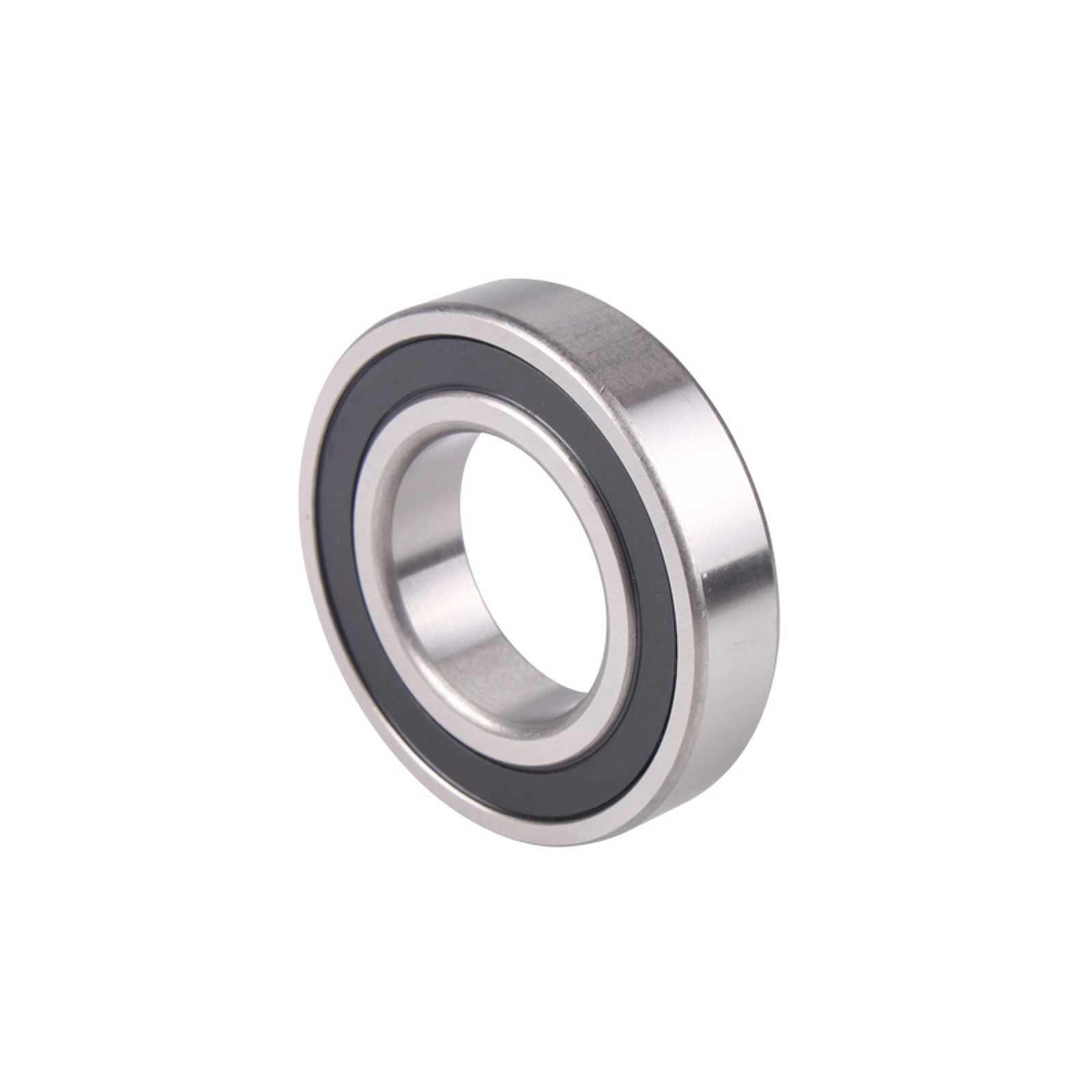
- Recertification: The bearing is cleaned, inspected, and its internal clearance is measured and verified. If it meets all original specifications, it is preserved and packaged for reuse.
- Repair: This level includes all steps of recertification, plus polishing, honing, or superfinishing to remove minor surface defects like rust or light scoring.
- Remanufacture: This is the most comprehensive level. It involves all previous steps, plus the regrinding of raceways, replacement of rolling elements (rollers or balls) with new ones, and a complete recalibration of internal geometry. The bearing is essentially rebuilt to its original specifications.
The Sustainability Imperative: A Powerful Economic Driver
Making the Right Choice: A Decision-Making Framework
| Factor | Reconditioning | Replacement (New) |
|---|---|---|
| Upfront Cost | 20% – 60% lower than new | Full retail price |
| Lead Time | Typically 7-10 days | 6 weeks to 3+ months |
| Environmental Impact | Significantly lower (e.g., >90% less CO2) | High (full manufacturing impact) |
| Warranty | Often matches new bearing warranty | Standard new product warranty |
| Potential for Upgrade | High (design modifications possible) | None (standard design) |
| Bearing Characteristic | Why Reconditioning is a Strong Option |
|---|---|
| High-Value / Large-Size | The absolute cost savings are most significant on expensive bearings. |
| Long Lead Time | Reconditioning offers a much faster turnaround, minimizing downtime. |
| Obsolescence | Ideal for older bearings where replacement parts are no longer manufactured. |
| Proven Quality | High-quality bearings from reputable manufacturers are excellent candidates for multiple lifecycles. |
In conclusion, reconditioning industrial bearings is not just a maintenance task; it is a strategic business decision. It offers a compelling combination of direct cost savings, operational efficiency, and environmental responsibility. For any industrial operator looking to enhance their bottom line while contributing to a more sustainable future, reconditioning is an economically viable and highly recommended path.
FAQ: Industrial Bearing Refurbishment
-
Q: How much can I save by reconditioning a bearing?
-
A: Typically, you can expect to save between 20% and 60% compared to the cost of a new bearing.
-
Q: Is the quality of a reconditioned bearing as good as new?
-
A: Yes. When performed by a reputable specialist, the remanufacturing process restores the bearing to its original performance specifications, often with a comparable warranty.
-
Q: How long does the reconditioning process take?
-
A: The process is significantly faster than manufacturing a new part, with a typical turnaround time of just 7 to 10 days.
-
Q: Can any type of bearing be reconditioned?
-
A: While most bearings can be reconditioned, it is most economically viable for high-value, large-size, or precision bearings.
-
Q: What is the environmental impact of reconditioning?
-
A: It is highly sustainable, reducing CO2 emissions by over 90% and saving more than 95% of the water required to manufacture a new bearing.
Post time: May-27-2026