


In the high-stakes arena of modern aerospace engineering, every gram of weight and every fraction of a millimeter of tolerance carries profound implications. As the industry pivots toward next-generation aircraft, including electric vertical take-off and landing (eVTOL) vehicles, urban air mobility, and hypersonic flight, the demands placed on foundational components have never been more extreme. At the heart of this mechanical evolution are advanced aerospace bearings. No longer just passive mechanical joints, these components are now highly engineered systems designed to defy gravity, withstand extreme environments, and guarantee the safety of passengers and crew.
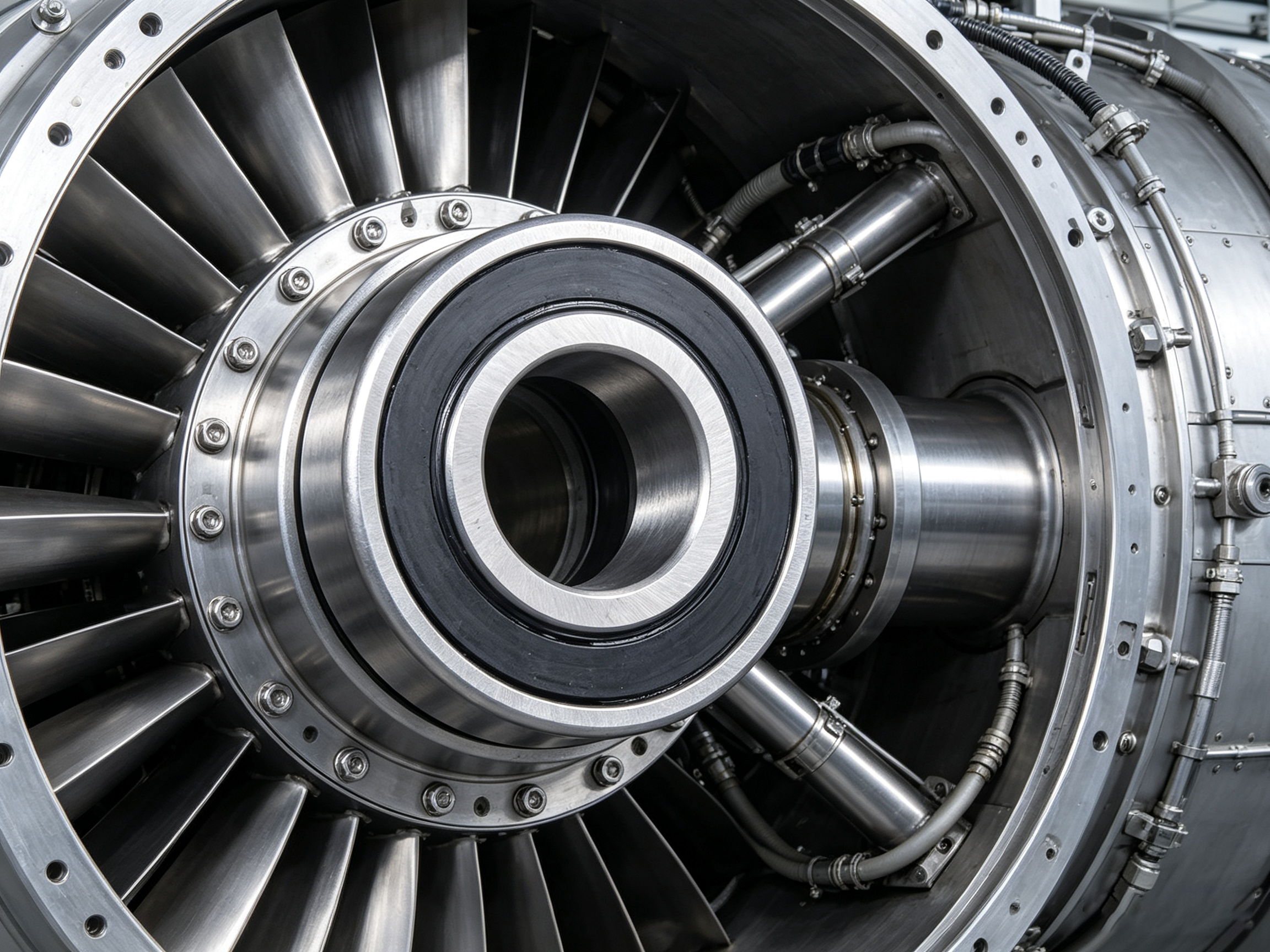
The Crucible of Flight: Engineering for Extreme Conditions
Aerospace bearings operate in one of the most punishing environments known to mechanical engineering. During takeoff and landing, they must manage extreme loads and high-speed rotations. In flight, they are subjected to drastic temperature fluctuations, corrosive atmospheres, and continuous vibration. The margin for error is virtually non-existent.
To meet these challenges, manufacturers are moving beyond traditional steel. Modern aerospace bearings rely on a synergy of advanced materials, specialized coatings, and smart design. For instance, hybrid ceramic bearings, utilizing silicon nitride (Si3N4) rolling elements and steel races, are becoming the industry standard for next-generation engines. These ceramics offer superior heat resistance, lower density, and reduced thermal expansion, allowing them to maintain precision at extreme temperatures where traditional metals would fail.
Furthermore, surface engineering plays a critical role. Advanced polymer coatings and solid lubricants, such as Molybdenum Disulfide (MoS2) or Diamond-Like Carbon (DLC), provide self-lubricating properties. This not only reduces friction and wear but also eliminates the need for heavy, complex external lubrication systems, directly contributing to aircraft weight reduction and fuel efficiency.
| Key Material/Technology | Primary Advantage | Aerospace Application |
|---|---|---|
| Silicon Nitride (Si3N4) Ceramics | High-temperature stability & low weight | Next-gen jet engines, eVTOL motors |
| M50 / Pyrowear® Alloys | Exceptional fatigue resistance & hardness | Landing gear, flight control actuators |
| DLC & PTFE Coatings | Reduced friction & self-lubrication | Wing flaps, cabin mechanisms, doors |
| Fiber-Reinforced Polymers | Extreme lightweight & corrosion resistance | Interior seating, overhead bins |
Safety Through Precision and Reliability
In aerospace, safety is not a feature; it is the baseline. The reliability of a bearing directly correlates to the overall safety of the aircraft. A bearing failure in a critical system—such as a flight control actuator or an engine turbine—can be catastrophic. Therefore, manufacturing tolerances are held to microscopic standards. For high-performance aero-engines, the roundness error of rolling elements must be kept under 1 micron, with surface roughness between 0.1 and 0.2 microns.
To ensure this level of quality, manufacturers employ rigorous Failure Mode and Effects Analysis (FMEA) and comprehensive lifecycle testing. This includes radial and axial load testing, extreme temperature cycling, and advanced non-destructive testing (NDT) like ultrasonic and eddy-current inspections. Regulatory compliance, such as AS9100 and FAA/EASA certifications, mandates strict traceability and zero-defect management, ensuring that every bearing can be tracked from raw material to final installation.
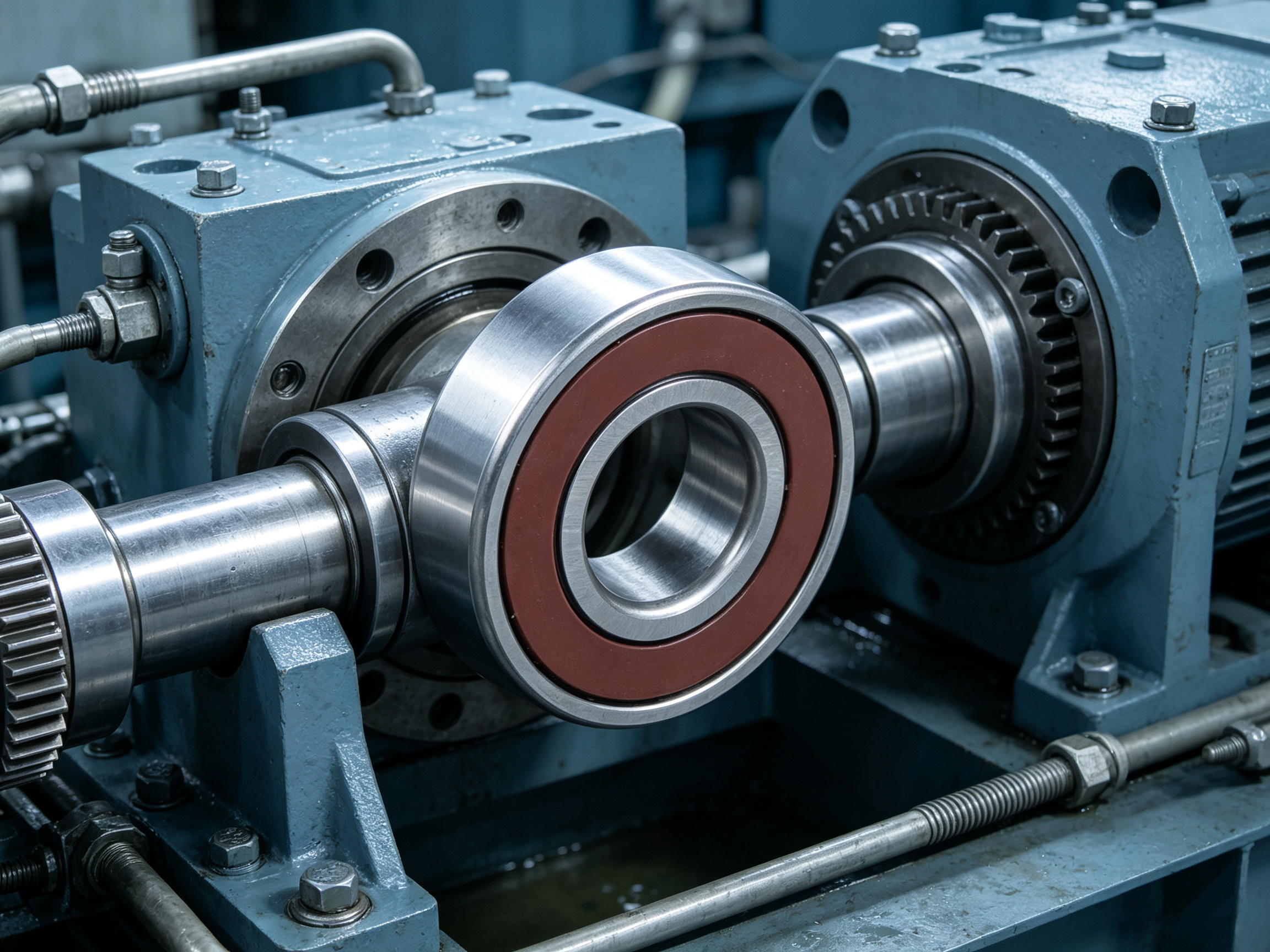
The Rise of Smart Bearings and Predictive Maintenance
The future of aerospace safety lies in data. Traditional maintenance schedules are being replaced by condition-based and predictive maintenance, driven by “smart bearings.” By integrating miniature sensors directly into the bearing housing, engineers can monitor real-time parameters such as temperature, vibration, and acoustic emissions.
This continuous stream of data allows AI-driven platforms to predict potential failures hundreds of flight hours before they occur. For example, if a bearing begins to show early signs of micro-spalling or lubrication degradation, maintenance crews can be alerted proactively. This shift not only enhances safety by preventing in-flight anomalies but also drastically reduces unscheduled downtime and operational costs for airlines.
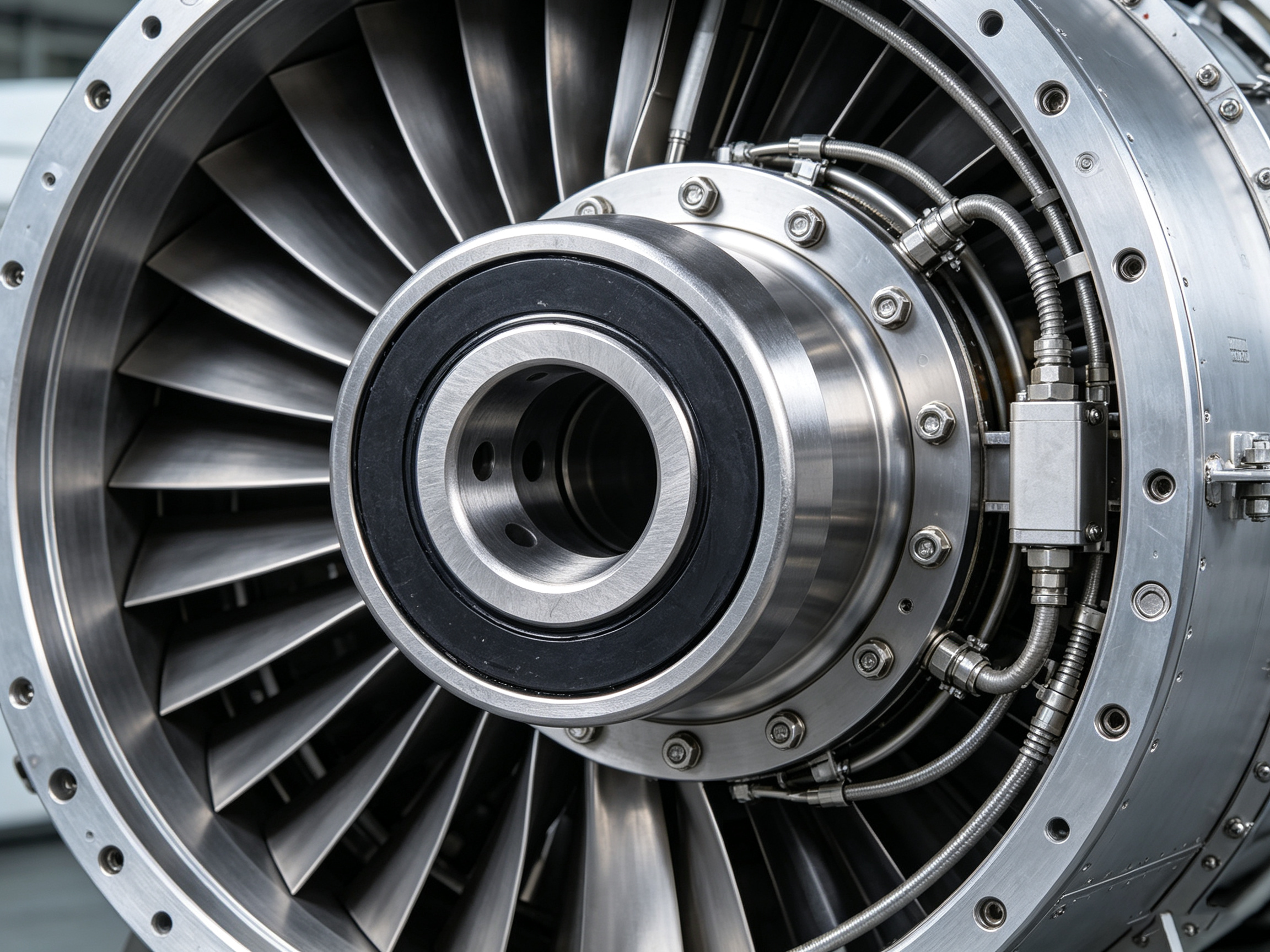
Sustainability and the Next-Gen Fleet
The aerospace industry’s push toward sustainability is also reshaping bearing technology. With global commercial fleets projected to grow by over 33% by 2033, reducing the carbon footprint of aviation is paramount. Advanced bearings contribute to this goal in multiple ways:
- Weight Reduction: Lighter bearings and polymer solutions reduce overall aircraft mass, directly lowering fuel consumption and emissions.
- Friction Reduction: Advanced solid lubricants and optimized geometries minimize mechanical resistance, improving the efficiency of electric propulsion systems in eVTOLs.
- Eco-Friendly Lubrication: The industry is transitioning away from PFAS-based lubricants toward bio-based and sustainable alternatives that maintain high performance without environmental harm.
| Next-Gen Trend | Safety & Operational Impact | Environmental Benefit |
|---|---|---|
| Integrated IoT Sensors | Enables predictive maintenance, preventing catastrophic failures | Optimizes maintenance cycles, reducing waste |
| Bio-based Lubricants | Maintains extreme-pressure safety without toxic chemicals | Eliminates hazardous PFAS from supply chains |
| Additive Manufacturing | Allows complex, optimized geometries for better load distribution | Reduces material waste and production energy |
| eVTOL-Specific Designs | Supports high-RPM electric motors with 30% less power loss | Enables zero-emission urban air mobility |
Conclusion: The Silent Guardians of the Skies
As aerospace engineering continues to defy gravity, advanced bearings remain the unsung heroes of the skies. They are the critical interfaces where immense mechanical forces meet the uncompromising demands of human safety. Through relentless innovation in materials science, precision manufacturing, and digital integration, the bearing industry is ensuring that the next generation of aircraft is not only lighter and more efficient but fundamentally safer.
For aerospace operators and OEMs, partnering with bearing manufacturers who demonstrate deep domain expertise, rigorous quality standards, and a commitment to sustainable innovation is no longer optional. It is a strategic imperative. As we look to the horizon of hypersonic travel and urban air mobility, one thing is certain: the safety of tomorrow’s flights will continue to rest on the microscopic precision of today’s advanced bearings.
Frequently Asked Questions (FAQ)
Q1: Why are advanced bearings critical for next-generation aerospace safety?
A: They are highly engineered to withstand extreme loads, high speeds, and drastic temperature fluctuations, ensuring zero-defect reliability in critical flight systems.
A: They are highly engineered to withstand extreme loads, high speeds, and drastic temperature fluctuations, ensuring zero-defect reliability in critical flight systems.
Q2: What materials are commonly used in modern aerospace bearings?
A: Silicon nitride (Si3N4) ceramics, high-performance alloys (like M50), and advanced polymer coatings are standard for their heat resistance, low weight, and self-lubricating properties.
A: Silicon nitride (Si3N4) ceramics, high-performance alloys (like M50), and advanced polymer coatings are standard for their heat resistance, low weight, and self-lubricating properties.
Q3: How do smart bearings improve flight safety?
A: By integrating miniature sensors, they provide real-time data on temperature and vibration, enabling predictive maintenance to prevent failures before they occur.
A: By integrating miniature sensors, they provide real-time data on temperature and vibration, enabling predictive maintenance to prevent failures before they occur.
Q4: Do advanced bearings contribute to sustainable aviation?
A: Yes. Their lightweight design and friction-reducing technologies directly lower fuel consumption, emissions, and the environmental impact of traditional lubricants.
A: Yes. Their lightweight design and friction-reducing technologies directly lower fuel consumption, emissions, and the environmental impact of traditional lubricants.
Q5: What manufacturing standards are required for aerospace bearings?
A: They must meet microscopic tolerances (under 1 micron) and strict regulatory certifications (like AS9100 and FAA/EASA), requiring rigorous testing and zero-defect traceability.
A: They must meet microscopic tolerances (under 1 micron) and strict regulatory certifications (like AS9100 and FAA/EASA), requiring rigorous testing and zero-defect traceability.
Post time: Jul-22-2026