


In the unforgiving environment of aerospace engineering, bearings are the unsung heroes that keep the world moving. From the scorching heat of rocket engines to the absolute zero of deep space, these critical components must operate flawlessly under conditions that would instantly destroy standard industrial bearings. As aerospace missions become more ambitious and commercial spaceflight accelerates, the demand for high-cycle life space bearings has surged. According to recent market data, this sector is projected to grow at a CAGR of 8.2%, reaching an estimated USD 3.68 billion by 2033.
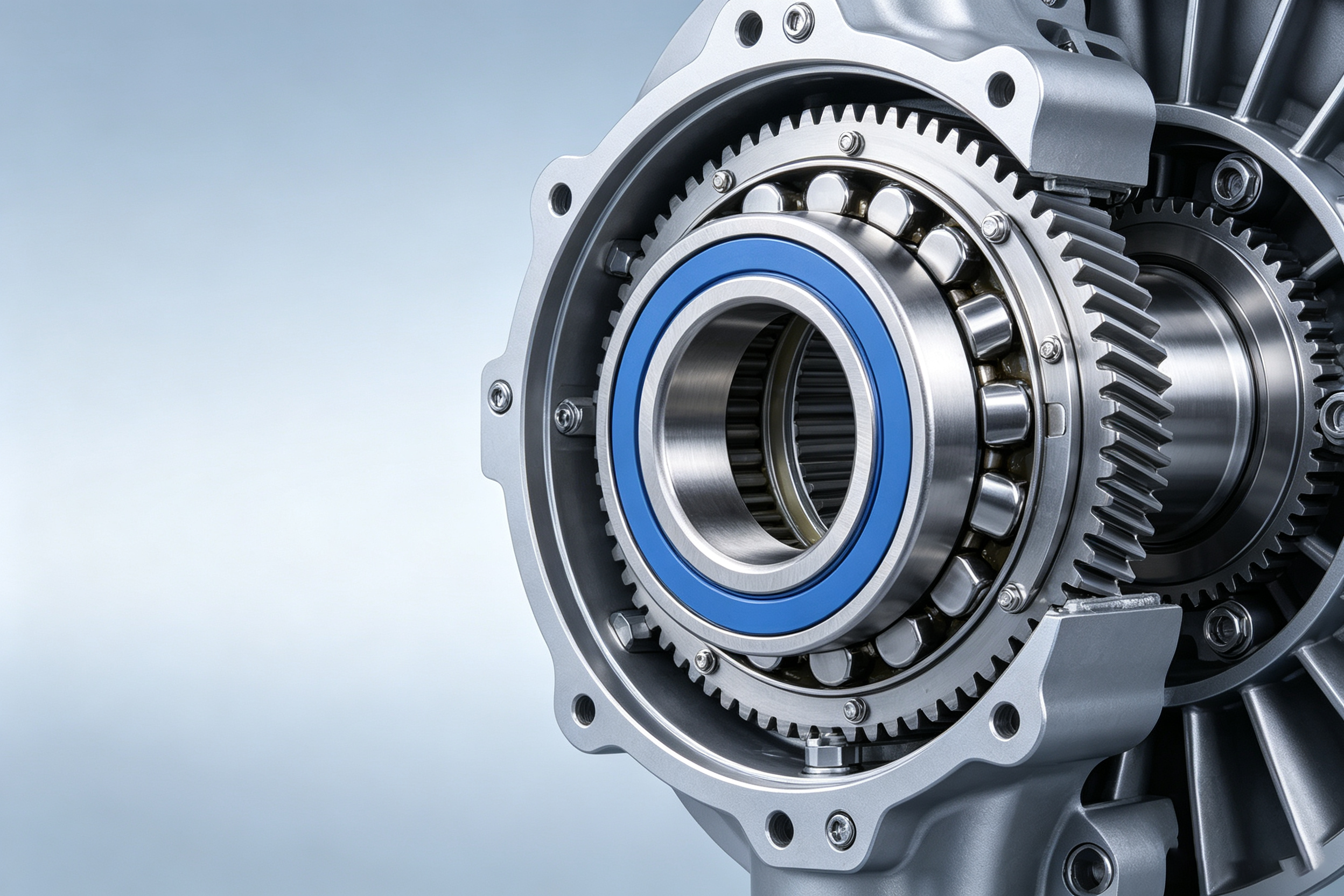
However, the base metals used in these bearings, even advanced alloys like M50 or stainless steel, have inherent limitations. This is where specialized surface coatings step in. Acting as a microscopic shield, these advanced coatings are the difference between mission success and catastrophic failure. This article explores the science, application, and future of specialized coatings for aerospace bearings, adhering to the highest standards of technical accuracy and industry expertise.
The Dual Challenge: Thermal Extremes and Vacuum
Aerospace bearings face a unique combination of thermal and mechanical stresses. In launch vehicles and jet engines, bearings are exposed to extreme heat, sometimes exceeding 1,100°C. Conversely, in deep space, they must function in a vacuum at cryogenic temperatures without outgassing or seizing.
Traditional liquid lubricants often fail in these extremes. They can evaporate in a vacuum, freeze in deep cold, or carbonize under intense heat. Therefore, modern aerospace bearings rely on advanced solid lubricants and protective barrier coatings. These coatings serve multiple purposes: reducing friction, preventing wear, resisting oxidation, and providing thermal insulation.
Key Coating Technologies for Aerospace Bearings
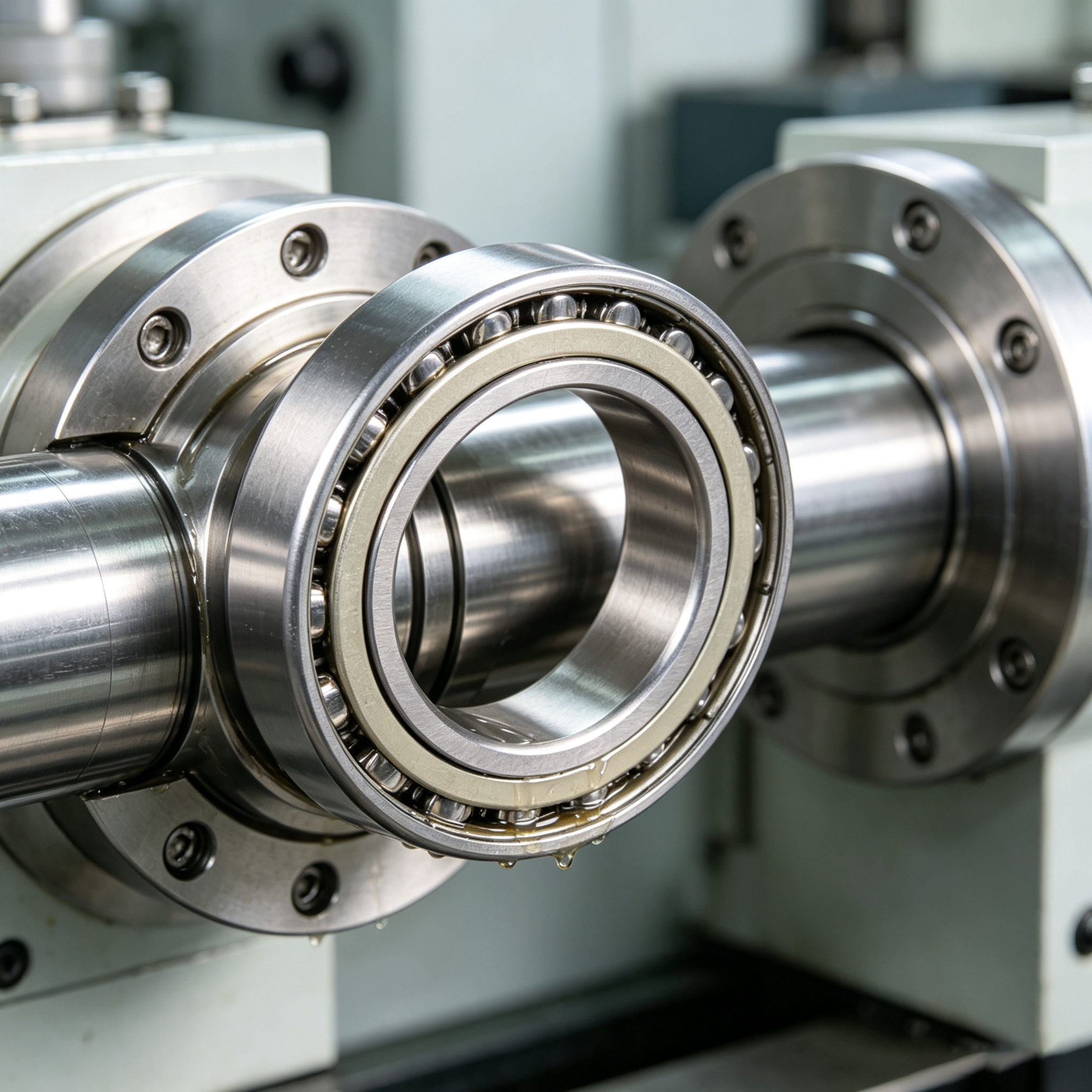
The selection of a coating is a precise engineering decision, balancing thermal tolerance, friction coefficients, and load-bearing capacity. Below is a breakdown of the most critical coating technologies currently shaping the aerospace bearing industry.
| Coating Type | Primary Function | Operational Temp Range | Key Aerospace Application |
|---|---|---|---|
| Solid Lubricants (MoS₂, WS₂) | Friction & Wear Reduction | -180°C to 350°C | Satellite reaction wheels, deployment mechanisms |
| Silver-PTFE Composites | High-Temp Lubrication | Up to 650°C | Foil gas bearings, high-speed turbomachinery |
| Thermal Barrier Coatings (TBCs) | Heat Insulation | Up to 1,300°C+ | Engine bearings, exhaust system components |
| Ceramic/Hybrid Coatings | Hardness & Corrosion | -200°C to 800°C | Deep space probes, reusable launch vehicles |
Solid Lubricants: Molybdenum Disulfide (MoS₂) and Tungsten Disulfide (WS₂) are the workhorses of space bearings. These lamellar solid lubricants provide low friction in high-vacuum environments where liquid oils cannot survive. Recent advancements in hybrid composite coatings, such as electroless NiP matrices embedded with MoS₂ and graphite, have shown superior friction and wear resistance at elevated temperatures up to 350°C, maintaining a low coefficient of friction (CoF) of 0.28.
High-Temperature Solid Lubricants: For applications exceeding 400°C, silver (Ag) and Group II fluorides are incorporated into plasma-sprayed chromium carbide or nickel aluminide matrices. These coatings are specifically designed for compliant foil gas bearings, providing reliable lubrication from room temperature up to 650°C during start/stop cycles. Furthermore, recent innovations in silver-PTFE composite coatings have significantly enhanced wear resistance, making them ideal for high-load, high-speed aerospace applications.
Thermal Barrier Coatings (TBCs): While primarily used on turbine blades, TBCs are increasingly relevant for bearings located near extreme heat sources. Utilizing materials like yttria-stabilized zirconia (YSZ) or novel zirconium-tantalum oxides (ZTO), these ceramic layers can withstand temperatures above 1,150°C. They act as an insulating blanket, keeping the underlying bearing steel within its operational limits even when ambient temperatures soar.
Material Synergy: Coatings and Base Metals
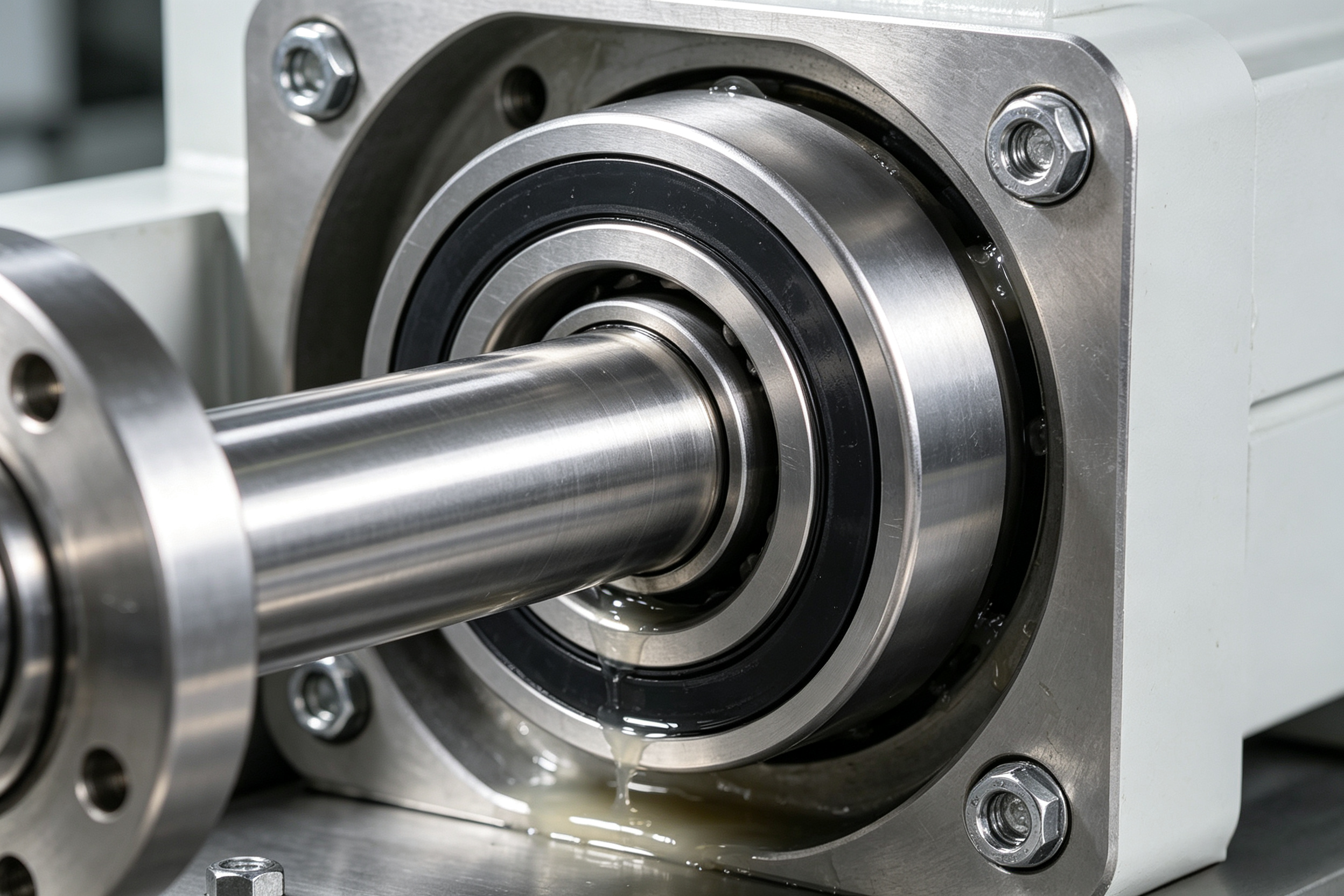
A coating is only as good as the substrate it protects. The synergy between advanced bearing materials and surface treatments is what defines next-generation performance. For instance, M50 alloy bearings treated with surface nitriding develop a thin, ultra-hard layer that resists surface distress and contamination. When combined with appropriate solid lubricant coatings, the operational life can be extended up to ten times compared to untreated bearings.
Additionally, the rise of ceramic bearings, particularly those using silicon nitride (Si₃N₄) rolling elements, has changed the coating landscape. Silicon nitride offers superior hardness, lower density, and excellent corrosion resistance. However, ceramic surfaces can be brittle. Specialized diamond-like carbon (DLC) or amorphous silicon nitride (a-Si₃N₄) based nanocomposite coatings are now being applied to enhance surface toughness and provide tunable thermal conductivity, ensuring the bearing can handle both thermal shock and mechanical impact.
Selecting the Right Coating: A Decision Matrix
Choosing the optimal coating requires a holistic view of the mission profile. Engineers must consider not just the peak temperature, but also the atmosphere, load, speed, and required lifespan. The following table provides a simplified decision matrix for coating selection based on primary environmental stressors.
| Environmental Stressor | Recommended Coating Strategy | Critical Consideration |
|---|---|---|
| High Vacuum & Cryogenic | MoS₂ or WS₂ Solid Film | Ensure low outgassing; verify cryogenic adhesion |
| Oxidizing Heat (>600°C) | Silver-Fluoride / NiAl Matrix | Monitor oxidation rate; ensure thermal expansion match |
| High Radial Load & Shock | DLC or Nitrided Surface | Focus on substrate hardness; avoid brittle ceramic topcoats |
| Corrosive/Chemical Exposure | PTFE-Silver Composite | Verify chemical compatibility; ensure seal integrity |
The Future of Aerospace Bearing Coatings
As the aerospace industry pushes toward reusable launch vehicles and mega-constellations, the requirements for bearings will only become more stringent. The future of specialized coatings lies in multifunctionality and smart materials.
Research is currently focused on self-healing coatings that can autonomously repair micro-cracks caused by thermal cycling. Additionally, additive manufacturing is opening new avenues for customizing bearing geometries and integrating coatings directly into the manufacturing process, reducing weight and improving thermal properties.
Furthermore, the integration of advanced simulation tools allows engineers to predict coating failure before a physical prototype is ever built. Finite element analysis can model interface stresses, thermal gradients, and tribological wear, ensuring that the chosen coating will survive the mission’s entire lifecycle.
Conclusion
From the fiery ascent of a rocket to the silent orbit of a satellite, aerospace bearings operate at the very edge of material science. Specialized coatings are not merely an add-on; they are a fundamental component of aerospace bearing design. By understanding the complex interplay between solid lubricants, thermal barriers, and advanced substrates, engineers can ensure the reliability and longevity required for the next generation of space exploration.
As market demands grow and missions become more complex, the continued innovation in extreme heat to deep cold coatings will remain the cornerstone of aerospace engineering excellence. Whether you are designing for a deep space probe or a high-performance jet engine, selecting the right specialized coating is the first step toward guaranteed mission success.
Frequently Asked Questions (FAQ)
Q1: Why are standard liquid lubricants not used in aerospace bearings?
A: Liquid lubricants often fail in space environments because they can evaporate in a vacuum, freeze at cryogenic temperatures, or carbonize under extreme heat. Solid lubricants are preferred for their stability.
A: Liquid lubricants often fail in space environments because they can evaporate in a vacuum, freeze at cryogenic temperatures, or carbonize under extreme heat. Solid lubricants are preferred for their stability.
Q2: What is the most common solid lubricant for space applications?
A: Molybdenum Disulfide (MoS₂) is widely used because it provides excellent low-friction properties and reliable performance in high-vacuum environments.
A: Molybdenum Disulfide (MoS₂) is widely used because it provides excellent low-friction properties and reliable performance in high-vacuum environments.
Q3: How do Thermal Barrier Coatings (TBCs) protect bearings?
A: TBCs act as an insulating layer that shields the underlying bearing steel from extreme heat, keeping the component within its safe operational temperature limits.
A: TBCs act as an insulating layer that shields the underlying bearing steel from extreme heat, keeping the component within its safe operational temperature limits.
Q4: Can specialized coatings survive both extreme heat and deep cold?
A: Yes. Modern aerospace coatings are engineered to withstand severe thermal cycling, maintaining their structural integrity and lubrication properties from cryogenic temperatures to over 1,000°C.
A: Yes. Modern aerospace coatings are engineered to withstand severe thermal cycling, maintaining their structural integrity and lubrication properties from cryogenic temperatures to over 1,000°C.
Q5: Do these coatings add significant weight to the bearing?
A: No. These specialized coatings are applied as micro-thin films. They provide maximum protection while adding negligible weight, which is critical for aerospace applications.
A: No. These specialized coatings are applied as micro-thin films. They provide maximum protection while adding negligible weight, which is critical for aerospace applications.
Post time: Jul-24-2026