


In the world of industrial maintenance, bearing failure is one of the most costly and disruptive challenges a facility can face. While many factors contribute to bearing health, one of the most preventable—and yet most common—causes of premature failure is the inadvertent mixing of incompatible lubricants.
As a leading bearing manufacturer, we often see maintenance teams attempt to switch grease types without fully flushing the old lubricant. A frequent and highly risky scenario is the mixing of traditional Lithium-based greases with Polyurea-thickened greases. This guide will explore the chemical and mechanical risks behind this incompatibility, helping you protect your machinery and optimize your maintenance strategy.
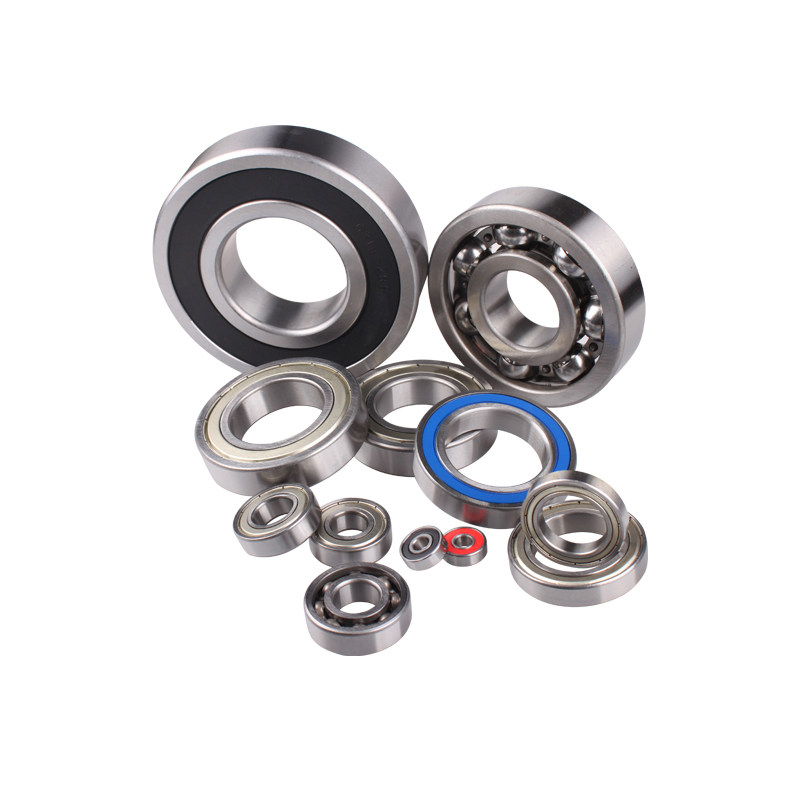
Understanding the Chemistry: Why Thickeners Matter
To understand why mixing greases is dangerous, we must first look at what grease actually is. Grease is essentially a sponge (the thickener) soaked in oil (the base oil). The thickener holds the oil in place and releases it under mechanical stress.
- Lithium Thickeners: These are soap-based thickeners (typically lithium 12-hydroxystearate). They are the industry standard for general-purpose applications due to their versatility and mechanical stability.
- Polyurea Thickeners: These are non-soap thickeners formed by the reaction of an amine with an isocyanate. They are favored for high-temperature and “lifetime lubrication” applications, such as electric motors, because they lack metallic ash and offer excellent oxidation stability.
When you mix these two distinct chemical structures, you aren’t just blending two fluids; you are disrupting the microscopic fibrous network that gives the grease its consistency.
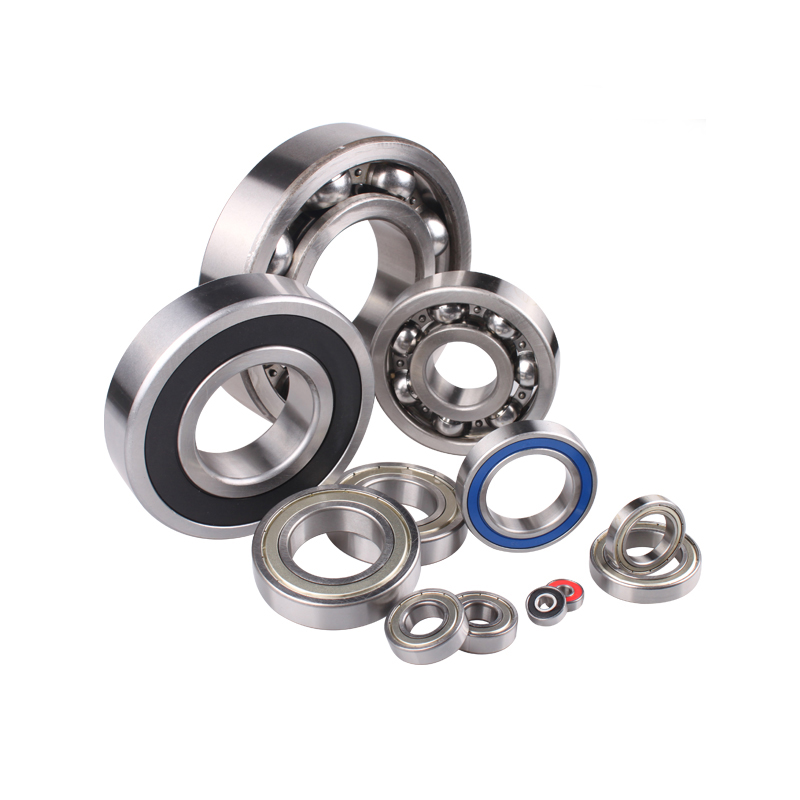
The Risks of Incompatibility: Softening and Leakage
The primary risk of mixing Lithium and Polyurea greases is a drastic change in consistency, specifically softening.
When incompatible thickeners are mixed, the chemical interaction can break down the fibrous structure of the grease matrix. This often results in the mixture becoming significantly softer than either of the original greases. In severe cases, the grease can turn into a fluid that simply leaks out of the bearing housing.
The consequences of this softening include:
- Loss of Lubrication: As the grease liquefies and leaks out, the bearing is starved of oil, leading to metal-to-metal contact.
- Contamination: The leaked grease can attract dust and debris, creating an abrasive paste that accelerates wear.
- Thermal Runaway: Without a proper lubricating film, friction increases, generating excessive heat that can seize the bearing.
While some specialized Polyurea greases (like certain double-urea formulations) have been tested for compatibility with Lithium, general Polyurea greases are widely considered incompatible or “requires testing” when mixed with Lithium. Assuming compatibility without verification is a gamble with your equipment’s lifespan.
Visualizing Compatibility: The Risk Matrix
To help you assess the risks quickly, we have compiled a compatibility matrix based on general industry standards (including data referenced from SKF and tribology studies).
Table 1: General Thickener Compatibility Matrix
| Thickener Type | Lithium (Li) | Lithium Complex (LiC) | Polyurea (PU) | Calcium Sulfonate | Clay / Bentonite |
|---|---|---|---|---|---|
| Lithium (Li) | ✅ Compatible | ✅ Compatible | ⚠️ Test / Risk | ⚠️ Test / Risk | ⚠️ Test / Risk |
| Lithium Complex (LiC) | ✅ Compatible | ✅ Compatible | ⚠️ Test / Risk | ✅ Compatible | ❌ Incompatible |
| Polyurea (PU) | ⚠️ Test / Risk | ⚠️ Test / Risk | ✅ Compatible | ✅ Compatible | ⚠️ Test / Risk |
| Calcium Sulfonate | ⚠️ Test / Risk | ✅ Compatible | ✅ Compatible | ✅ Compatible | ❌ Incompatible |
| Clay / Bentonite | ⚠️ Test / Risk | ❌ Incompatible | ⚠️ Test / Risk | ❌ Incompatible | ✅ Compatible |
- ✅ Compatible: Generally safe to mix (though flushing is always best practice).
- ⚠️ Test / Risk: Often incompatible; mixing can lead to softening or hardening. Proceed with extreme caution.
- ❌ Incompatible: Do not mix. Severe structural breakdown is likely.
As shown in Table 1, the intersection of Lithium and Polyurea sits in the “Test / Risk” category. This uncertainty alone should be enough to warrant a full cleaning procedure before switching.
Lithium vs. Polyurea: Choosing the Right Grease
Often, the desire to mix greases stems from a transition period where a facility is upgrading from standard Lithium greases to high-performance Polyurea greases for electric motors or high-heat applications. Understanding the distinct advantages of each can help you plan a proper transition.
Table 2: Performance Comparison
| Feature | Lithium / Lithium Complex | Polyurea |
|---|---|---|
| Thickener Type | Metallic Soap | Non-Soap (Organic) |
| Temperature Range | Good (up to ~130°C – 180°C) | Excellent (up to ~180°C+) |
| Oxidation Stability | Good | Excellent (Longer life) |
| Mechanical Stability | Very Good | Good to Excellent |
| Typical Applications | General industrial, automotive, heavy load | Electric motors, sealed-for-life bearings, fans |
Best Practices for Changing Greases
If your application requires switching from a Lithium-based grease to a Polyurea-based grease (or vice versa), you must follow a strict protocol to ensure bearing reliability.
- Clean Thoroughly: Whenever possible, completely disassemble and clean the bearing and housing to remove all traces of the old grease. This is the only way to guarantee 100% compatibility.
- Purge Carefully: If disassembly isn’t possible, pump the new grease into the bearing while it is running (if safe to do so). The pressure will help force the old grease out through the relief paths.
- Monitor Closely: During the transition, monitor the bearing temperature and vibration closely. If you notice a spike in temperature, it could indicate incompatibility or over-greasing.
- Shorten Relubrication Intervals: During the transition phase, the mixture inside the bearing is unstable. Increase the frequency of relubrication temporarily to flush out the remaining old grease faster.
Conclusion
Lubrication is the lifeblood of your machinery. While Lithium and Polyurea greases are both excellent lubricants in their own right, they are chemically distinct and generally do not play well together. The risk of structural breakdown, softening, and subsequent bearing failure is simply too high to ignore.
Always consult the grease manufacturer’s technical data sheets before mixing any lubricants. When in doubt, clean it out. By respecting the chemistry of your lubricants, you ensure the longevity and efficiency of your bearings.
Frequently Asked Questions (FAQ)
Can I mix lithium and polyurea grease if they are from the same brand?
Not necessarily. Compatibility depends on the chemical thickener type, not the brand. Unless the technical data sheet explicitly states they are compatible, you should assume they are not and avoid mixing them.
Not necessarily. Compatibility depends on the chemical thickener type, not the brand. Unless the technical data sheet explicitly states they are compatible, you should assume they are not and avoid mixing them.
What happens if I accidentally mix them?
The mixture will likely soften and turn into a liquid, causing it to leak out of the bearing. This leads to lubrication starvation, increased friction, overheating, and eventual bearing failure.
The mixture will likely soften and turn into a liquid, causing it to leak out of the bearing. This leads to lubrication starvation, increased friction, overheating, and eventual bearing failure.
Do I really need to clean the bearing when switching grease types?
Yes. To guarantee reliability, you must completely remove the old grease. If disassembly isn’t possible, purge the bearing with the new grease while it’s running (if safe) and monitor the temperature closely.
Yes. To guarantee reliability, you must completely remove the old grease. If disassembly isn’t possible, purge the bearing with the new grease while it’s running (if safe) and monitor the temperature closely.
Which grease is better for electric motors: Lithium or Polyurea?
Polyurea grease is generally preferred for electric motors. It offers excellent high-temperature resistance, superior oxidation stability, and is often used for “sealed-for-life” applications.
Polyurea grease is generally preferred for electric motors. It offers excellent high-temperature resistance, superior oxidation stability, and is often used for “sealed-for-life” applications.
How can I test if two greases are compatible?
The safest method is a lab test (like ASTM D6185). For a quick field check, mix a small amount of both greases on a glass plate. If the mixture becomes very soft, separates oil, or forms hard lumps, they are incompatible.
Post time: Jun-08-2026