


Bearing failure rarely happens without warning. In most industrial settings, a sudden breakdown is the final event in a chain of subtle signs — abnormal noise, rising temperature, increased vibration, or a gradual drop in efficiency. For maintenance teams, plant managers, and reliability engineers, the real challenge is not just replacing a failed bearing, but understanding why it failed and how to prevent the same problem from happening again.
At our company, bearing failure analysis is treated as a structured engineering process, not a guessing exercise. Every failed component tells a story. By combining visual inspection, dimensional measurement, metallurgical analysis, lubrication assessment, and operating condition review, we help customers move from reactive repair to long-term reliability improvement.
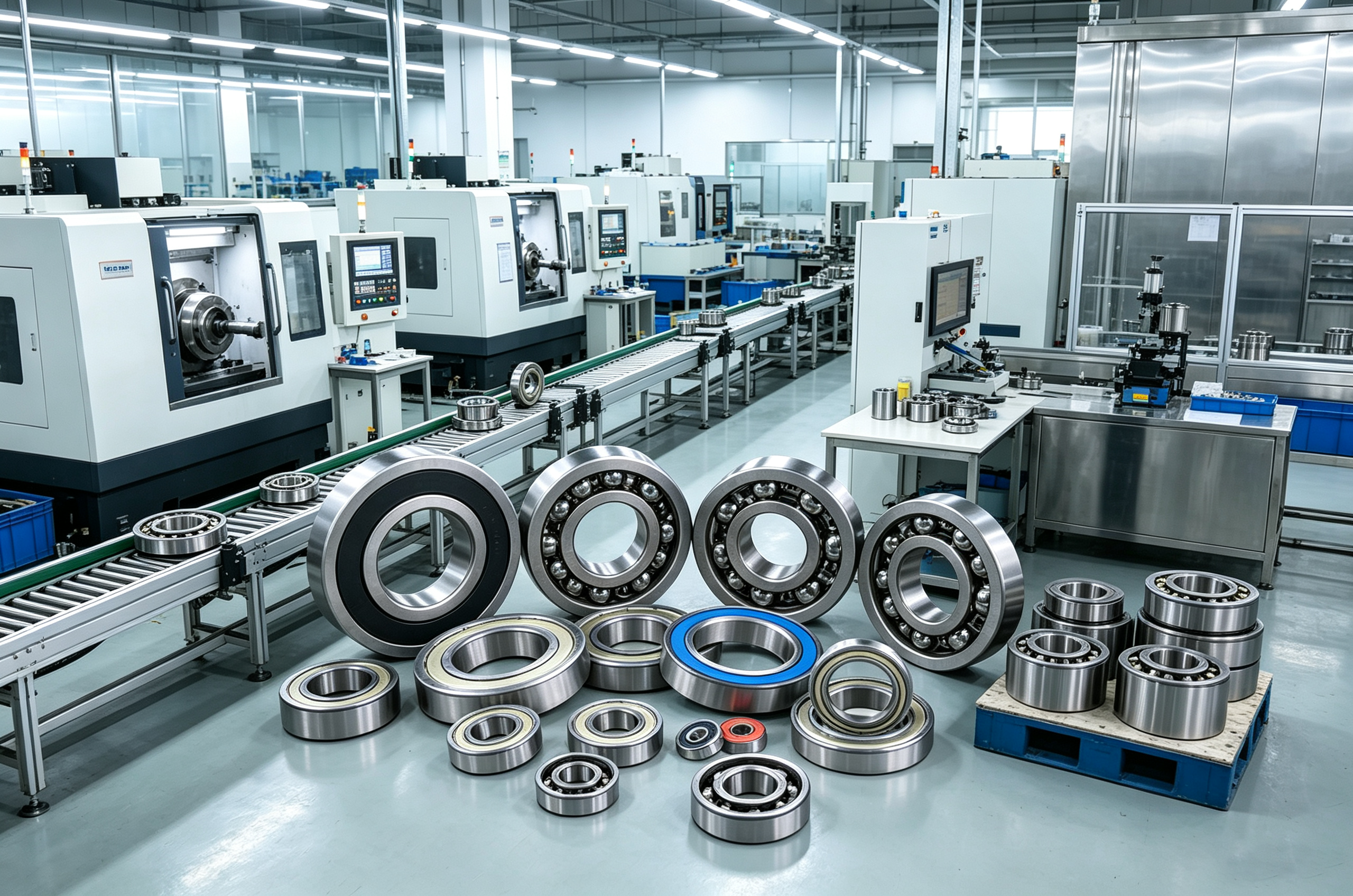
Why Bearing Failure Analysis Matters
Bearings are critical machine elements. They support rotating shafts, maintain alignment, reduce friction, and carry mechanical loads. When a bearing fails, the consequences can extend far beyond the component itself. Secondary damage may affect shafts, housings, seals, gears, and connected equipment.
A well-conducted failure analysis helps organizations:
- Identify the true root cause instead of treating only the symptom
- Reduce unplanned downtime and maintenance costs
- Improve machine availability and production stability
- Extend service life through better lubrication, installation, and operating practices
- Support informed decisions about bearing selection and system upgrades
Replacing a bearing without understanding the failure mechanism often leads to repeated breakdowns. The goal of failure analysis is to break that cycle.
Common Bearing Failure Modes
Bearings can fail in different ways depending on load, speed, lubrication, contamination, installation quality, and operating environment. The table below summarizes several common failure modes and their typical characteristics.
| Failure Mode | Typical Signs | Common Causes |
|---|---|---|
| Fatigue spalling | Surface pitting, flaking, or spalls on raceways | Long service life, cyclic loading, material stress |
| Misalignment | Uneven wear patterns, edge loading | Improper installation, shaft deflection, housing errors |
| Contamination | Scratches, dents, abrasive wear | Dirt, dust, water, metal particles entering the bearing |
| Lubrication failure | Discoloration, smearing, overheating | Insufficient grease, oil degradation, wrong lubricant |
| Electrical erosion | Fluting, pitting, grey marks | Stray currents, poor grounding, motor-driven systems |
Understanding these patterns is the first step toward accurate diagnosis. However, visual signs alone are not enough. A reliable conclusion usually requires cross-checking physical evidence with operating data and maintenance history.
Our Bearing Failure Analysis Process
Our diagnostic approach follows a disciplined sequence. Each stage helps narrow down possible causes and reduces the risk of incorrect conclusions.
Step 1: Collect Background Information
Before examining the bearing, we gather relevant information about the machine and its operating conditions. Useful details include:
- Bearing type, size, and part number
- Installation date and operating hours
- Lubrication type, quantity, and relubrication interval
- Load, speed, temperature, and vibration trends
- Recent maintenance activities or process changes
- Environmental conditions such as dust, moisture, or chemical exposure
This information provides context. A bearing that fails after 10 years of service may point to normal fatigue, while the same failure after a few weeks usually suggests installation, lubrication, or operational problems.
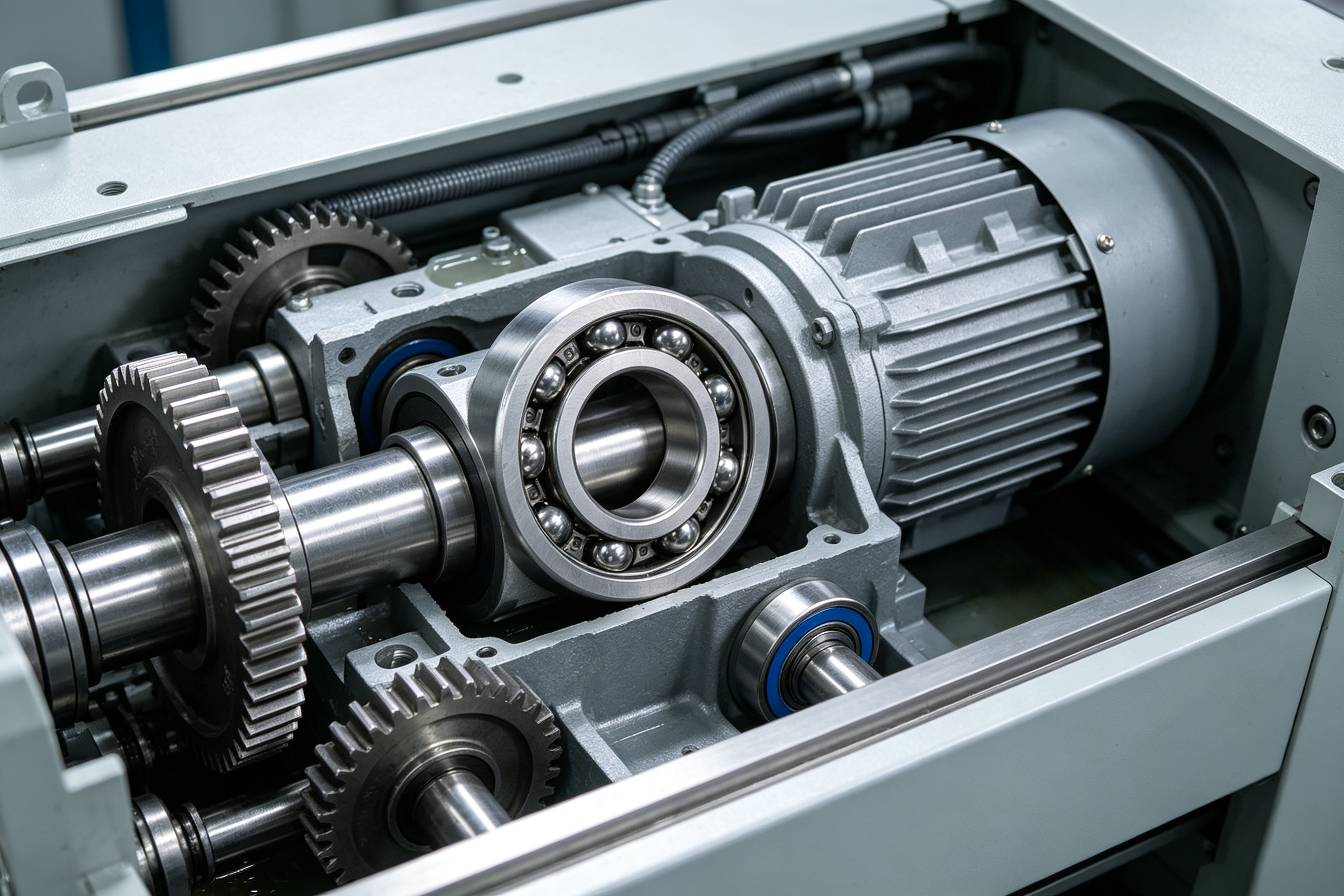
Step 2: Visual and Macroscopic Inspection
The failed bearing is carefully cleaned and examined. Inspectors look for damage patterns on the outer ring, inner ring, rolling elements, cage, and seals.
Important observations include:
- Color changes caused by overheating
- Wear tracks on raceways
- Cracks, fractures, or deformation
- Cage damage or pocket wear
- Seal condition and contamination ingress
- Corrosion or rust patterns
Visual inspection helps identify where the damage started and how it progressed.
Step 3: Dimensional and Surface Examination
After visual inspection, key dimensions are measured to check whether the bearing, shaft, or housing meets required tolerances. Surface conditions are also evaluated using microscopy when necessary.
| Inspection Item | What It Reveals |
|---|---|
| Internal clearance | Whether preload, fit, or thermal expansion affected performance |
| Raceway wear pattern | Whether loading was normal, uneven, or misaligned |
| Shaft and housing fit | Whether looseness or excessive tightness caused damage |
| Surface roughness | Whether machining quality or wear contributed to failure |
| Hardness and microstructure | Whether material condition matches expected service requirements |
These measurements help separate component-related issues from system-related issues.
Step 4: Lubrication and Contamination Assessment
Lubrication problems are among the most frequent contributors to premature bearing failure. Even high-quality bearings can fail quickly if the lubricant is insufficient, degraded, contaminated, or unsuitable for the application.
During analysis, we examine:
- Lubricant condition and consistency
- Presence of water, dust, or metal particles
- Grease filling quantity
- Oil viscosity and degradation signs
- Relubrication intervals and application method
- Seal effectiveness and environmental protection
In many cases, improving lubrication management delivers more value than simply changing the bearing model.
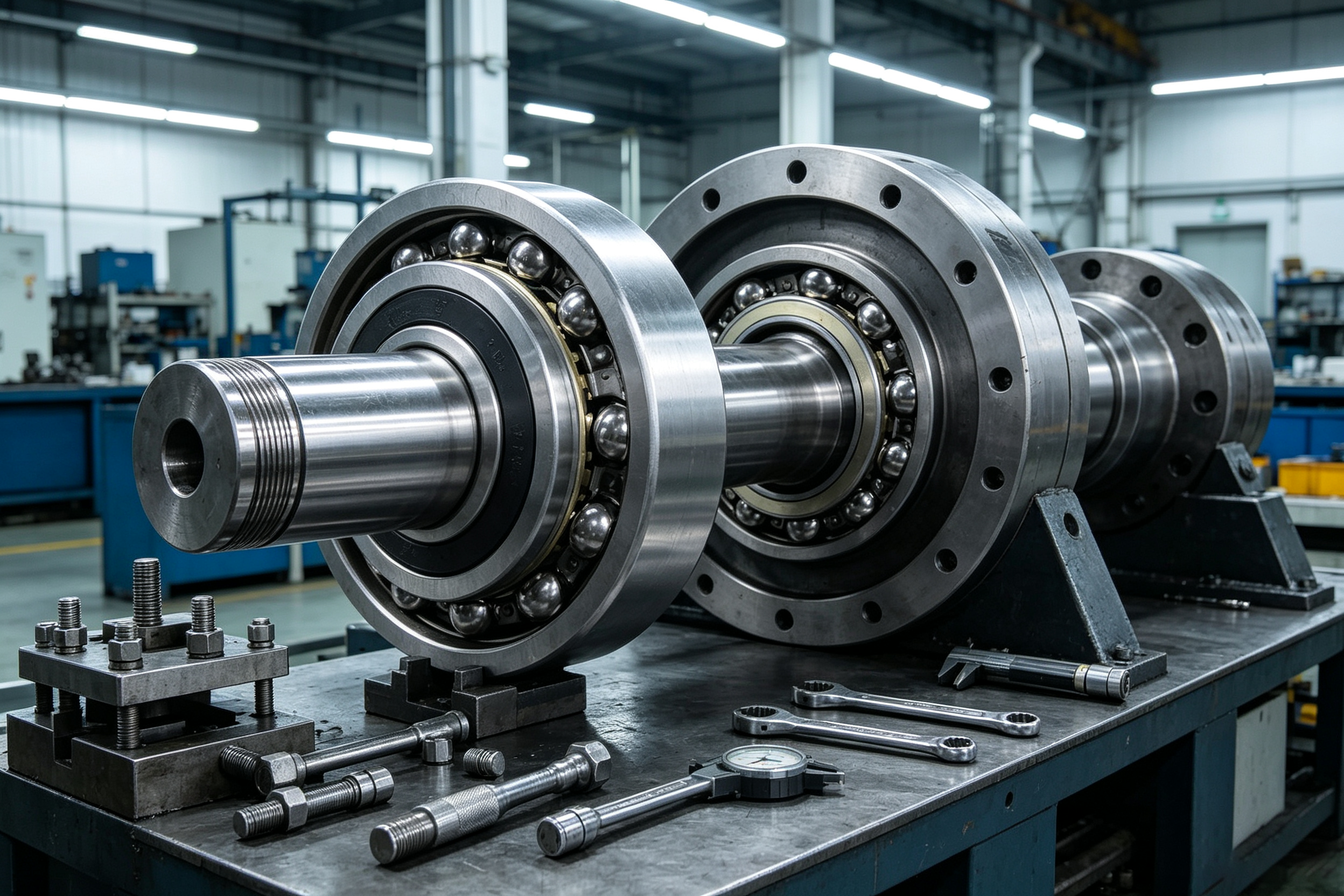
Step 5: Root Cause Identification
Once inspection data, measurement results, and operating information are combined, the likely root cause can be identified. The objective is not to assign blame, but to find the technical explanation behind the failure.
Typical root causes include:
- Incorrect bearing selection for the actual load or speed
- Poor shaft or housing tolerances
- Improper mounting or dismounting methods
- Inadequate lubrication type, quantity, or interval
- Contamination from the surrounding environment
- Excessive vibration or dynamic loading
- Misalignment between shaft, housing, and connected components
- Electrical current passage through the bearing
A single failure may involve more than one factor. For example, contamination may accelerate wear, while poor lubrication reduces the bearing’s ability to resist that damage.
Step 6: Corrective Actions and Recurrence Prevention
The final and most important stage is turning analysis findings into practical improvements. A failure report should not end with “bearing damaged.” It should provide clear recommendations that help the customer avoid repeating the problem.
| Failure Category | Preventive Action |
|---|---|
| Installation error | Use proper mounting tools and follow fitting procedures |
| Misalignment | Check shaft, housing, and coupling alignment |
| Contamination | Improve sealing, filtration, and storage conditions |
| Lubrication issue | Select correct lubricant and optimize relubrication intervals |
| Improper fit | Verify shaft and housing tolerances before installation |
| Electrical damage | Consider insulated bearings or improved grounding |
These actions are most effective when they are documented, communicated to maintenance teams, and included in standard operating procedures.
The Role of Documentation and Traceability
Reliable failure analysis depends on good records. When maintenance teams document bearing part numbers, installation dates, lubrication events, vibration readings, and failure symptoms, diagnosis becomes faster and more accurate.
We encourage customers to maintain a simple bearing history for critical equipment. Over time, this data helps identify patterns such as recurring failures on specific machines, seasonal lubrication issues, or problems linked to particular operating conditions.
Traceability also supports better purchasing and engineering decisions. If a machine repeatedly experiences premature bearing failure, the solution may involve improved sealing, better lubrication systems, upgraded bearing types, or changes to maintenance intervals.
How Customers Can Support the Analysis Process
Accurate diagnosis is a collaborative effort. Customers can improve the quality of failure analysis by preserving evidence and sharing relevant information.
Before removing a failed bearing, it is helpful to record:
- The machine’s operating condition before failure
- Any unusual noise, vibration, or temperature changes
- The last lubrication date and lubricant used
- Recent repairs or component replacements
- Photos of the bearing in place, if safely possible
When removing the bearing, avoid aggressive hammering or destructive disassembly whenever possible. Damaging the component during removal can make it harder to identify the original failure pattern.
If the bearing is heavily contaminated or damaged, it should be preserved in a clean container and labeled with the machine name, location, failure date, and operating hours. This simple practice can significantly improve diagnostic accuracy.
From Diagnosis to Long-Term Reliability
Bearing failure analysis is not only about explaining what went wrong. It is also about building a stronger maintenance strategy. The best outcomes come when inspection findings are connected to practical actions such as improved installation training, optimized lubrication schedules, better contamination control, and more suitable bearing selection.
For manufacturers, processors, and heavy-duty equipment operators, bearing reliability directly affects productivity, safety, and cost control. A structured failure analysis process helps turn unexpected breakdowns into opportunities for improvement.
By combining engineering inspection, measurable data, and practical maintenance recommendations, we help customers move beyond replacement and toward sustainable machine reliability. The goal is simple: diagnose the real cause, prevent recurrence, and keep equipment running with confidence.
Frequently Asked Questions
Q1: What is bearing failure analysis?
A: It is a structured process of inspecting a failed bearing to identify the root cause and recommend actions to prevent recurrence.
A: It is a structured process of inspecting a failed bearing to identify the root cause and recommend actions to prevent recurrence.
Q2: What are the most common causes of bearing failure?
A: The most frequent causes include improper lubrication, contamination, misalignment, incorrect installation, and poor shaft or housing fit.
A: The most frequent causes include improper lubrication, contamination, misalignment, incorrect installation, and poor shaft or housing fit.
Q3: How can I tell if a bearing is about to fail?
A: Common warning signs include abnormal noise, rising temperature, increased vibration, and a gradual drop in machine efficiency.
A: Common warning signs include abnormal noise, rising temperature, increased vibration, and a gradual drop in machine efficiency.
Q4: Should I replace the bearing immediately after failure?
A: It is better to preserve the failed bearing and collect background information first. Removing it without documentation may make it harder to identify the true root cause.
A: It is better to preserve the failed bearing and collect background information first. Removing it without documentation may make it harder to identify the true root cause.
Q5: Can a bearing failure analysis help reduce downtime?
A: Yes. By identifying the real cause, you can take targeted corrective actions instead of repeatedly replacing bearings without solving the underlying problem.
A: Yes. By identifying the real cause, you can take targeted corrective actions instead of repeatedly replacing bearings without solving the underlying problem.
Q6: How should I preserve a failed bearing for analysis?
A: Keep it in a clean container, avoid destructive disassembly, and label it with the machine name, location, failure date, and operating hours.
A: Keep it in a clean container, avoid destructive disassembly, and label it with the machine name, location, failure date, and operating hours.
Q7: How often should bearings be relubricated?
A: It depends on bearing type, speed, load, temperature, and operating environment. The correct interval should be determined based on the manufacturer’s recommendations and actual working conditions.
A: It depends on bearing type, speed, load, temperature, and operating environment. The correct interval should be determined based on the manufacturer’s recommendations and actual working conditions.
Post time: Aug-17-2026