


In modern textile production, noise is no longer just an environmental concern. It is also a signal of machine stability, product quality, and long-term operating cost. High-speed spinning frames, ring frames, rotor spinning machines, winders, looms, and carding equipment all depend on stable bearing performance. When bearings generate excessive vibration or noise, the impact can extend far beyond the bearing itself. It may affect yarn uniformity, increase fabric defects, raise maintenance frequency, and shorten the service life of critical components.
Low-noise bearings have therefore become an important focus for textile machinery manufacturers and mill operators. A quieter bearing often reflects better manufacturing precision, more consistent internal clearance, higher-quality lubrication, and improved sealing. For textile plants that run 24 hours a day, even small improvements in bearing smoothness can help reduce downtime and support more stable production.
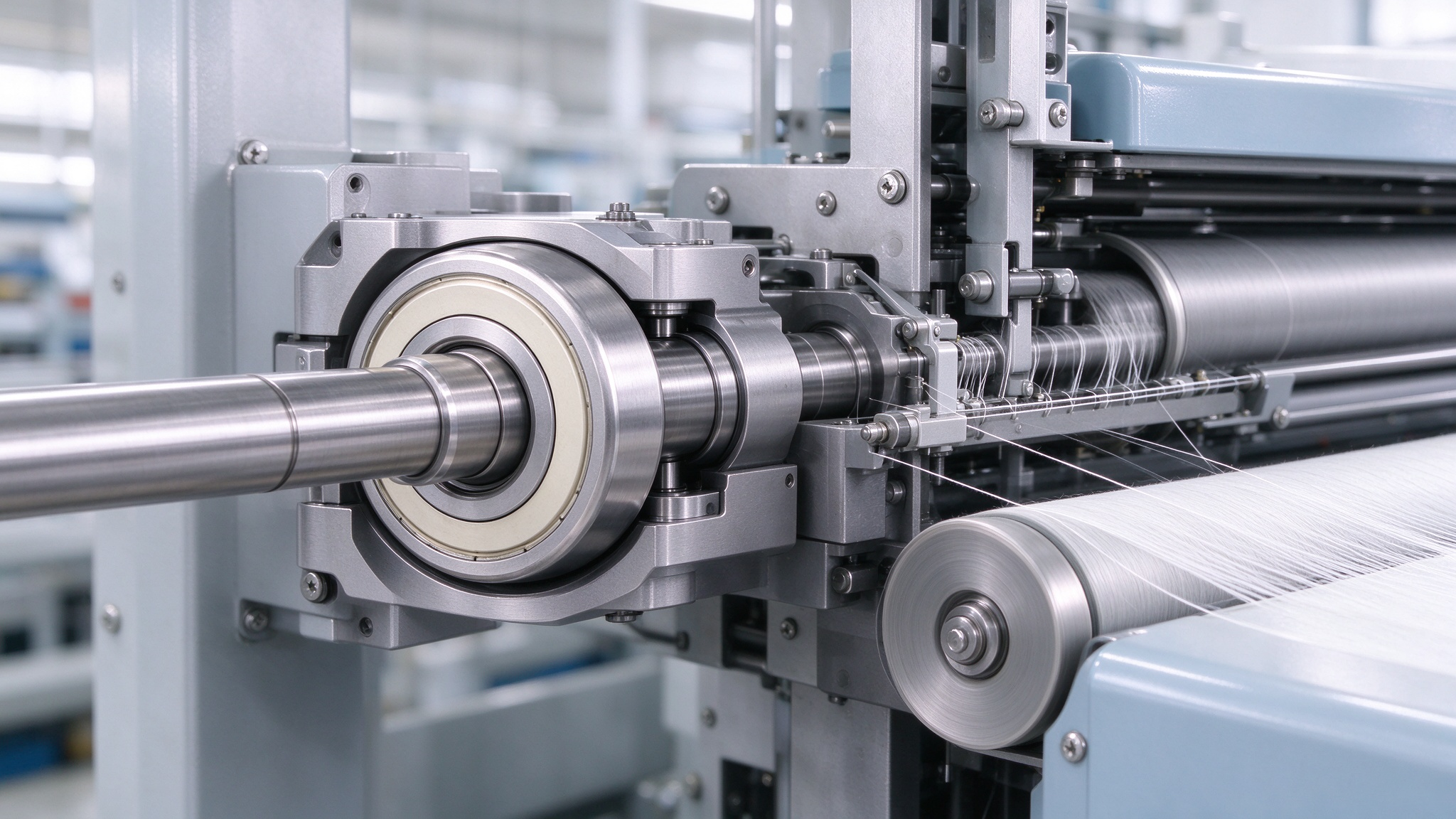
Why Textile Machinery Needs Low-Noise Bearings
Textile machinery typically operates at high speeds, under continuous load, and in environments with fiber dust, temperature variation, and long service intervals. These conditions make bearing selection more demanding than in many general industrial applications.
Noise in a bearing is usually caused by vibration between the rolling elements, raceways, cage, and lubricant film. In textile machines, this vibration can be amplified by high rotational speeds and lightweight rotating parts. If the bearing surface is not sufficiently smooth, or if internal clearance and lubrication are not properly matched, the machine may produce irregular sound, increased temperature, or premature wear.
Low-noise bearings are designed to reduce these issues. They are not simply “quieter” in perception; they are manufactured and assembled with tighter control over geometry, surface finish, cleanliness, and lubrication. This helps create a more stable rolling contact and reduces the risk of vibration-related failures.
Key Design Features of Low-Noise Bearings
Several design and manufacturing factors determine whether a bearing can perform reliably in low-noise textile applications.
| Feature | Effect on Noise | Practical Benefit |
|---|---|---|
| High-precision raceway geometry | Reduces vibration during rotation | Smoother running at high speed |
| Low surface roughness | Limits micro-impact between rolling elements and raceways | Lower audible noise and heat |
| Consistent internal clearance | Prevents excessive preload or looseness | More stable operation under load |
| High-quality cage design | Reduces cage vibration and friction | Improved durability in continuous use |
| Clean lubrication | Maintains a stable oil film | Lower wear and longer service intervals |
| Effective sealing | Keeps fiber dust and contaminants out | Reduced contamination-related noise |
Precision is especially important. Even minor deviations in roundness, waviness, or raceway finish can increase vibration at high speed. For textile machinery, bearing manufacturers often pay close attention to dimensional accuracy, rotational accuracy, and vibration class. These parameters help ensure that the bearing can maintain smooth motion during long production cycles.
Cage design also matters. Textile machines often require bearings that can run at high speed with low friction. A well-designed cage helps guide rolling elements more evenly, reduces impact noise, and improves lubricant distribution. In many cases, stamped steel cages, polymer cages, or brass cages are selected based on speed, load, temperature, and lubrication conditions.
Common Applications in Textile Plants
Different textile machines place different demands on bearings. A bearing that performs well in a carding machine may not be the best choice for a high-speed winder or spinning frame.
| Machine Type | Main Bearing Requirements | Typical Low-Noise Focus |
|---|---|---|
| Ring spinning frames | High speed, continuous rotation, fine vibration control | Smooth raceway finish, stable clearance |
| Rotor spinning machines | High rotational speed, moderate load | Low vibration, reliable lubrication |
| Winders and twisters | High speed, frequent starts and stops | Low friction, consistent running accuracy |
| Looms | Impact load, repetitive motion | Strong cage strength, stable noise level |
| Carding machines | Fiber dust, long operating hours | Good sealing, contamination resistance |
In spinning and winding processes, bearing noise can directly affect operator comfort and machine monitoring. When a machine runs unusually loud, technicians may need to stop production for inspection. If low-noise bearings are used from the beginning, abnormal conditions can be easier to detect because the normal operating sound is more consistent and predictable.
In looms and carding machines, contamination control is often more critical. Fiber fly, dust, and oil mist can enter poorly sealed bearings and cause early noise increase. Sealed or shielded bearings with appropriate lubricants can help extend maintenance intervals and reduce the risk of premature failure.
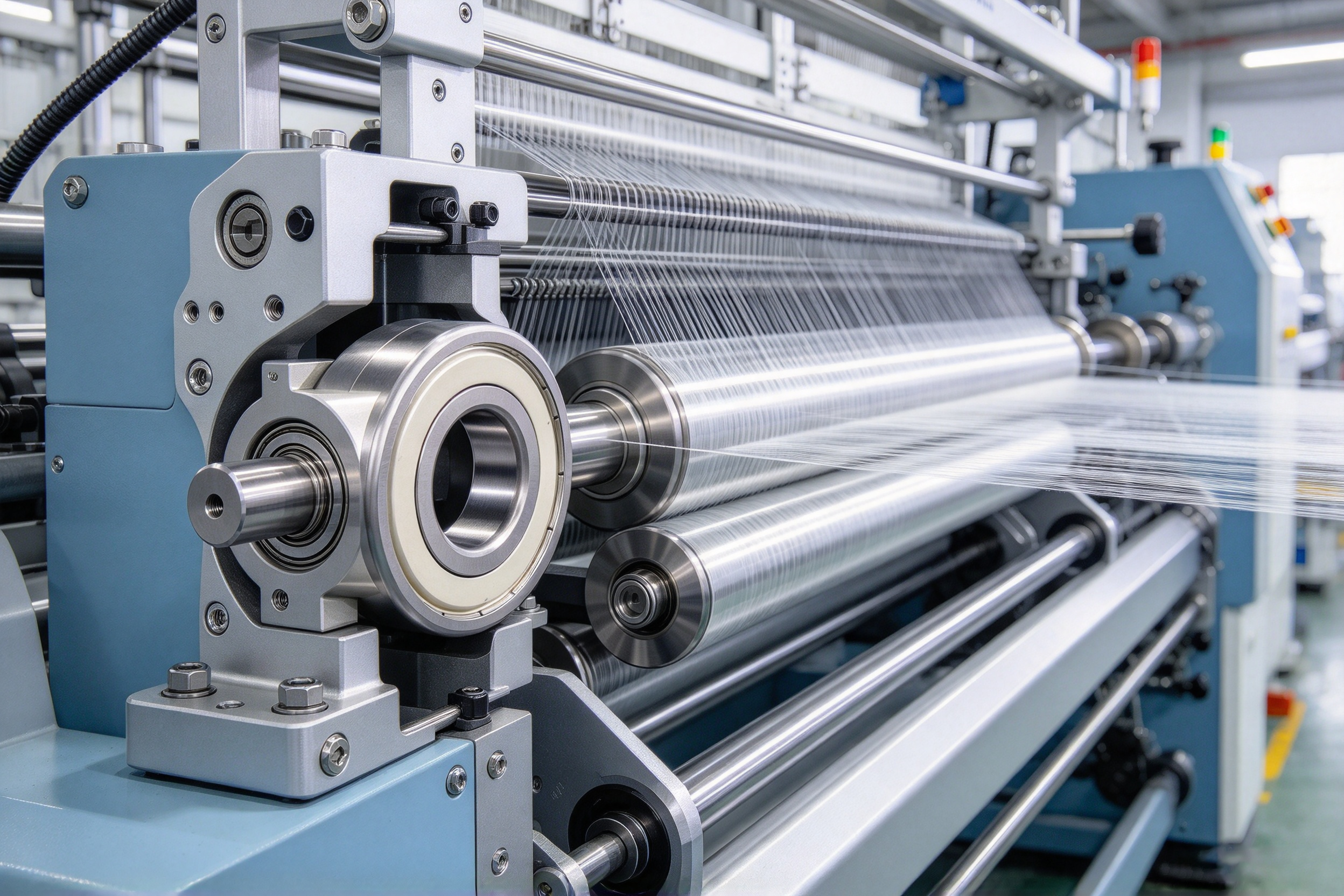
How to Select Low-Noise Bearings for Textile Equipment
Choosing the right low-noise bearing requires more than comparing price or brand. The operating environment, speed range, load type, lubrication method, and maintenance plan should all be considered.
First, confirm the speed range. Bearings used in high-speed spinning or winding must be able to handle continuous rotation without excessive heat buildup. Second, check the load condition. Some textile bearings carry mainly radial load, while others may experience combined radial and axial forces during machine movement. Third, evaluate the contamination level. Mills with high fiber dust may benefit from sealed bearings, while cleaner environments may allow open or shielded designs with regular relubrication.
Lubrication is another critical factor. Low-noise performance depends on a stable lubricant film. If the grease is unsuitable for the operating speed or temperature, noise may increase even if the bearing itself is manufactured to high precision. Grease quantity, base oil viscosity, thickener type, and relubrication interval should match the machine manufacturer’s recommendations.
Maintenance Practices That Help Reduce Noise
Even high-quality low-noise bearings can perform poorly if they are installed or maintained incorrectly. Proper handling is essential. Bearings should be kept clean before installation, and mounting tools should be used to avoid damaging the raceways. Misalignment, uneven seating, and contamination during assembly are common causes of early noise problems.
Regular inspection also helps prevent unexpected failures. Operators and maintenance teams can monitor bearing sound, temperature, and vibration trends. A sudden change in noise level may indicate lubrication loss, contamination, cage damage, or raceway wear. Early detection allows corrective action before a small issue becomes a costly breakdown.
Storage conditions matter as well. Bearings should be kept in dry, clean environments and protected from moisture and dust. Long-term storage without proper protection can affect lubricant performance and surface condition, which may reduce low-noise performance after installation.
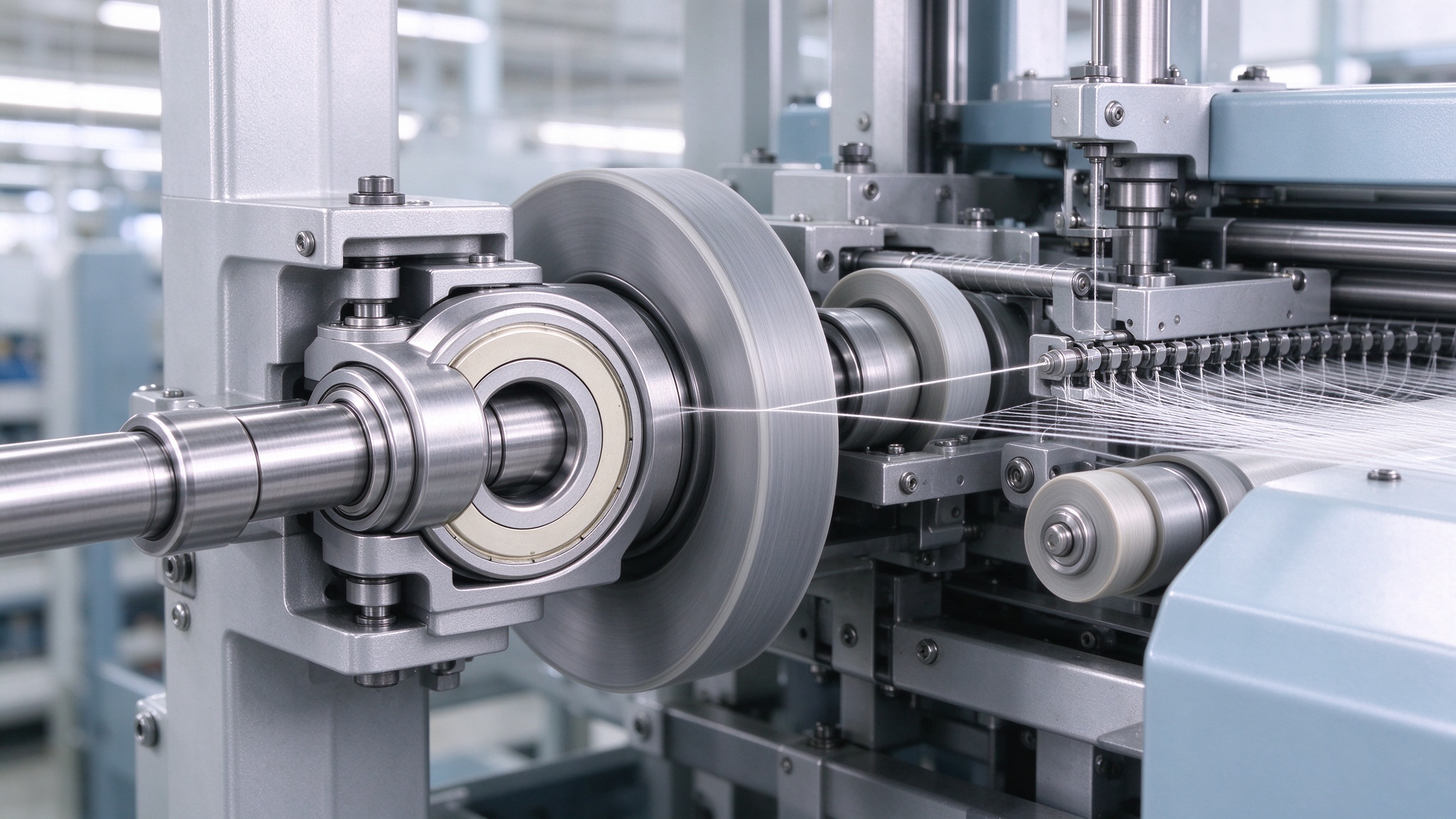
The Value of Quiet Operation for Textile Mills
Low-noise bearings contribute to more than a quieter workshop. They support higher process stability, better operator conditions, and more predictable maintenance planning. When bearings run smoothly, machines are less likely to suffer from vibration-related defects. This can help improve yarn quality, reduce fabric faults, and lower the risk of unplanned停机.
For textile machinery builders, specifying low-noise bearings can also strengthen product reliability. Machines that maintain stable sound levels over long operating periods are often perceived as more precise and durable. For mill owners, reduced noise and vibration can improve workplace safety, simplify fault diagnosis, and extend equipment service life.
Silent spinning is not about eliminating all sound from textile production. It is about creating a more controlled, stable, and efficient operating environment. Low-noise bearings play a small but essential role in that process. By combining precise manufacturing, suitable materials, proper lubrication, and correct maintenance, textile plants can achieve smoother machine performance and more consistent production results.
FAQ: Low-Noise Bearings for Textile Machinery
Q: What makes a bearing “low-noise”?
A: Low-noise bearings are manufactured with tighter control over raceway geometry, surface finish, internal clearance, cleanliness, and lubrication to reduce vibration during rotation.
A: Low-noise bearings are manufactured with tighter control over raceway geometry, surface finish, internal clearance, cleanliness, and lubrication to reduce vibration during rotation.
Q: Why is bearing noise important in textile machinery?
A: Excessive bearing noise often signals vibration, poor lubrication, contamination, or early wear, which can affect yarn quality, machine stability, and maintenance costs.
A: Excessive bearing noise often signals vibration, poor lubrication, contamination, or early wear, which can affect yarn quality, machine stability, and maintenance costs.
Q: Which textile machines benefit most from low-noise bearings?
A: Ring spinning frames, rotor spinning machines, winders, twisters, looms, and carding machines can all benefit, especially where high speed, continuous operation, or contamination control is required.
A: Ring spinning frames, rotor spinning machines, winders, twisters, looms, and carding machines can all benefit, especially where high speed, continuous operation, or contamination control is required.
Q: Do low-noise bearings last longer than standard bearings?
A: Not automatically. However, because they are produced and lubricated to higher consistency, they can help reduce vibration-related wear when correctly selected, installed, and maintained.
A: Not automatically. However, because they are produced and lubricated to higher consistency, they can help reduce vibration-related wear when correctly selected, installed, and maintained.
Q: How does lubrication affect bearing noise?
A: Proper lubrication maintains a stable oil film between rolling elements and raceways. Unsuitable grease, incorrect quantity, or contaminated lubricant can increase noise and temperature.
A: Proper lubrication maintains a stable oil film between rolling elements and raceways. Unsuitable grease, incorrect quantity, or contaminated lubricant can increase noise and temperature.
Q: Should textile bearings be sealed or open?
A: Sealed bearings are often preferred in dusty environments with fiber fly. Open or shielded bearings may be suitable where regular relubrication is possible and contamination levels are lower.
A: Sealed bearings are often preferred in dusty environments with fiber fly. Open or shielded bearings may be suitable where regular relubrication is possible and contamination levels are lower.
Q: Can low-noise bearings improve yarn or fabric quality?
A: Indirectly, yes. Smoother bearing operation reduces vibration and irregular machine movement, which can help improve process stability and reduce defects.
A: Indirectly, yes. Smoother bearing operation reduces vibration and irregular machine movement, which can help improve process stability and reduce defects.
Post time: Oct-12-2026