


The industrial bearing market is no longer defined solely by catalog thickness, trade shows, or long-standing relationships with local distributors. As digital procurement tools mature, B2B buyers are increasingly turning to online channels to search for, compare, and purchase bearings. This shift is not just about convenience. It reflects deeper changes in how manufacturing companies manage supply-chain risk, control costs, improve purchasing efficiency, and maintain production continuity.
For bearing manufacturers and distributors, this transition creates both pressure and opportunity. Buyers still value product quality, technical accuracy, and reliable delivery, but they now expect those attributes to be supported by a seamless digital experience. Companies that combine engineering credibility with transparent online information, responsive customer service, and efficient order fulfillment are better positioned to win trust in a competitive global market.
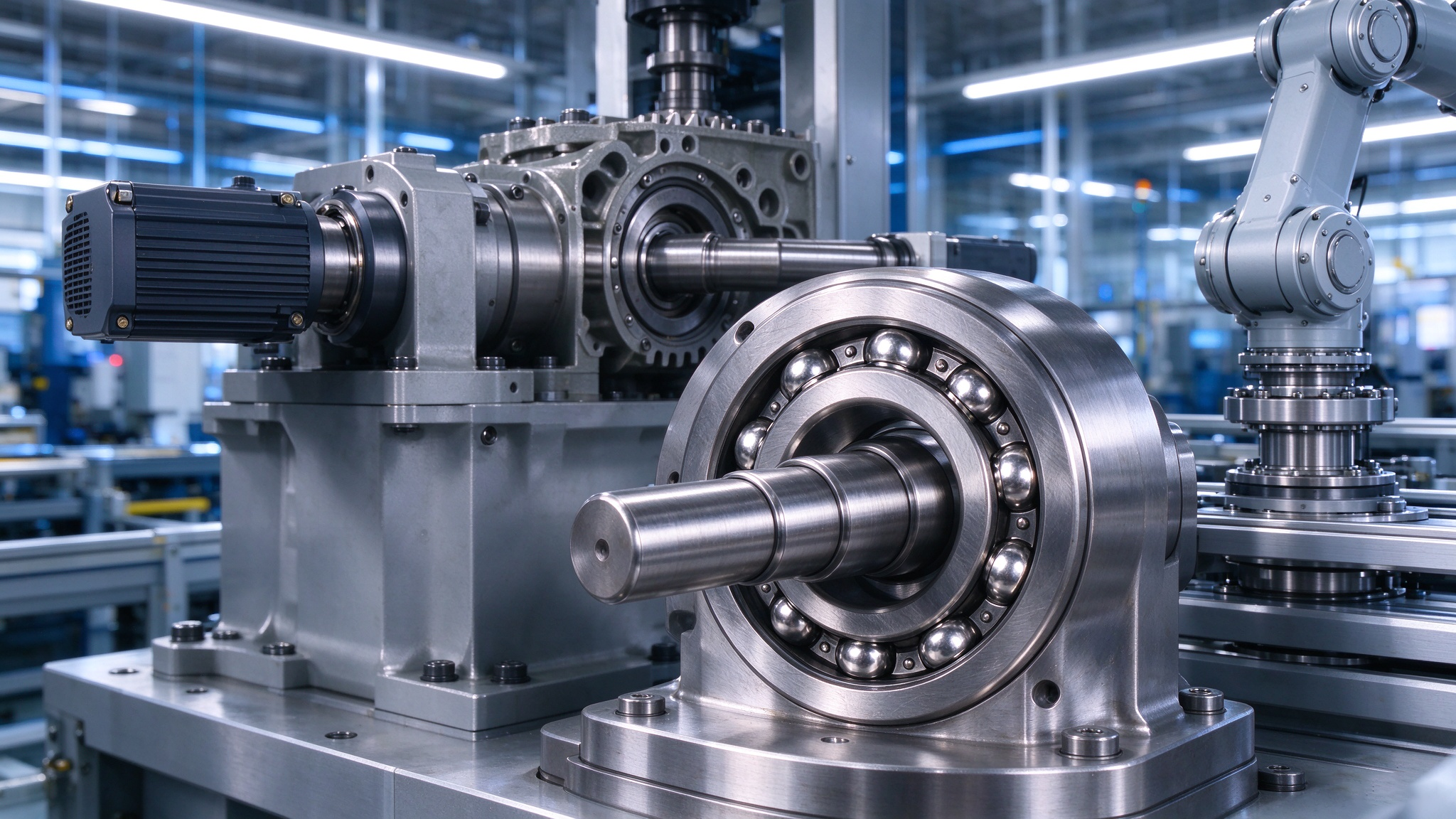
Why B2B Bearing Buyers Are Moving Online
Bearing procurement has traditionally been relationship-driven. Engineers, maintenance managers, and purchasing teams often relied on trusted suppliers to recommend suitable products, confirm availability, and arrange delivery. While relationships remain important, digital channels now play a much larger role at every stage of the buying journey.
One major driver is speed. Production downtime caused by bearing failure can be expensive, so buyers need fast access to product specifications, stock information, and delivery estimates. Online platforms allow them to check dimensions, load ratings, materials, and compatibility without waiting for email replies or phone calls.
Another driver is transparency. Modern buyers want to compare multiple suppliers quickly. They look for clear pricing structures, minimum order quantities, lead times, shipping options, and certification details. When this information is available online, the procurement process becomes more efficient and less dependent on manual communication.
Supply-chain uncertainty has also accelerated digital adoption. After years of disruption, many industrial buyers prefer suppliers that provide real-time inventory visibility, order tracking, and proactive communication. A professional e-commerce presence signals that a supplier has invested in systems capable of supporting stable and predictable delivery.
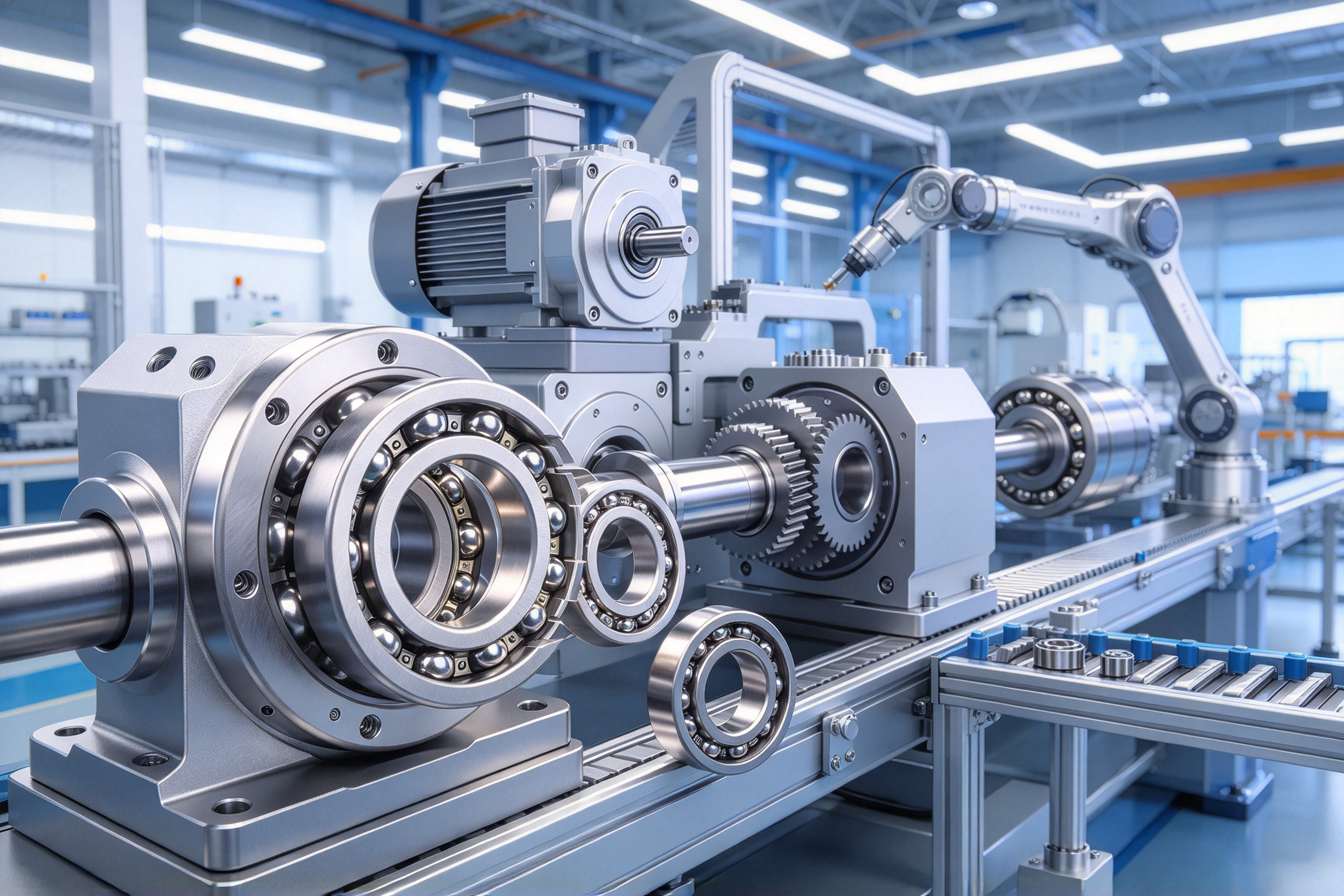
New Expectations from Digital-First Procurement Teams
Today’s B2B bearing buyers are not simply looking for a website with product photos. They expect a procurement-ready experience that supports technical decision-making and internal approval processes.
Key expectations include:
- Accurate product data with standardized part numbers and technical parameters.
- Easy access to datasheets, CAD files, inspection reports, and material certificates.
- Clear information about bearing types, applications, and operating limits.
- Transparent lead times and shipping methods.
- Responsive support for customized orders, bulk quotations, and after-sales service.
Purchasing teams also want to reduce administrative workload. Features such as quick reorder, bulk inquiry forms, downloadable invoices, and account-based pricing can make a significant difference. For international buyers, multi-currency options, clear Incoterms, and export documentation support are equally important.
How Bearing Sourcing Habits Have Changed
The shift toward e-commerce has changed not only where buyers search for bearings, but also how they evaluate suppliers. In the past, many buyers contacted a small number of distributors directly. Today, they often begin with online research before reaching out to sales teams.
| Buying Stage | Traditional Behavior | Current Digital Behavior |
|---|---|---|
| Product Search | Relied on printed catalogs and supplier recommendations | Searches online using bearing type, size, part number, or application |
| Supplier Evaluation | Based on personal relationships and local availability | Compares websites, certifications, lead times, and customer reviews |
| Order Placement | Phone, email, or in-person requests | Online inquiry forms, live chat, e-commerce checkout, or RFQ systems |
This does not mean that human interaction has become irrelevant. Bearings are technical components, and many orders still require engineering confirmation. However, digital channels now serve as the first point of contact. A supplier’s website often acts as a 24/7 sales engineer, answering basic questions before a buyer ever speaks with a representative.
What Buyers Look for on Bearing Supplier Websites
A strong B2B bearing website should do more than display products. It should help buyers make confident decisions while reducing the risk of incorrect selection.
Important elements include:
- Detailed product pages: Each bearing should include inner diameter, outer diameter, width, material, cage type, seal type, precision class, load rating, and speed limits where applicable.
- Application guidance: Buyers benefit from explanations of where specific bearings are suitable, such as electric motors, agricultural machinery, conveyor systems, automotive components, or industrial gearboxes.
- Quality documentation: ISO certificates, test reports, material declarations, and inspection records help buyers assess reliability.
- Clear communication channels: Phone numbers, email addresses, live chat, and inquiry forms should be easy to find.
- Fast response systems: B2B buyers often compare several suppliers at once. Quick replies can directly influence order decisions.
Technical content also plays an important role. Articles that explain bearing failure causes, lubrication practices, installation methods, or selection criteria can build authority. When buyers find useful information before making a purchase, they are more likely to trust the supplier.
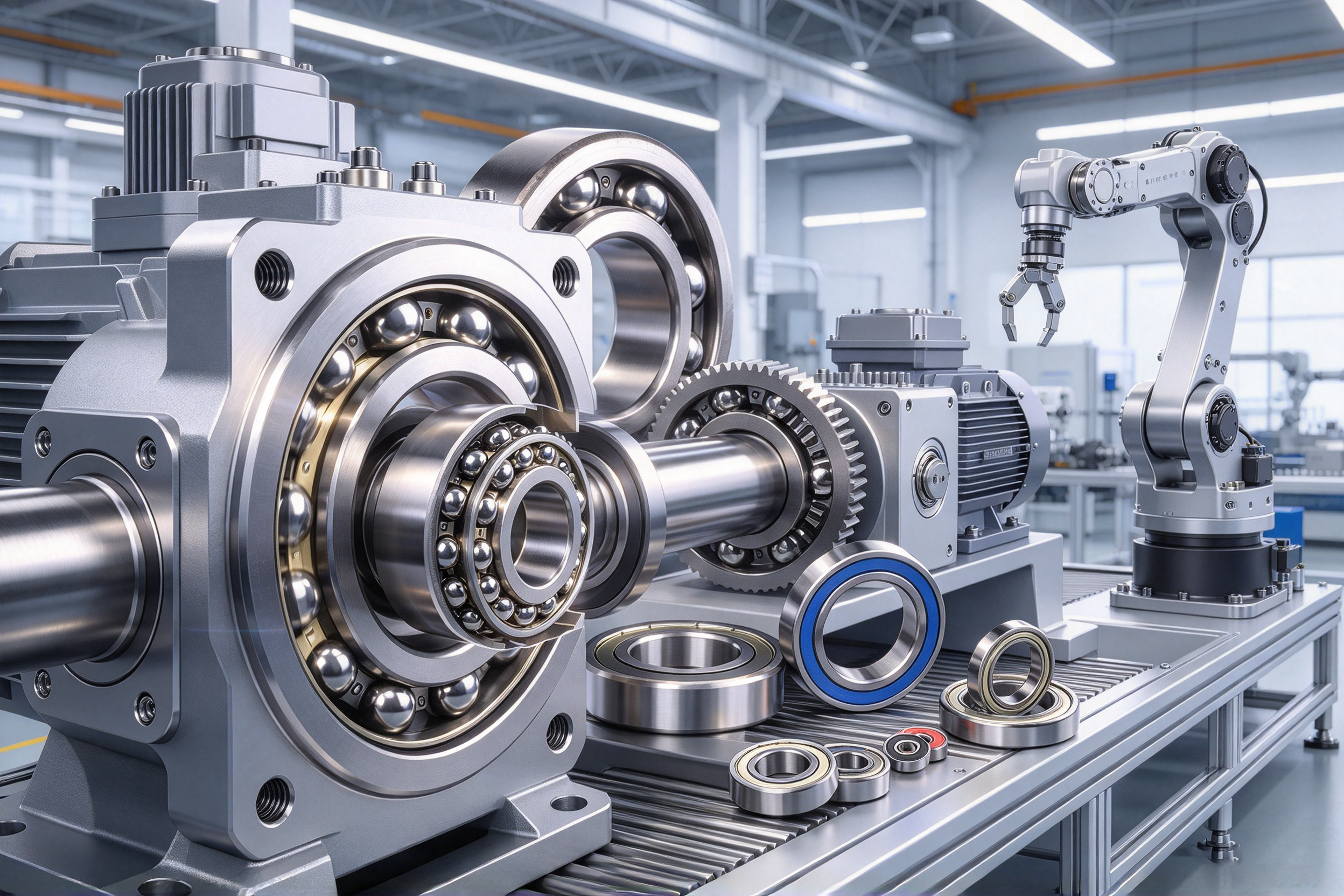
Trust and Expertise Still Drive Final Decisions
Even in a digital-first environment, bearing buyers remain cautious. A wrong bearing choice can lead to equipment failure, safety risks, and costly downtime. Therefore, credibility matters more than flashy design.
Buyers tend to trust suppliers that demonstrate real manufacturing or distribution capability. This includes factory introductions, production equipment descriptions, quality control processes, export experience, and case studies from relevant industries. Generic claims such as “high quality” or “best price” are less persuasive than specific, verifiable information.
Professional websites also reduce perceived risk. Clear return policies, warranty statements, packaging details, and shipping procedures show that the supplier understands international B2B transactions. For overseas buyers, consistent communication and accurate documentation are often as important as product price.
Key Differences Between Traditional and Digital Bearing Procurement
The move to online sourcing has changed the balance between price, speed, and trust. Buyers still compare prices, but they also place greater emphasis on total procurement efficiency.
| Factor | Traditional Procurement | Digital-Enabled Procurement |
|---|---|---|
| Information Access | Limited to catalogs and sales representatives | Available anytime through websites and digital documents |
| Supplier Comparison | Slow and localized | Faster and often global |
| Order Transparency | Dependent on manual updates | Supported by order tracking and automated notifications |
| Decision Confidence | Built through long-term relationships | Built through product data, certifications, and service quality |
Suppliers that ignore these changes risk losing visibility, even if their products are technically strong. In contrast, companies that invest in accurate content, responsive service, and reliable fulfillment can attract buyers who previously would not have discovered them.
How Bearing Suppliers Can Adapt
To succeed in the evolving B2B landscape, bearing companies should treat their websites as strategic sales assets rather than simple online brochures. A well-structured digital presence can support both direct orders and qualified inquiries.
Practical steps include:
- Standardize product data. Use consistent naming, specifications, and categories so buyers can find products easily.
- Improve technical content. Provide clear explanations of bearing types, materials, tolerances, and common applications.
- Highlight quality systems. Share certifications, inspection processes, and testing capabilities in a transparent way.
- Optimize for mobile and speed. Many buyers browse on phones or tablets during factory visits or maintenance checks.
- Enable multiple inquiry paths. Some buyers prefer online forms, others prefer email, chat, or direct calls.
- Strengthen after-sales support. Fast responses to technical questions, replacements, and shipping issues build long-term loyalty.
For global suppliers, localization also matters. Buyers from different regions may use different terminology, measurement preferences, or procurement workflows. Providing clear English content, accurate technical units, and internationally understood shipping terms can reduce misunderstandings and improve conversion rates.
The Future of Bearing E-commerce
The rise of B2B e-commerce in the bearing industry is not a temporary trend. It reflects a broader transformation in industrial procurement. Buyers now expect digital accessibility, technical transparency, and reliable fulfillment as standard features rather than optional extras.
However, digital growth does not replace engineering expertise. The most successful bearing suppliers will be those that combine strong product knowledge with an efficient online experience. Buyers will continue to choose partners that help them reduce downtime, avoid selection errors, manage inventory more effectively, and maintain stable production.
For bearing manufacturers and distributors, the priority is clear: build trust through expertise, make technical information easy to access, and ensure that every digital touchpoint supports the buyer’s real-world needs. In this new environment, e-commerce is not just a sales channel. It has become a core part of how industrial buyers discover, evaluate, and purchase bearings.
Frequently Asked Questions
Why are more B2B buyers purchasing bearings online?
Online channels let buyers compare specifications, lead times, certifications, and shipping options faster than traditional catalogs or phone-based sourcing.
Online channels let buyers compare specifications, lead times, certifications, and shipping options faster than traditional catalogs or phone-based sourcing.
What information do bearing buyers expect on a supplier website?
Buyers look for accurate dimensions, load ratings, materials, precision class, stock status, datasheets, certificates, and clear inquiry or ordering paths.
Buyers look for accurate dimensions, load ratings, materials, precision class, stock status, datasheets, certificates, and clear inquiry or ordering paths.
Does digital sourcing replace technical support?
No. Bearings are technical components, so buyers still need engineering guidance for selection, replacement, and application confirmation.
No. Bearings are technical components, so buyers still need engineering guidance for selection, replacement, and application confirmation.
How can suppliers build trust online?
Show real manufacturing or distribution capability, quality certifications, inspection processes, clear shipping terms, and responsive after-sales support.
Show real manufacturing or distribution capability, quality certifications, inspection processes, clear shipping terms, and responsive after-sales support.
What makes a bearing product page more effective?
Include standardized part numbers, inner/outer diameter, width, seal type, clearance, cage type, load rating, application notes, and downloadable technical files.
Include standardized part numbers, inner/outer diameter, width, seal type, clearance, cage type, load rating, application notes, and downloadable technical files.
Post time: Oct-21-2026