


In the intricate world of modern engineering, ball bearings are the unsung heroes that keep everything in motion. From high-speed wind turbines to precision machine tools, these seemingly simple components bear the brunt of extreme loads and relentless friction. However, the reliability of a ball bearing is not merely a result of its geometric design; it is the culmination of a rigorous life cycle that begins in a steel mill and ends with nanometer-level surface finishing. Understanding this journey is essential for grasping why premium bearings command trust in critical applications.
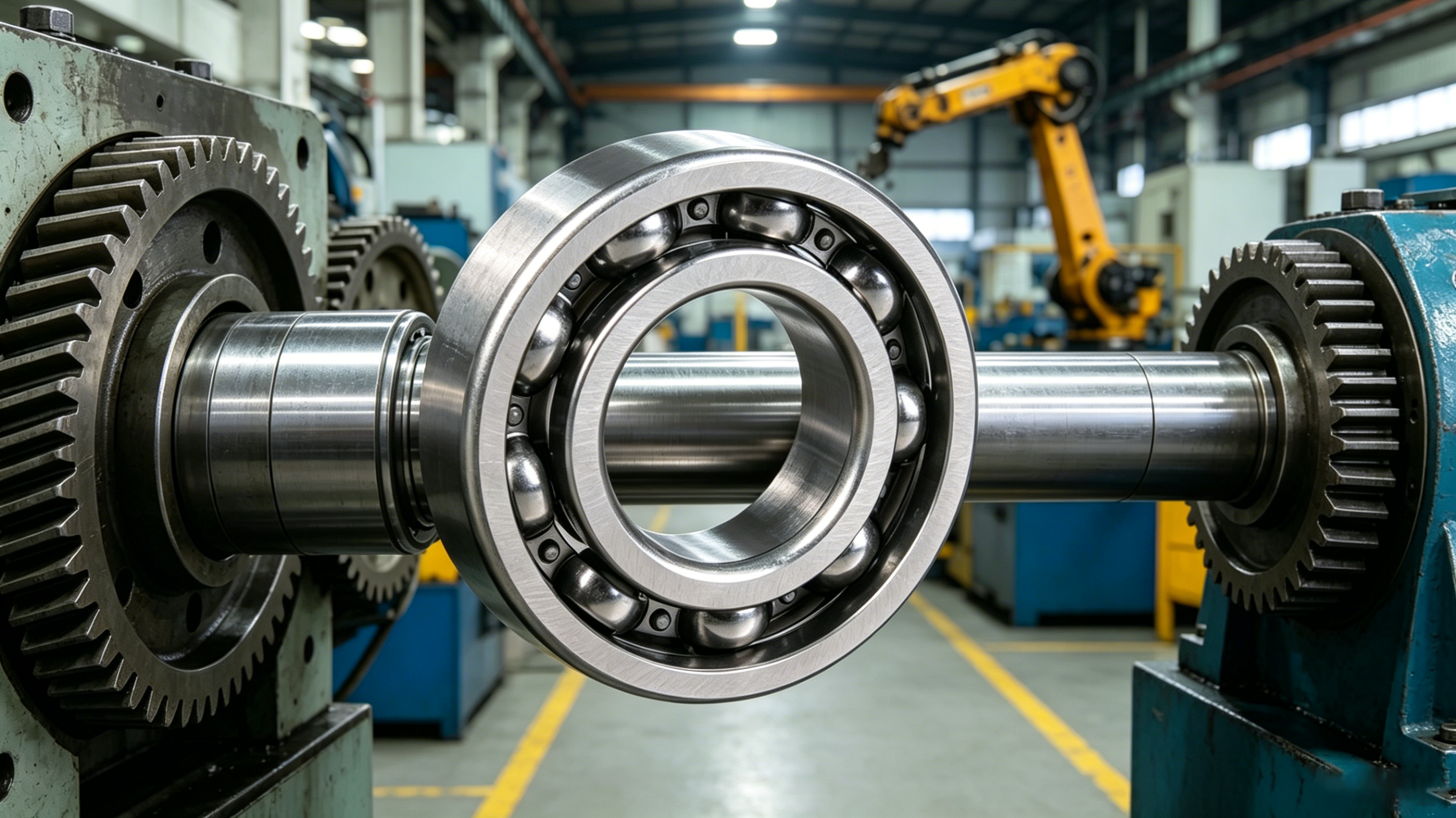
Phase 1: The Foundation – Metallurgy and Material Purity
The life cycle of a high-performance ball bearing begins long before it takes its final shape. It starts with the selection and refinement of raw steel. Bearing steel, typically a high-carbon chromium alloy, must possess exceptional purity, uniform hardness, and resistance to fatigue.
Modern metallurgical advancements have shifted the focus toward “green steel” manufacturing and ultra-high cleanliness. For instance, contemporary bearing steel production now emphasizes strict control over non-metallic inclusions. Research indicates that keeping the maximum size of single-particle inclusions below 10 micrometers is critical for achieving extended fatigue life. Furthermore, manufacturers are increasingly adopting electric arc furnace (EAF) short-process steelmaking using green electricity and pure scrap steel. This approach not only reduces carbon emissions by over 90% but also ensures a highly homogeneous microstructure, which is vital for preventing early failures caused by localized stress concentrations.
Phase 2: Forging, Heat Treatment, and Microstructural Evolution
Once the steel is formed into rings and rolling elements, it undergoes precise forging and heat treatment. This phase dictates the internal microstructure and the residual stress profile of the bearing.
Advanced heat treatment processes, such as patented bainitic hardening, are employed to create a subsurface compressive stress layer. This compressive stress is a critical defense mechanism; it actively limits initial crack growth and hinders the propagation of ring cracks during operation. Under heavy rolling contact fatigue, the subsurface material undergoes distinct evolutionary stages: an adaptation phase, a steady-state response phase (where nano-crystalline structures and white etching layers may form), and an unstable phase. Proper heat treatment ensures the material can withstand billions of load cycles before reaching this unstable phase.
表格
| Manufacturing Phase | Key Process | Primary Objective |
|---|---|---|
| Steel Production | EAF Short-Process & Inclusion Control | Achieve ultra-high purity, homogeneous hardness, and sustainable low-carbon footprint. |
| Heat Treatment | Patented Bainitic Hardening | Generate subsurface compressive stress to resist crack initiation and propagation. |
| Precision Polishing | Chemical Mechanical Polishing (CMP) | Eliminate subsurface damage and achieve nanometer-level surface roughness. |
Phase 3: Precision Polishing – The Art of Surface Finish
The transition from a machined part to a precision bearing relies heavily on the final polishing stage. Traditional mechanical grinding often leaves a subsurface damage layer of up to 50 micrometers, which acts as a catalyst for premature fatigue. To overcome this, the industry is increasingly adopting Chemical Mechanical Polishing (CMP) techniques tailored for bearing components.
By combining chemical etching with mechanical abrasion, CMP removes the damaged layer and reduces surface roughness (Ra) from hundreds of nanometers down to single-digit nanometers (e.g., below 8.04 nm). This super-smooth surface significantly enhances the lubrication regime, promoting full fluid film lubrication and reducing direct metal-to-metal contact. Moreover, advanced CMP systems can polish entire batches of rollers simultaneously, ensuring exceptional dimensional consistency and reducing roundness errors by over 30%.
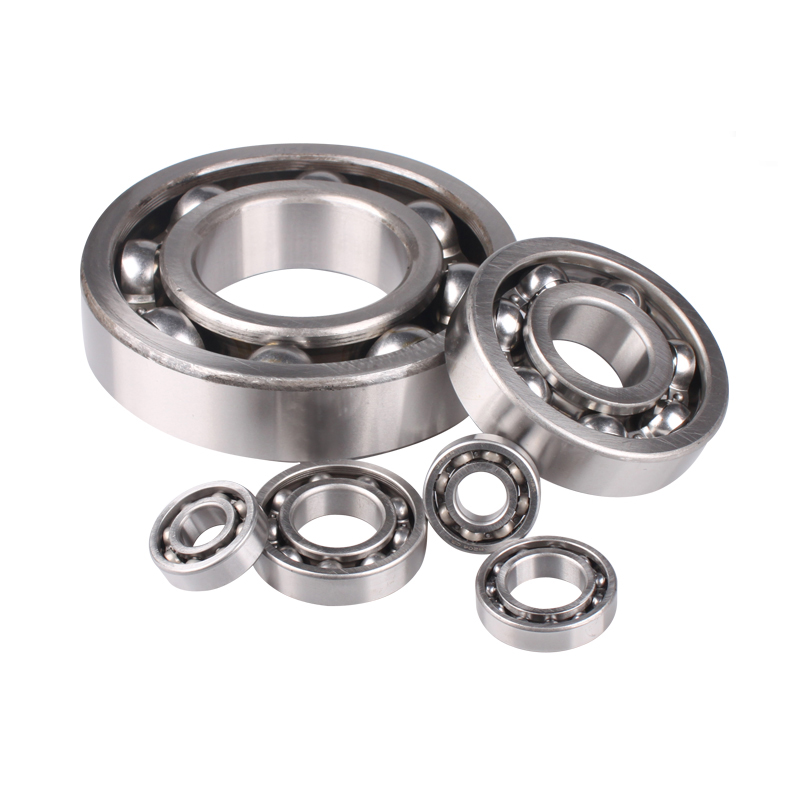
Phase 4: Operational Life and Lubrication Dynamics
Once installed, the bearing enters its operational life cycle. The actual lifespan is dictated by the complex interplay between mechanical loads, surface topography, and lubrication.
Modern precision lifetime analysis utilizes mixed thermal elastohydrodynamic lubrication (mixed-TEHL) models. These models reveal that as a bearing operates, factors like rising oil temperature, increased surface roughness, and higher axial or radial loads significantly degrade the lubrication film and accelerate wear. Interestingly, as rotational speed increases, the precision lifespan often exhibits a non-linear trend: it may briefly increase due to better hydrodynamic film formation before decreasing as frictional heat and dynamic stresses take over. Therefore, optimizing lubrication and operating within recommended load-speed envelopes is paramount for maximizing service life.
Phase 5: End-of-Life, Sustainability, and Circular Economy
The final stage of a ball bearing‘s life cycle is increasingly focused on sustainability. Bearings operating in extreme environments, such as continuous casting lines, face severe challenges from water, scale, and abrasive dust. When these bearings fail, they not only cause costly unplanned downtime but also represent a loss of valuable resources.
Today’s premium bearings are designed with the end-of-life in mind. Optimized internal designs provide more space for grease, reducing consumption and extending relubrication intervals. Furthermore, the shift toward near-zero carbon steel production means that the bearing’s environmental impact is minimized from day one. At the end of their service life, high-alloy bearing steels are highly recyclable, re-entering the green steel production cycle and closing the loop in a true circular economy.
表格
| Operational Factor | Impact on Bearing Life | Mitigation Strategy |
|---|---|---|
| Lubricant Temperature | High temps thin the oil film, accelerating wear. | Advanced thermal management and high-viscosity index oils. |
| Surface Roughness | Increased RMS roughness causes localized stress peaks. | Super-finish CMP polishing to maintain nanometer-level smoothness. |
| Dynamic Loads | Excessive axial/radial loads shorten precision lifespan. | Proper bearing sizing and optimized internal geometry design. |
Conclusion: Engineering Trust Through Every Cycle
The life cycle of a ball bearing is a testament to modern industrial synergy. It requires the seamless integration of sustainable metallurgy, advanced thermomechanical processing, nanometer-level surface finishing, and predictive operational modeling. For engineers and procurement professionals, understanding this lifecycle is not just about selecting a part; it is about investing in a proven system of reliability. As the industry continues to push the boundaries of green manufacturing and ultra-precision, the humble ball bearing remains a shining example of how meticulous engineering keeps the world turning.
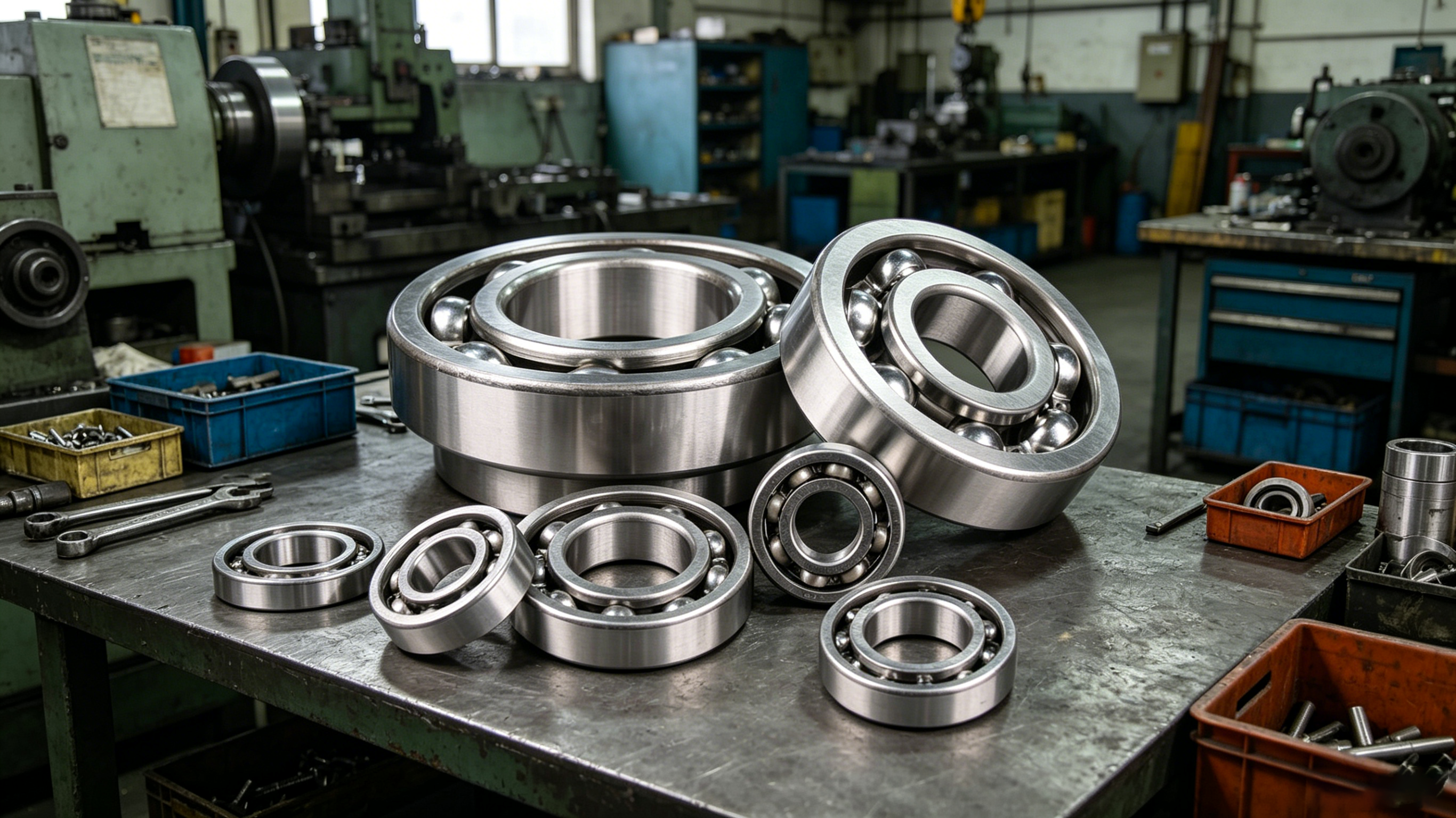
Frequently Asked Questions (FAQ)
Q1: What is the most critical factor in the manufacturing of ball bearings?
A: Material purity. Controlling non-metallic inclusions in the steel is essential for preventing early failures and maximizing fatigue life.
A: Material purity. Controlling non-metallic inclusions in the steel is essential for preventing early failures and maximizing fatigue life.
Q2: How does advanced heat treatment improve bearing performance?
A: Processes like bainitic hardening create a subsurface compressive stress layer that actively resists crack initiation and propagation.
A: Processes like bainitic hardening create a subsurface compressive stress layer that actively resists crack initiation and propagation.
Q3: Why is Chemical Mechanical Polishing (CMP) preferred over traditional grinding?
A: CMP removes subsurface damage and achieves a nanometer-level surface finish, which enhances lubrication and reduces metal-to-metal contact.
A: CMP removes subsurface damage and achieves a nanometer-level surface finish, which enhances lubrication and reduces metal-to-metal contact.
Q4: How does operating temperature affect a bearing’s lifespan?
A: High temperatures thin the lubricant film, which accelerates wear. Proper thermal management is required to maintain optimal performance.
A: High temperatures thin the lubricant film, which accelerates wear. Proper thermal management is required to maintain optimal performance.
Q5: Are ball bearings environmentally friendly?
A: Yes. Modern bearings utilize “green steel” with a low carbon footprint, and the high-alloy steel is fully recyclable at the end of its life cycle.
A: Yes. Modern bearings utilize “green steel” with a low carbon footprint, and the high-alloy steel is fully recyclable at the end of its life cycle.
Post time: Jul-02-2026