


In the world of precision engineering, a fraction of a millimeter can be the difference between seamless operation and catastrophic failure. For purchasing managers, maintenance engineers, and plant operators, selecting the correct internal clearance for rolling element bearings is one of the most critical decisions in the procurement process.
Among the most common questions our technical support team receives is: ”Should I stick with the standard C0 clearance, or do I need to upgrade to C3?”
Misunderstanding this specification can lead to premature bearing failure, excessive noise, or unnecessary capital expenditure. This guide breaks down the technical realities of C0 versus C3 clearance, helping you make an informed, EEAT-compliant decision based on actual operating conditions rather than guesswork.
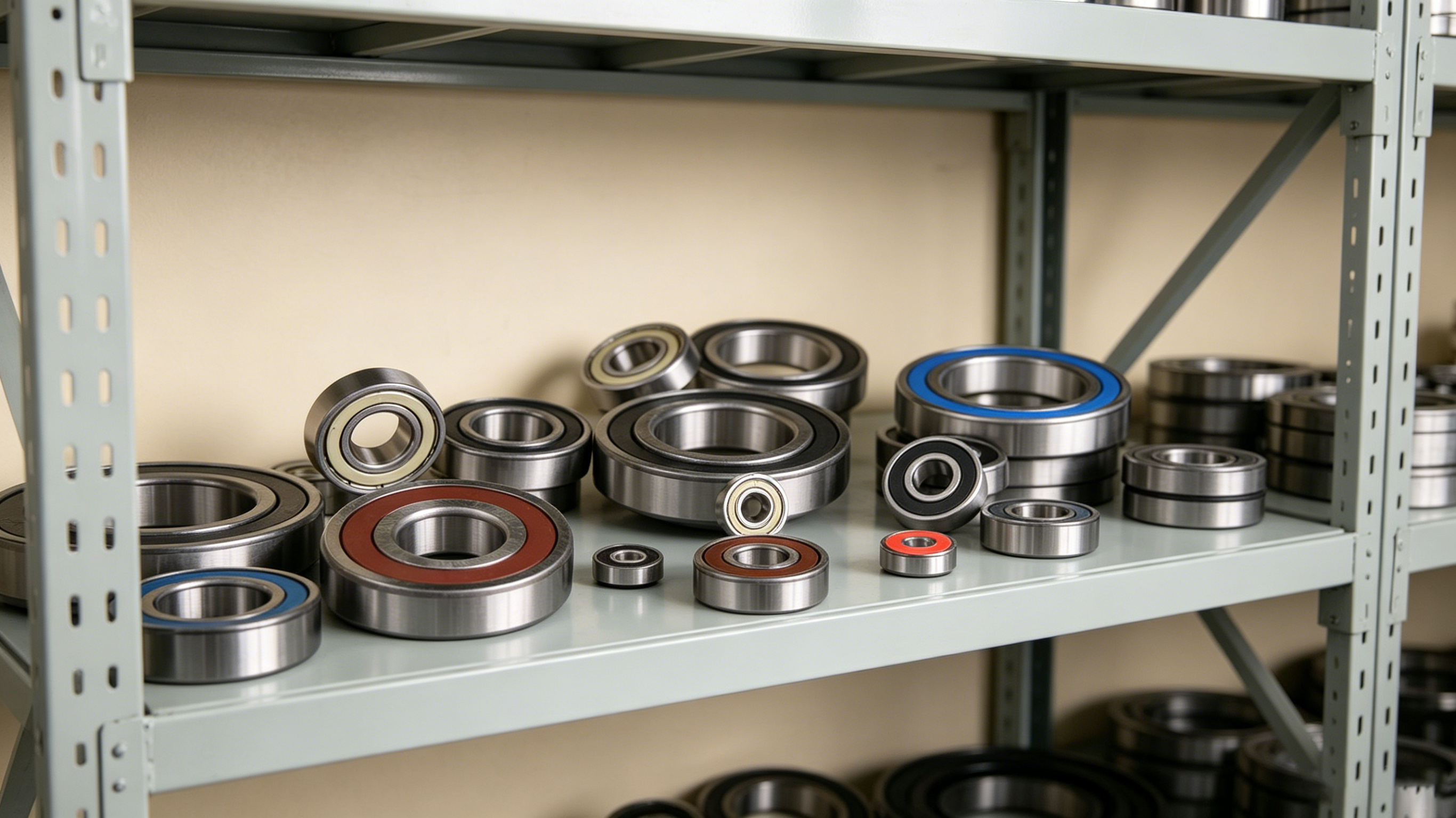
Understanding the Baseline: What is Internal Clearance?
Before comparing C0 and C3, we must define internal clearance. It is the total distance by which one bearing ring can be moved radially or axially in relation to the other ring when the bearing is in an unloaded state.
It is crucial to understand that C0 is the standard clearance. If a bearing part number does not specify a clearance suffix (e.g., 6205-2RS), it is manufactured with C0 clearance. C3, on the other hand, is a greater-than-standard internal clearance.
The fundamental rule of bearing clearance is this: Operating clearance is always less than initial (unmounted) clearance. Why? Because interference fits on the shaft or in the housing cause the rings to expand or contract, reducing the internal space. Furthermore, thermal expansion during operation further diminishes this clearance.
C0 vs. C3: A Technical Comparison
To visualize the differences, let’s look at the core characteristics of these two clearance classes.
| Feature | C0 (Standard Clearance) | C3 (Greater than Standard) |
|---|---|---|
| Definition | Normal, baseline internal clearance | Increased internal clearance (typically 1.5x to 2x C0) |
| Primary Use Case | Normal operating temperatures, standard fits | High temperatures, heavy interference fits, high vibration |
| Thermal Tolerance | Low to Moderate | High |
| Noise & Vibration | Optimized for quiet, smooth operation | Slightly higher acoustic noise due to larger gaps |
| Load Capacity | Standard | Slightly reduced under pure radial loads |
When Do You Actually Need C3 Clearance?
You should only specify C3 clearance when your application’s operating environment dictates it. Here are the three primary scenarios where C3 is not just recommended, but mandatory:
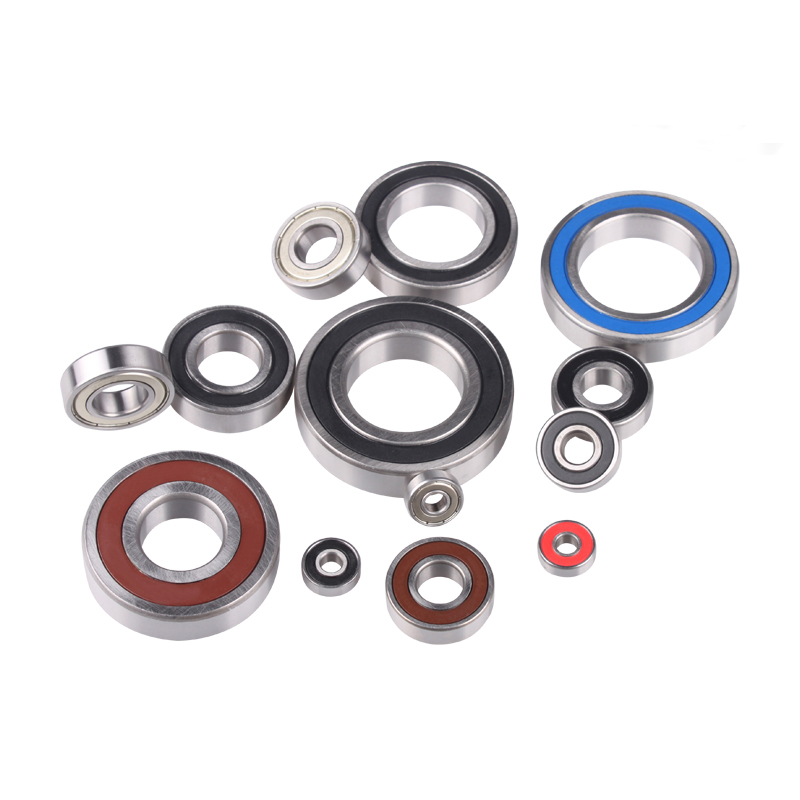
1. High-Temperature Environments
Bearings generate heat through friction, and in many industrial applications, they are exposed to external heat sources. As the inner ring, outer ring, and rolling elements heat up, they expand. If a C0 bearing is used in a high-heat application, thermal expansion can eliminate the internal clearance entirely, leading to metal-to-metal contact, extreme friction, and rapid failure. C3 provides the necessary thermal buffer.
2. Heavy Interference Fits
When a bearing is pressed onto a solid steel shaft with a tight interference fit, the inner ring expands. This expansion directly eats into the internal clearance. If the interference is heavy enough, a C0 bearing may end up with zero or negative clearance once mounted. C3 compensates for the clearance lost during mounting.
3. High Vibration and Shock Loads
In applications like vibrating screens or heavy-duty conveyors, the dynamic forces can cause the rolling elements to skid if the clearance is too tight. C3 allows for slight elastic deformation of the bearing rings under heavy loads without binding.
The Hidden Costs of Choosing the Wrong Clearance
Selecting the wrong clearance is a costly mistake. The table below outlines the specific failure modes associated with incorrect selection.
| If You Choose… | But The Application Requires… | The Likely Result |
|---|---|---|
| C0 | C3 | Thermal Binding: Bearing seizes, overheats, and fails prematurely due to lack of thermal expansion space. |
| C3 | C0 | Excessive Vibration: Bearing runs noisily, experiences increased fatigue, and may suffer from rolling element skidding under light loads. |
Pro Tip: Never use C3 clearance as a “safe default” for standard applications. The extra space in a C3 bearing can cause the rolling elements to skid under light loads, leading to surface distress and premature fatigue failure. If your application runs at normal temperatures with standard fits, C0 is almost always the superior choice for longevity and quiet operation.
How to Verify Your Clearance Needs
As a responsible bearing supplier, we recommend a systematic approach to clearance selection:
- Calculate the Mounting Clearance Reduction: Use standard engineering formulas to determine how much clearance is lost based on your shaft and housing tolerances.
- Estimate Operating Temperature Differential: Determine the expected temperature difference between the inner and outer rings during operation.
- Determine Required Operating Clearance: For optimal life, bearings typically require a small positive operating clearance (usually between 0.002 mm and 0.005 mm for standard sizes).
- Select the Initial Clearance Class: Choose C0, C3, or C4 so that the remaining clearance after mounting and thermal expansion falls within the optimal operating range.
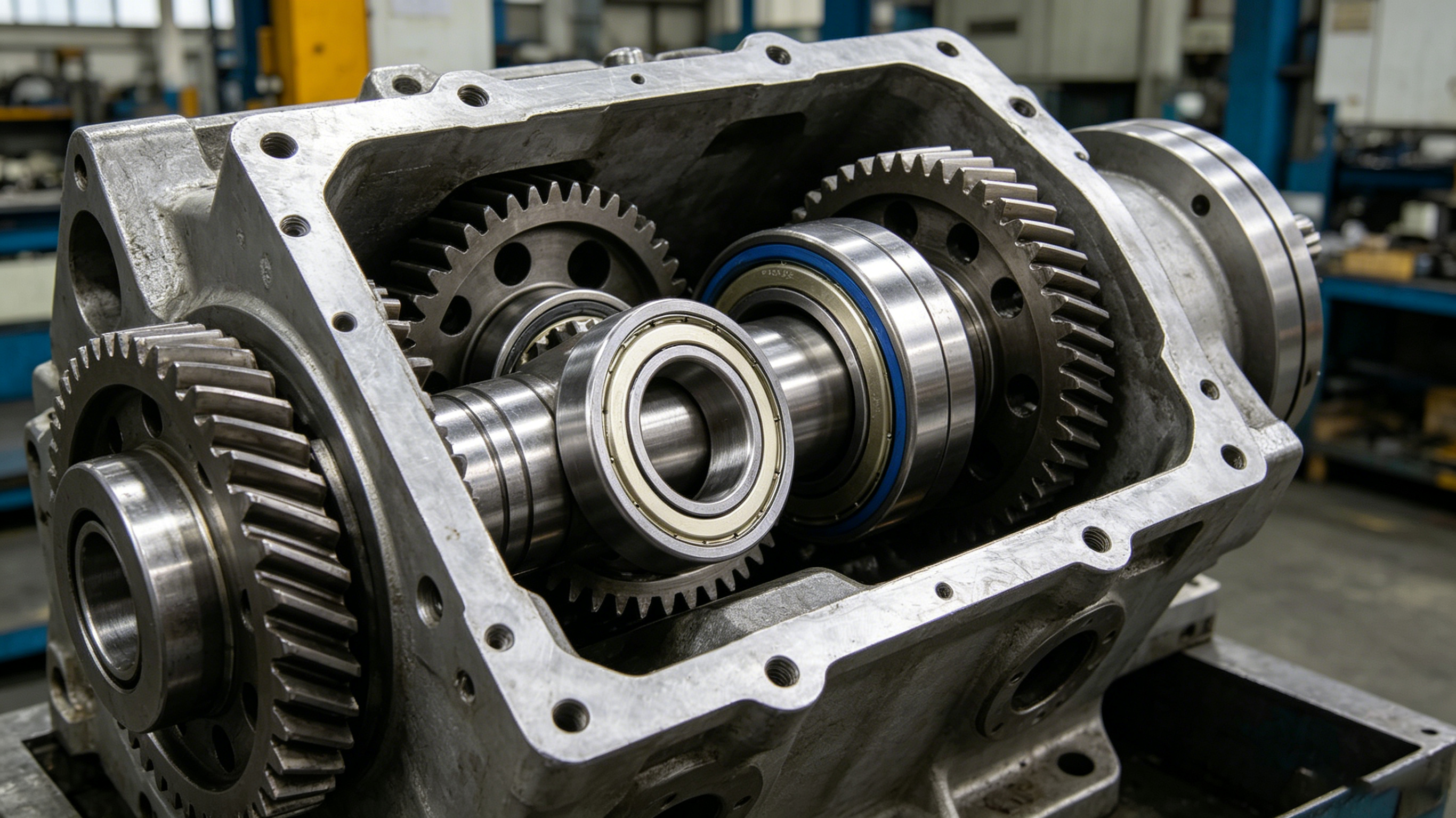 Final Thoughts: Precision Over Guesswork
The choice between C0 and C3 is not a matter of preference; it is a matter of physics. C0 is the gold standard for general-purpose industrial machinery, offering the best balance of load distribution, noise reduction, and fatigue life. C3 is a specialized tool designed to survive the harsh realities of heat, tight fits, and heavy vibration.
At our company, we don’t just sell bearings; we provide engineered solutions. If you are unsure about your clearance requirements, do not guess. Provide our technical team with your operating temperatures, shaft/housing fits, and load conditions. We will help you calculate the exact clearance class your application demands, ensuring maximum uptime and return on investment.
Frequently Asked Questions (FAQ)
Q: What is the main difference between C0 and C3 clearance?
A: C0 is the standard internal clearance, while C3 is greater than standard. C3 provides extra space to accommodate thermal expansion and heavy interference fits.
A: C0 is the standard internal clearance, while C3 is greater than standard. C3 provides extra space to accommodate thermal expansion and heavy interference fits.
Q: Can I use C3 clearance as a default for all applications?
A: No. Using C3 in standard applications can cause excessive vibration, noise, and premature fatigue failure under light loads.
A: No. Using C3 in standard applications can cause excessive vibration, noise, and premature fatigue failure under light loads.
Q: When should I definitely choose C3 over C0?
A: Choose C3 for high-temperature environments, heavy interference fits, or applications with high vibration and shock loads.
A: Choose C3 for high-temperature environments, heavy interference fits, or applications with high vibration and shock loads.
Q: Does a larger clearance mean a longer bearing life?
A: Not necessarily. A larger clearance only improves life in harsh conditions. In normal conditions, C0 provides the best load distribution and longevity.
A: Not necessarily. A larger clearance only improves life in harsh conditions. In normal conditions, C0 provides the best load distribution and longevity.
Q: How does an interference fit affect clearance?
A: Pressing a bearing onto a shaft expands the inner ring, which reduces the internal clearance. C3 compensates for this loss.
A: Pressing a bearing onto a shaft expands the inner ring, which reduces the internal clearance. C3 compensates for this loss.
Q: What happens if my operating clearance drops to zero?
A: The bearing will experience extreme friction, overheating, metal-to-metal contact, and rapid catastrophic failure (thermal binding).
Post time: Jun-30-2026