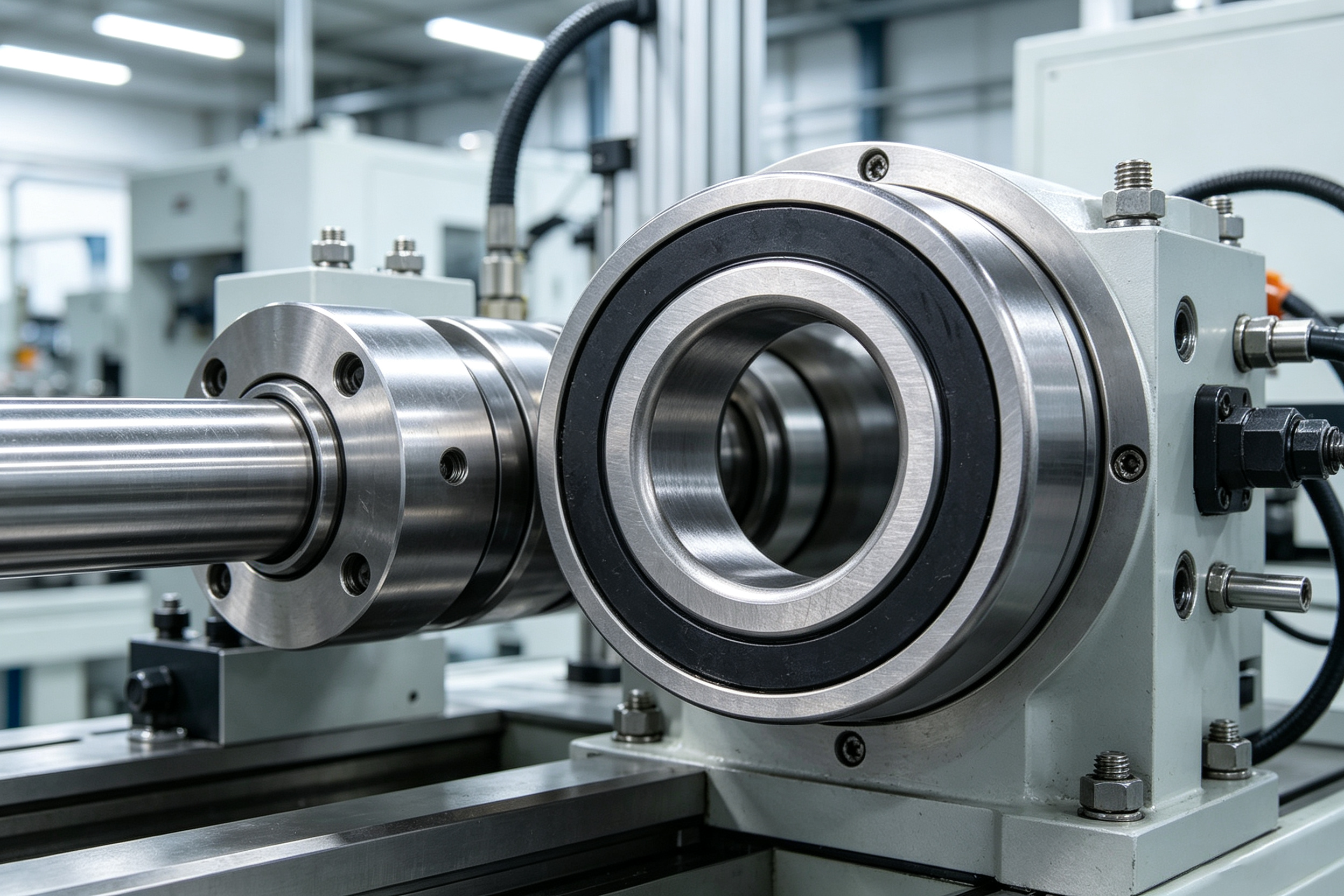
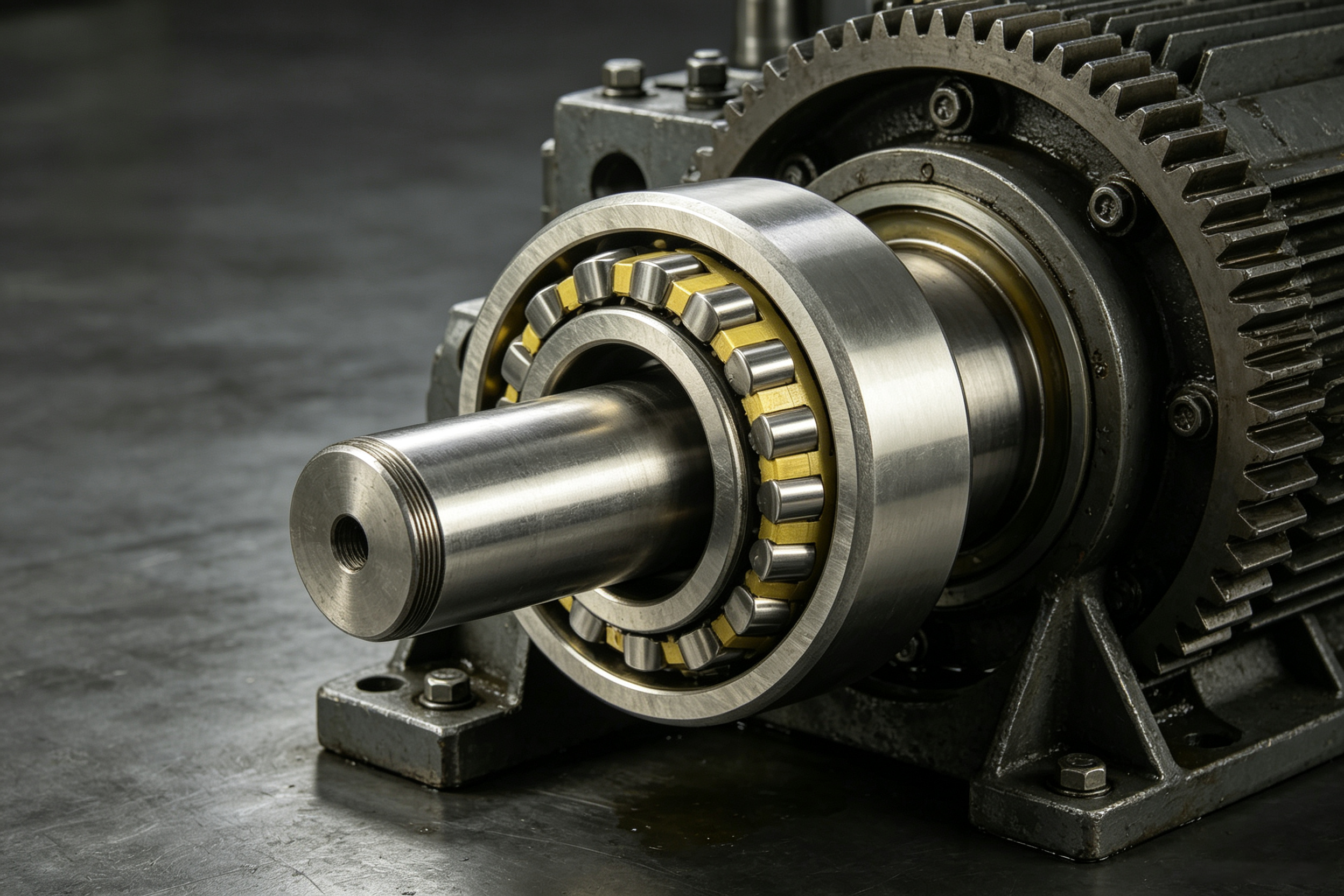
In the rapidly evolving landscape of Industry 4.0, high-speed conveyor systems serve as the central arteries of modern manufacturing, logistics, and automated material handling. From e-commerce fulfillment centers to automotive assembly lines, these systems are tasked with moving goods with unprecedented speed, precision, and reliability. At the core of this seamless automation lies a critical, yet often overlooked, component: the bearing. As the true “heart” of these systems, bearings dictate the operational efficiency, energy consumption, and overall lifespan of conveyor infrastructure. For facility managers and engineers, understanding the latest advancements in bearing technology is no longer optional—it is essential for maintaining a competitive edge.
The Demands of Modern High-Speed Conveyors
High-speed conveyors operate under a unique set of mechanical stresses. Unlike traditional low-speed bulk material handling, automated systems require components that can sustain high rotational speeds, manage dynamic loads during rapid acceleration and deceleration, and maintain micron-level precision. Furthermore, these systems often operate continuously, making unplanned downtime financially devastating.
The primary challenges in these environments include:
- Friction and Heat Generation: High speeds inherently generate more friction and heat, which can degrade lubricants and accelerate wear.
- Contamination: Dust, debris, and moisture are constant threats that can infiltrate bearing housings, leading to premature failure.
- Misalignment: In long conveyor runs, thermal expansion and structural settling can cause shaft misalignment, placing uneven stress on bearings.
- Maintenance Accessibility: In highly automated, densely packed systems, physical access for routine maintenance is often limited or impossible.
Addressing these challenges requires a strategic approach to bearing selection, moving beyond basic specifications to consider total lifecycle performance.
Strategic Bearing Selection for Peak Performance
Choosing the right bearing is a balance of load capacity, speed capability, and environmental resistance. The following table outlines common bearing types and their ideal applications within high-speed conveyor systems:
| Bearing Type |
Key Characteristics |
Ideal Conveyor Application |
| Deep Groove Ball Bearings |
Low friction, high-speed capability, versatile |
Light-to-medium load rollers, sorting diverts, packaging lines |
| Spherical Roller Bearings |
High load capacity, self-aligning, robust |
Drive rollers, heavy-duty transfer points, long-distance conveyors |
| Tapered Roller Bearings |
Handles combined radial & axial loads |
Inclined conveyors, high-thrust applications, curved sections |
| Self-Lubricating Polymer Bearings |
No external lubrication, corrosion-resistant |
Food & beverage, cleanrooms, washdown environments |
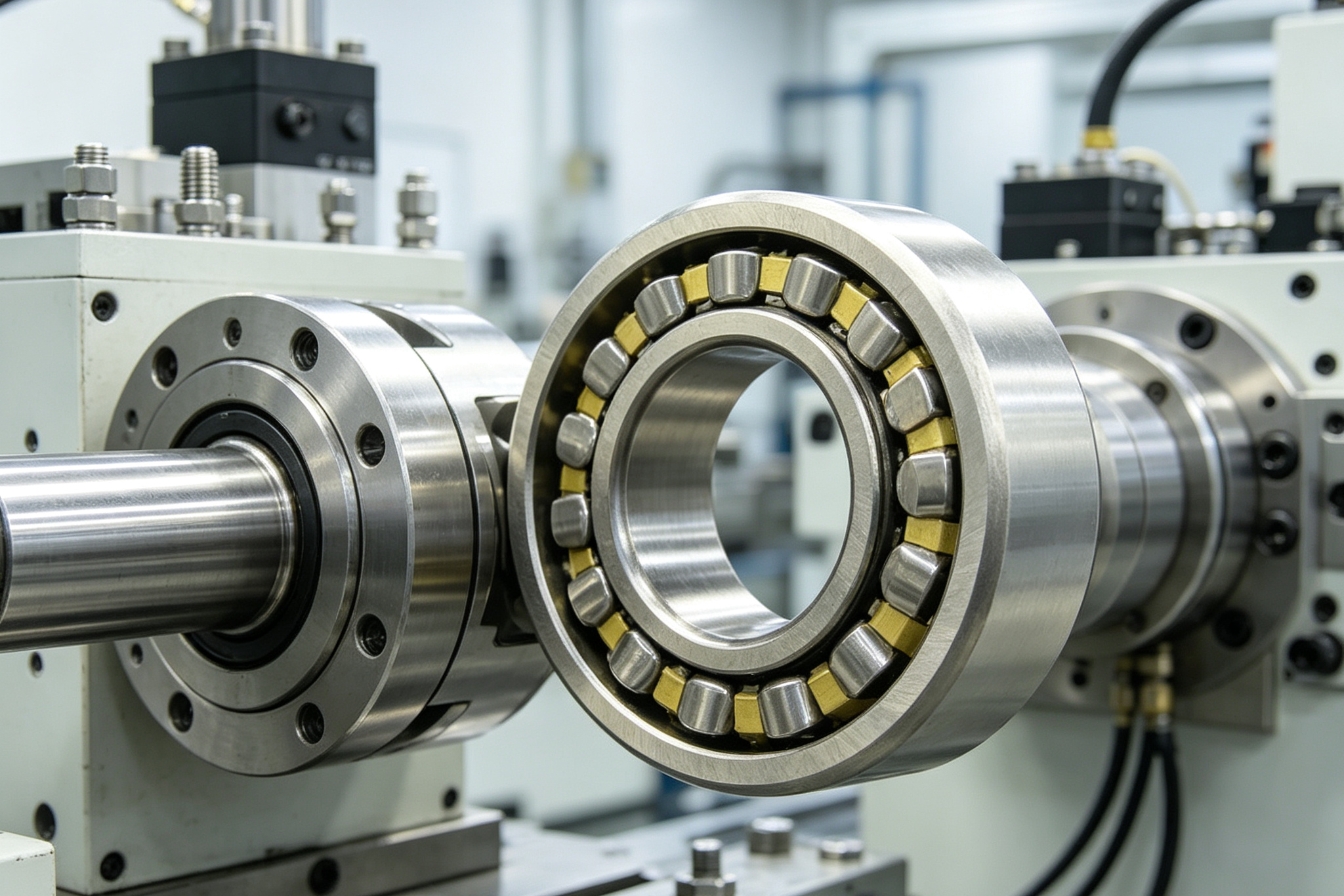
As illustrated, no single bearing type is a universal solution. For instance, SKF’s Sealed Energy Efficient (E2) deep groove ball bearings are engineered specifically to reduce frictional moments by over 30% compared to standard sealed bearings. This reduction not only cuts power requirements but also allows the bearing to run 5-15°C cooler, significantly extending grease life and service intervals in light-to-medium load applications like electric motors and escalators. Conversely, for the heavy-hitting drive rollers of a long-distance conveyor, spherical roller bearings are indispensable. Their self-aligning capability accommodates shaft deflections and misalignment caused by thermal elongation, preventing the internal thrust loads that plague traditional dual-bearing arrangements and drastically reducing service life.
The Critical Role of Sealing and Lubrication
Even the most precisely engineered bearing will fail prematurely if compromised by contamination or inadequate lubrication. Industry data consistently shows that contamination and lubrication failures account for more than half of all bearing failures in industrial applications. Therefore, sealing and lubrication must be considered integral parts of the bearing system, not afterthoughts.
Modern sealing solutions have evolved far beyond simple metal shields. Advanced multi-lip contact seals, often reinforced with steel inserts and made from low-friction elastomers like NBR, provide a formidable barrier against contaminants while minimizing the drag that generates heat. In extreme environments, such as mining or aggregate handling, specialized solutions like the SKF Taconite seal are combined with multi-barrier housing designs to block high-pressure water and abrasive dust, reducing the required lubrication volume by up to 90%.
Lubrication strategy is equally critical. The trend is decisively moving toward sealed-for-life or maintenance-free solutions. High-quality, synthetic greases with specialized additives can withstand extreme temperatures and resist oxidation, ensuring reliable performance for the entire designed life of the bearing. For applications where lubricant leakage is unacceptable, such as in food processing or pharmaceuticals, self-lubricating polymer bearings offer a revolutionary alternative. These bearings, which utilize materials like graphite/metal alloys, provide a constant, low coefficient of friction without any external grease or oil, eliminating the risk of product contamination and the cost of scheduled re-lubrication.
| Failure Cause |
Primary Consequence |
Modern Mitigation Strategy |
| Contamination Ingress |
Abrasive wear, pitting, seizure |
Advanced multi-lip seals, labyrinth seals, protective housings |
| Lubricant Degradation |
Increased friction, overheating, wear |
High-temp synthetic greases, sealed-for-life designs |
| Shaft Misalignment |
Uneven load distribution, premature fatigue |
Self-aligning spherical roller bearings, flexible couplings |
| Improper Installation |
Brinelling, cage damage, early failure |
Precision mounting tools, pre-greased & sealed units |
Embracing Intelligence: The Future of Conveyor Reliability
The next frontier in conveyor reliability is predictive maintenance, powered by integrated sensing and artificial intelligence. The era of reactive “run-to-failure” or rigid time-based maintenance is ending. Today’s smart bearings and monitoring systems can provide a continuous stream of data on vibration, temperature, and acoustic emissions.
Platforms like SKF Enlight AI and Schaeffler’s ConditionAnalyzer use automated machine learning (AutoML) to analyze this vast amount of data, identifying subtle patterns that precede a failure. Instead of a simple alarm, these systems provide actionable insights, such as “inner race defect detected, severity: medium, recommended action: schedule replacement within 30 days.” This transforms maintenance from a cost center into a strategic reliability function, allowing facility managers to plan downtime during scheduled breaks and avoid catastrophic, production-halting failures.
Furthermore, emerging technologies like magnetic bearings are beginning to enter the high-speed conveyor space. By levitating the shaft magnetically, these bearings eliminate mechanical contact, friction, and the need for lubrication entirely. While currently more prevalent in specialized high-speed drives, their potential for ultra-clean, zero-maintenance conveyor applications in semiconductor or pharmaceutical manufacturing is immense, promising to increase system efficiency by 30-50% while virtually eliminating lifecycle costs associated with wear.
Conclusion: A Strategic Investment in Uptime
In high-speed automated conveyor systems, bearings are far more than simple mechanical components; they are strategic assets that directly impact operational profitability. The decision to invest in high-performance, properly sealed, and intelligently monitored bearings is a decision to invest in uptime, energy efficiency, and long-term cost savings.
As automation continues to accelerate, the demands on these critical components will only grow. By partnering with bearing manufacturers who demonstrate deep application expertise, a commitment to R&D in tribology and materials science, and a forward-looking approach to digitalization, companies can ensure their conveyor systems remain the reliable heart of their automated operations for years to come. The future of automation is not just about moving faster; it’s about moving smarter, and that journey begins with the right bearing.
Frequently Asked Questions (FAQ)
Q1: Why are bearings considered the “heart” of high-speed conveyor systems?
A: Bearings dictate the system’s operational efficiency, energy consumption, and overall lifespan. They manage friction, support dynamic loads, and ensure precision at high speeds.
Q2: Which bearing type is best for high-speed, light-load applications?
A: Deep groove ball bearings are ideal due to their low friction, high-speed capability, and versatility.
Q3: How do I prevent premature bearing failure?
A: Focus on advanced sealing solutions to block contaminants and use high-quality synthetic greases or sealed-for-life designs to prevent lubricant degradation.
Q4: What is the benefit of self-aligning bearings?
A: They accommodate shaft misalignment caused by thermal expansion or structural settling, preventing uneven load distribution and extending service life.
Q5: Are there maintenance-free bearing options?
A: Yes. Self-lubricating polymer bearings require no external grease, making them perfect for cleanrooms and food processing environments.
Q6: How does AI improve conveyor reliability?
A: Smart sensors and AI platforms analyze vibration and temperature data to predict failures before they happen, enabling proactive maintenance and avoiding costly downtime.
Post time: Sep-04-2026