


The global manufacturing sector is undergoing a profound transformation, and the bearing industry is no exception. As industries worldwide prioritize environmental responsibility, sustainability in bearing manufacturing has evolved from a niche preference to an absolute necessity. This green revolution is not merely about regulatory compliance; it represents a strategic shift toward energy efficiency, resource optimization, and circular economy principles. For modern manufacturers, integrating eco-friendly practices into the production of precision components is the key to driving both ecological and economic value.
The Core Pillars of Green Bearing Manufacturing
Sustainable bearing manufacturing is a holistic approach that encompasses the entire product lifecycle. It is built upon the “Five Greens” framework: green design, green production, green packaging, green transportation, and green usage/maintenance. This comprehensive strategy ensures that environmental considerations are embedded at every stage, from the initial engineering phase to the end-of-life recycling process.
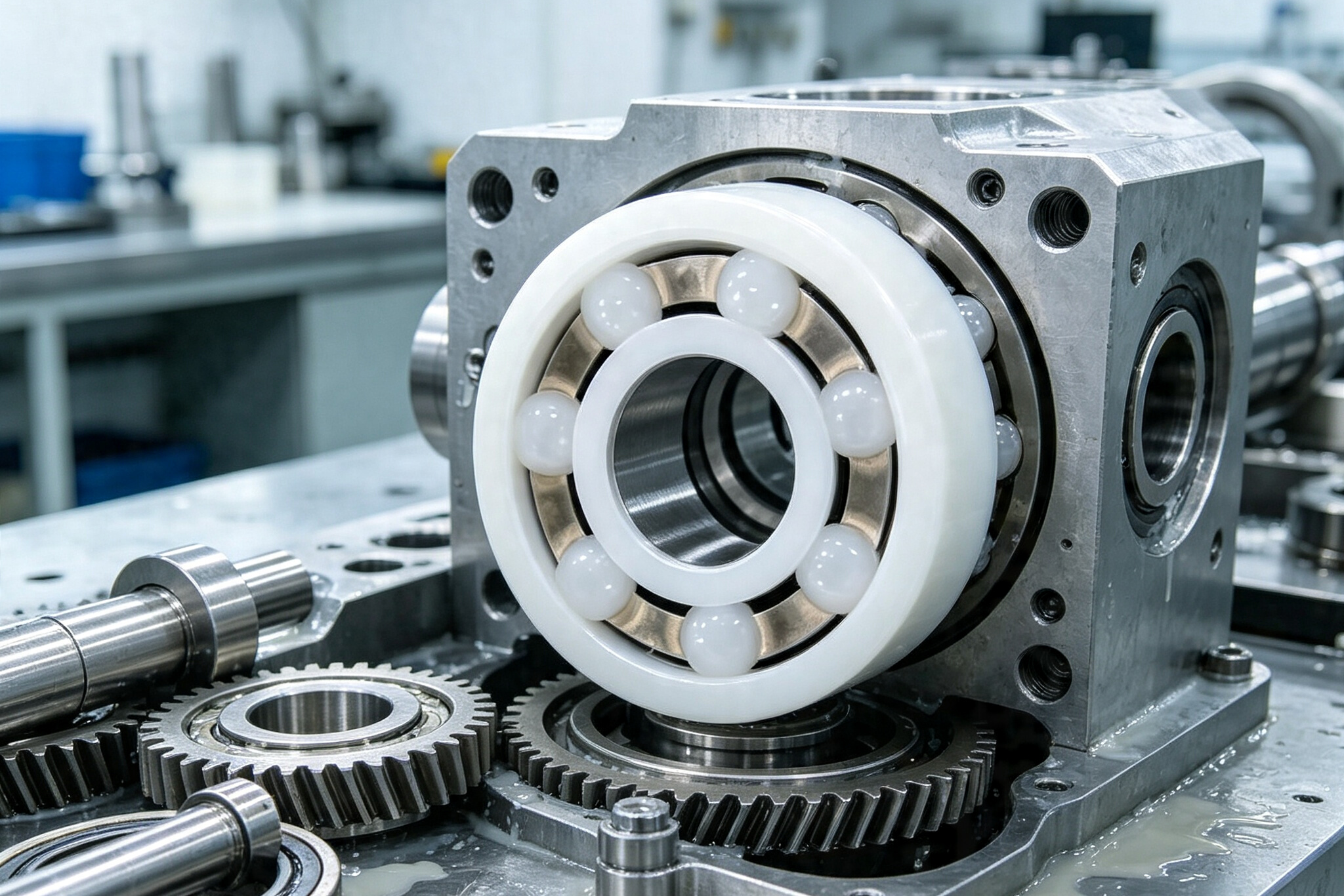
At the heart of this revolution is Green Design (Design for Environment, DFE). Engineers are now tasked with optimizing bearing functionality while minimizing environmental impact. This involves selecting advanced, lightweight materials such as ceramic hybrids and high-performance polymers. These materials not only reduce the overall weight of vehicles and machinery—thereby improving fuel efficiency and reducing carbon emissions—but also offer superior corrosion resistance and longevity.
Furthermore, the manufacturing process itself is being reimagined. Traditional machining is being replaced or supplemented by innovative techniques like hard turning followed by surface rolling. This advanced process can reduce manufacturing costs by up to 45% while simultaneously extending the service life of the bearing by a factor of five. Such innovations exemplify how sustainability and operational excellence are inextricably linked.
Industry 4.0: The Digital Enabler of Sustainability
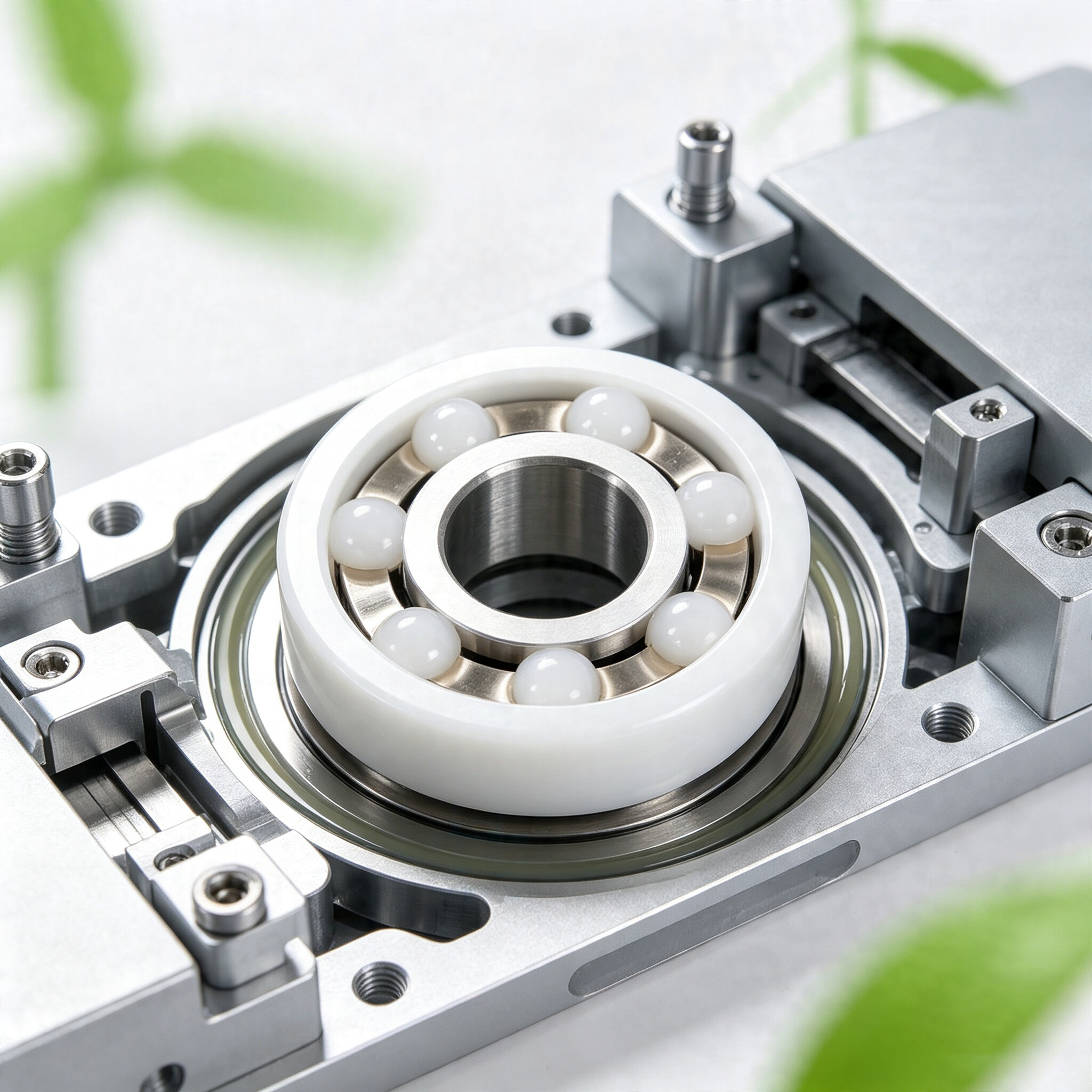
The integration of Industry 4.0 technologies is the catalyst accelerating the green revolution in bearing manufacturing. Digital transformation provides the transparency and control necessary to achieve ambitious sustainability targets. Smart factories leverage real-time data analytics, automated quality control, and IoT-connected machinery to optimize energy consumption and minimize waste.
| Technological Driver | Application in Bearing Manufacturing | Sustainability Impact |
|---|---|---|
| IoT & Smart Sensors | Real-time monitoring of temperature, vibration, and load during production and operation. | Enables predictive maintenance, drastically reducing unplanned downtime and extending product lifespan. |
| Data Analytics & AI | Processing vast amounts of production data to identify inefficiencies. | Optimizes energy usage in factories, reduces material waste, and ensures 100% quality inspection. |
| Advanced Materials | Utilization of ceramic hybrids and high-performance polymers. | Lightweighting reduces energy consumption in end-use applications like electric vehicles. |
| Circular Economy Models | Designing for disassembly and utilizing recycled raw materials. | Minimizes landfill waste and reduces the carbon footprint associated with virgin material extraction. |
By bridging the gap between the physical and digital worlds, manufacturers can track the material flow, energy flow, and information flow with unprecedented precision. This digital traceability not only enhances supply chain transparency but also reinforces trust with Original Equipment (OE) partners who demand verifiable sustainability credentials.
The TQCSE Model: Balancing Performance and Planet
In the pursuit of sustainability, bearing manufacturers must ensure that environmental gains do not come at the expense of core performance metrics. The industry has adopted the TQCSE Model to evaluate the comprehensive impact of green manufacturing. This framework ensures that sustainability is treated as a strategic business decision that delivers tangible value.
| TQCSE Dimension | Definition in Green Bearing Manufacturing | Business & Environmental Benefit |
|---|---|---|
| Time (T) | Optimized development cycles and faster time-to-market for green products. | Accelerates innovation and responsiveness to market demands for sustainable solutions. |
| Quality (Q) | Unwavering adherence to OE specifications through 100% automated inspection. | Ensures reliability and safety, preventing premature failures and associated waste. |
| Cost (C) | Resource efficiency and waste reduction lowering overall production expenses. | Directly improves profit margins while decreasing the environmental tax burden. |
| Service (S) | Enhanced product lifespan and predictive maintenance capabilities. | Provides superior value to customers and reduces the total cost of ownership. |
| Environment (E) | Maximizing resource utilization and minimizing negative ecological impact. | Fulfills corporate social responsibility and aligns with global climate goals. |
This model demonstrates that green manufacturing is not a zero-sum game. By maximizing resource utilization, companies directly lower their operational costs. Simultaneously, by reducing or eliminating environmental pollution and improving workplace safety, companies enhance their social image and attract top talent. The result is a powerful synergy of economic and social benefits.
Customization and the Future of Eco-Friendly Bearings
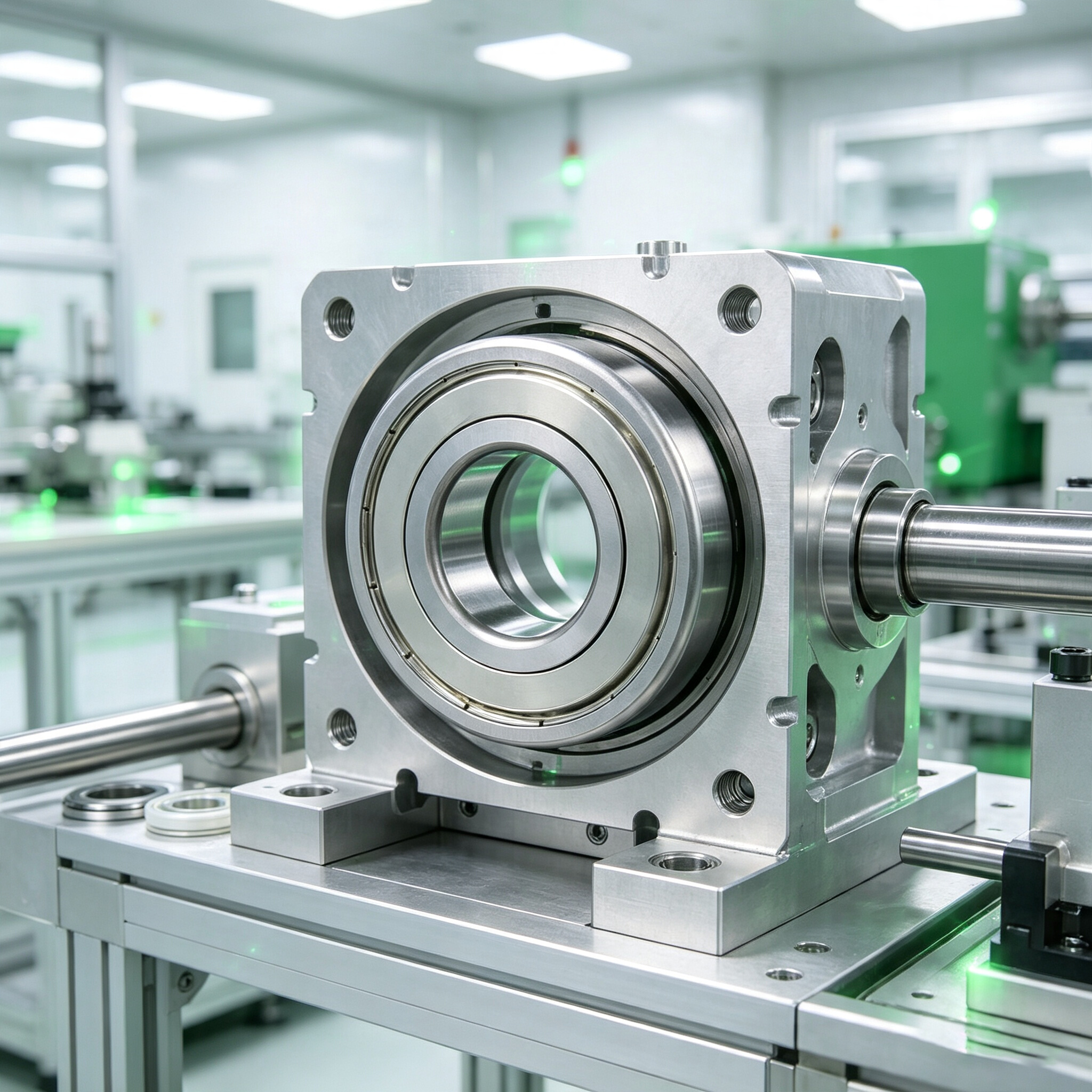
As the market for electric vehicles (EVs) and renewable energy systems expands, the demand for customized, sustainable bearing solutions is surging. EVs, for instance, require bearings that can handle higher rotational speeds and instantaneous torque while operating silently. Green bearing manufacturers are responding by combining innovation with flexibility, developing tailored wheel hub units and specialized roller bearings that meet these exacting standards without compromising on sustainability.
The future of bearing technology hinges on this dual commitment to precision engineering and ecological stewardship. Manufacturers that embrace the green revolution are not just adapting to a new regulatory landscape; they are positioning themselves as leaders in a market that increasingly rewards environmental responsibility. By investing in smart manufacturing, advanced materials, and circular design principles, the bearing industry is proving that high-performance engineering and planetary health can roll forward, together.
Frequently Asked Questions (FAQ)
Q: What is the “Five Greens” framework in bearing manufacturing?
A: It is a holistic approach covering green design, production, packaging, transportation, and usage/maintenance to minimize environmental impact across the entire product lifecycle.
A: It is a holistic approach covering green design, production, packaging, transportation, and usage/maintenance to minimize environmental impact across the entire product lifecycle.
Q: How does Industry 4.0 make bearing manufacturing greener?
A: By using IoT sensors and AI, smart factories optimize energy consumption, reduce material waste, and enable predictive maintenance to extend product lifespans.
A: By using IoT sensors and AI, smart factories optimize energy consumption, reduce material waste, and enable predictive maintenance to extend product lifespans.
Q: What is the TQCSE model?
A: It is an evaluation framework that balances Time, Quality, Cost, Service, and Environment, ensuring sustainability efforts also deliver strong business value.
A: It is an evaluation framework that balances Time, Quality, Cost, Service, and Environment, ensuring sustainability efforts also deliver strong business value.
Q: How do advanced materials contribute to sustainability?
A: Lightweight materials like ceramic hybrids and polymers reduce overall equipment weight, which improves fuel efficiency and lowers carbon emissions in end-use applications.
A: Lightweight materials like ceramic hybrids and polymers reduce overall equipment weight, which improves fuel efficiency and lowers carbon emissions in end-use applications.
Q: Is green manufacturing more expensive?
A: Not necessarily. Resource efficiency and waste reduction often lower operational costs, while extended product lifespans reduce the total cost of ownership for customers.
A: Not necessarily. Resource efficiency and waste reduction often lower operational costs, while extended product lifespans reduce the total cost of ownership for customers.
Post time: Jul-17-2026