


In the world of mechanical engineering and industrial manufacturing, the bearing is the unsung hero. It dictates the efficiency, lifespan, and reliability of your machinery. For decades, chrome steel has been the undisputed king of bearing materials. However, the advent of advanced ceramic materials—particularly silicon nitride (Si₃N₄)—has sparked a revolution in precision engineering.
For procurement managers, engineers, and maintenance teams, the choice between steel and ceramic bearings is no longer just about budget; it’s about optimizing performance for specific operational demands. This guide breaks down the technical nuances, performance metrics, and economic implications to help you make an informed, expert-level decision for your application.
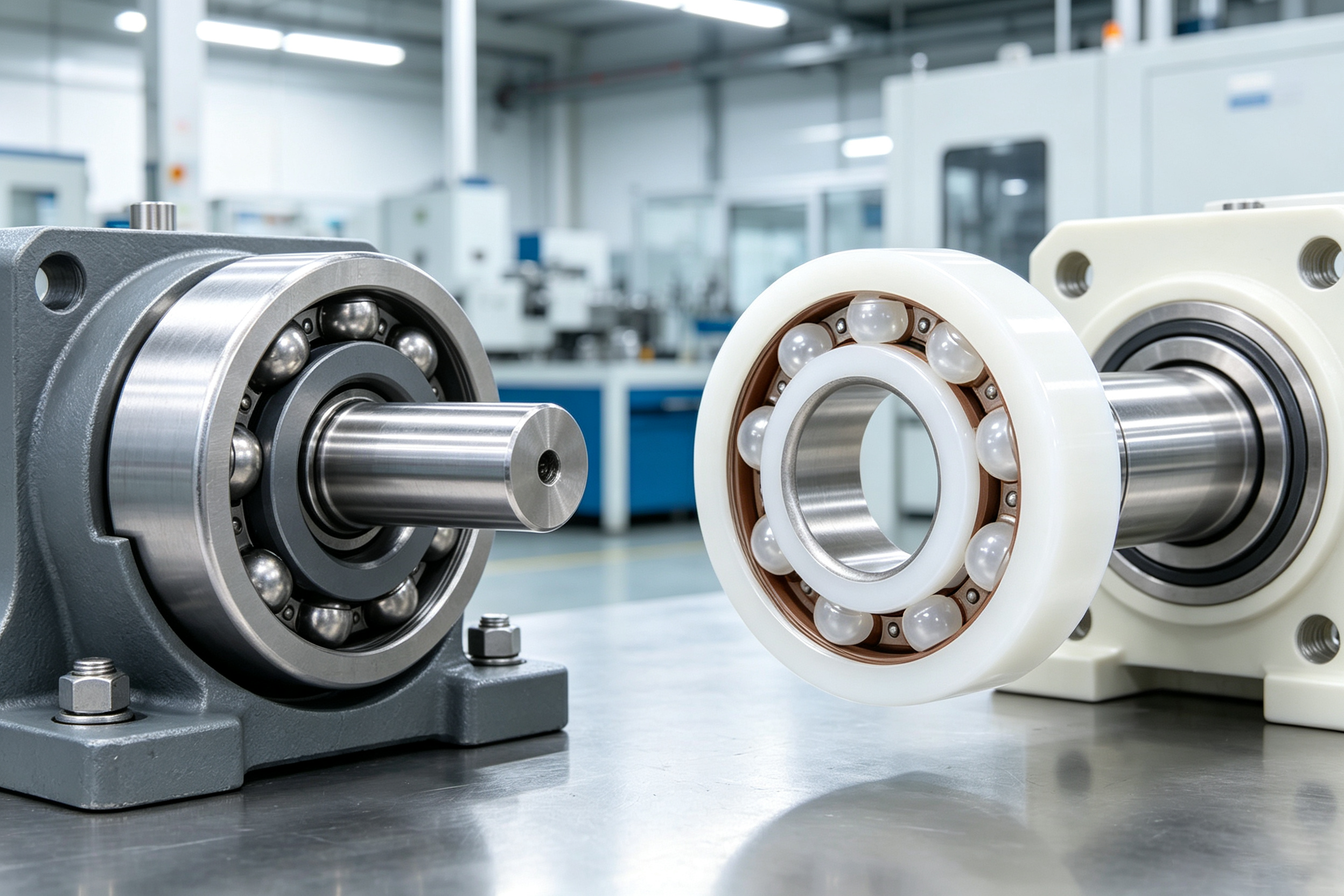
The Material Science: Steel vs. Ceramic
To understand the performance differences, we must first look at the fundamental material properties. Steel bearings, typically made from high-carbon chrome steel (AISI 52100), offer a proven balance of toughness and load-carrying capacity. In contrast, ceramic bearings utilize engineering ceramics like silicon nitride, which boasts a unique covalent bonding structure that provides exceptional hardness and thermal stability.
Here is a direct comparison of their core physical properties:
| Property | Steel Bearings (AISI 52100) | Ceramic Bearings (Si₃N₄) | Operational Impact |
|---|---|---|---|
| Density | ~7.8 g/cm³ | ~3.2 g/cm³ (40% lighter) | Reduced centrifugal force at high speeds. |
| Hardness | 700-800 HV | 1400-1600 HV | Superior wear resistance and longer life. |
| Thermal Expansion | ~12 × 10⁻⁶/K | ~3 × 10⁻⁶/K | Maintains precise preload under heat. |
| Max Temp Limit | 150°C – 200°C | 800°C – 1000°C | Unmatched performance in extreme heat. |
| Electrical Conductivity | Conductive | Insulating | Prevents electrical erosion (fluting). |
Performance in Extreme Conditions
High-Speed and High-Temperature Environments
When rotational speeds increase, centrifugal forces push steel balls outward, increasing friction and heat generation. Because ceramic balls are 40% lighter, they generate significantly less centrifugal force. This allows ceramic hybrid bearings to operate at speeds up to 50% higher than their all-steel counterparts while running cooler. Furthermore, ceramics maintain their structural integrity at temperatures that would cause steel to lose its temper and fail.
Corrosion and Chemical Resistance
Steel bearings rely on a passive oxide layer for corrosion resistance, which can be compromised by chlorides, acids, or high humidity. Once pitting begins, it acts as a stress concentrator, leading to premature fatigue. Silicon nitride is chemically inert; it does not rust or pit. This makes ceramics the definitive choice for marine applications, chemical processing, and food and beverage industries where washdowns are frequent.
Electrical Insulation
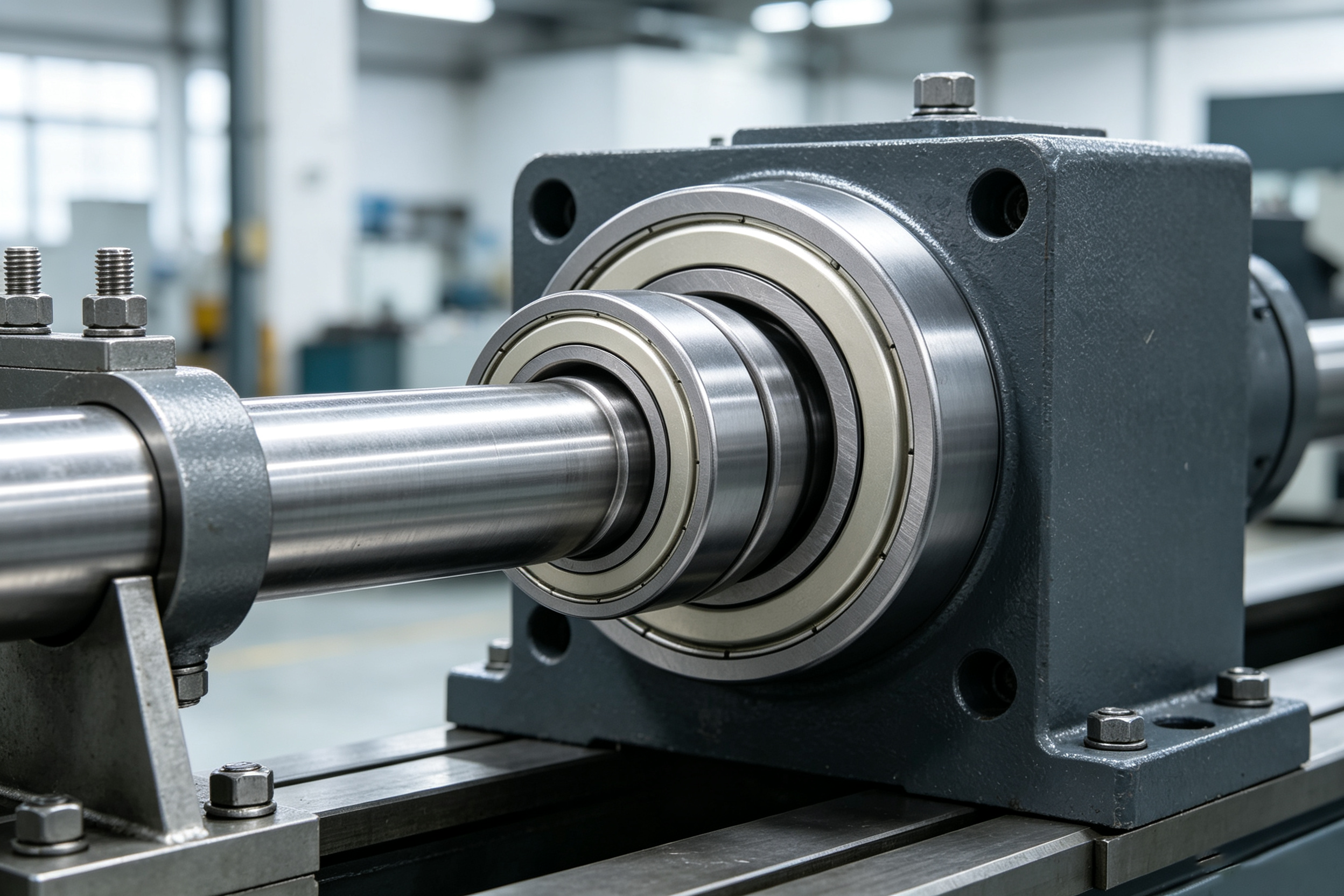
A hidden killer in electric motors and variable frequency drives (VFDs) is stray current. When electricity passes through steel bearings, it causes electrical discharge machining (EDM), resulting in fluting and rapid failure. Ceramic bearings act as electrical insulators, completely blocking current flow and protecting the rolling elements from electrochemical damage.
Load Capacity and Durability Trade-offs
While ceramics excel in speed and harsh environments, they are not a universal replacement for steel. The most critical limitation of ceramic materials is their brittleness. Steel has high fracture toughness, meaning it can absorb shock loads and deform slightly without catastrophic failure. Ceramics, conversely, have low fracture toughness. Under heavy impact loads or misalignment, ceramic balls can crack or shatter.
For heavy-duty machinery, mining equipment, or applications with significant shock loading, steel remains the superior and safer choice. However, for high-precision, continuous-duty applications like CNC spindles, turbochargers, and robotics, the superior fatigue life of ceramics (often 3 to 15 times longer than steel) justifies the investment.
Economic Analysis: Upfront Cost vs. Total Cost of Ownership (TCO)
The most common hesitation regarding ceramic bearings is the initial price tag. Ceramic hybrid bearings can cost 3 to 5 times more than standard steel bearings. However, evaluating them solely on upfront cost is a flawed financial metric.
| Cost Factor | Steel Bearings | Ceramic Bearings | Long-Term Financial Impact |
|---|---|---|---|
| Initial Purchase | Low | High | Higher CapEx for ceramics. |
| Maintenance Frequency | High | Low | Reduced labor and downtime costs. |
| Lubrication Needs | High dependency | Low dependency | Savings on grease and re-lubrication. |
| Replacement Cycle | Standard | 3x – 15x Longer | Massive reduction in spare parts inventory. |
| Energy Consumption | Standard | Lower Friction | Reduced operational energy bills. |
When calculating the Total Cost of Ownership, ceramic bearings frequently offer a higher Return on Investment (ROI). The extended service life, reduced unplanned downtime, and lower energy consumption often pay back the initial premium within the first year of operation in demanding applications.
Maintenance Considerations
Maintaining ceramic bearings requires a shift in mindset. Because ceramics are harder than steel, any contamination in the lubricant will damage the steel raceway before it damages the ceramic ball. Therefore, cleanliness during installation is paramount.
When cleaning, avoid aggressive mechanical scrubbing or harsh solvents that could chip the ceramic surface. Ultrasonic cleaning is highly recommended for ceramics. Additionally, while ceramics can operate with less lubrication, using high-quality synthetic greases with anti-wear additives ensures the steel raceways are protected, maximizing the life of the entire hybrid assembly.
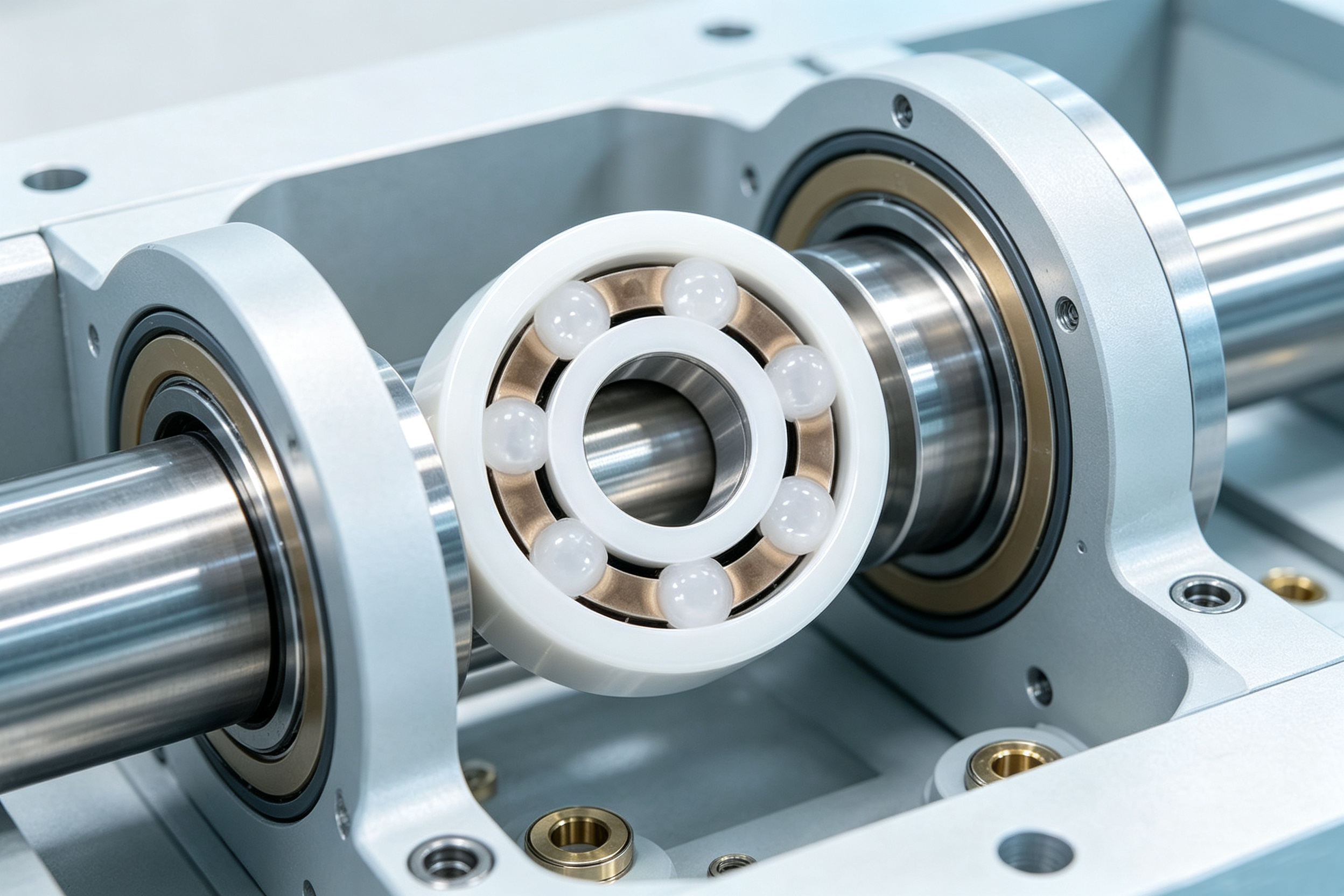
The Verdict: Choosing the Right Bearing for Your Application
So, which bearing is right for you? The answer lies in matching the material to the operational reality.
Choose Steel Bearings If:
- Your application involves heavy shock loads or extreme overloading.
- Budget constraints are the primary driver.
- Operating temperatures remain below 150°C.
- Speeds are moderate, and precision requirements are standard.
- The environment is relatively clean and dry.
Choose Ceramic (Hybrid) Bearings If:
- You require high-speed operation with minimal heat generation.
- The environment is corrosive, highly humid, or requires frequent washdowns.
- Stray electrical currents are present (e.g., VFD motors).
- You need to extend maintenance intervals and reduce downtime.
- Weight reduction is critical (e.g., robotics, aerospace, racing).
- Precision and rigidity are paramount (e.g., CNC machining, medical devices).
Conclusion
The transition from steel to ceramic bearings represents a shift from traditional mechanical design to advanced performance engineering. While steel remains the workhorse of general industry, ceramic hybrid bearings offer a technological leap for applications pushing the boundaries of speed, temperature, and reliability.
By understanding the distinct material properties, load limitations, and economic trade-offs, you can move beyond the sticker price and make a strategic decision that enhances machine performance, reduces total operating costs, and ensures long-term operational excellence. Always consult with bearing specialists to validate your specific load, speed, and environmental parameters before making the final selection.
Frequently Asked Questions (FAQ)
Are ceramic bearings better than steel?
Yes, for high-speed, high-temperature, or corrosive environments. However, steel is better for heavy shock loads and strict budgets.
Yes, for high-speed, high-temperature, or corrosive environments. However, steel is better for heavy shock loads and strict budgets.
How long do ceramic bearings last compared to steel?
Ceramic hybrid bearings typically last 3 to 15 times longer than steel bearings due to lower friction and superior wear resistance.
Ceramic hybrid bearings typically last 3 to 15 times longer than steel bearings due to lower friction and superior wear resistance.
Can I use ceramic bearings in heavy-duty machinery?
No. Ceramics are brittle and can shatter under heavy shock loads. Steel bearings are much safer for high-impact applications.
No. Ceramics are brittle and can shatter under heavy shock loads. Steel bearings are much safer for high-impact applications.
Why are ceramic bearings so expensive?
The high cost is due to complex manufacturing and premium materials. However, they often provide a higher ROI through extended lifespan and reduced downtime.
The high cost is due to complex manufacturing and premium materials. However, they often provide a higher ROI through extended lifespan and reduced downtime.
Do ceramic bearings require special maintenance?
Yes. They require strict cleanliness during installation. Ultrasonic cleaning is recommended, and high-quality synthetic grease is essential to protect the steel raceways.
Yes. They require strict cleanliness during installation. Ultrasonic cleaning is recommended, and high-quality synthetic grease is essential to protect the steel raceways.
Are ceramic bearings electrically conductive?
No. They are excellent electrical insulators, making them ideal for electric motors to prevent electrical erosion (fluting).
No. They are excellent electrical insulators, making them ideal for electric motors to prevent electrical erosion (fluting).
Post time: Sep-16-2026