


Electric vehicles are quieter, faster, and more efficient than their internal-combustion predecessors, but these advantages also expose new weaknesses in the drivetrain. Without engine noise to mask mechanical sounds, even small sources of friction, vibration, or electrical discharge become noticeable. Bearings, which support rotating shafts in motors, gearboxes, e-axles, and wheel hubs, are now playing a far more strategic role in EV performance. Low-torque bearings are helping automakers reduce energy loss, extend driving range, improve NVH comfort, and protect high-voltage powertrains from electrical damage.
Why EVs Need Different Bearings
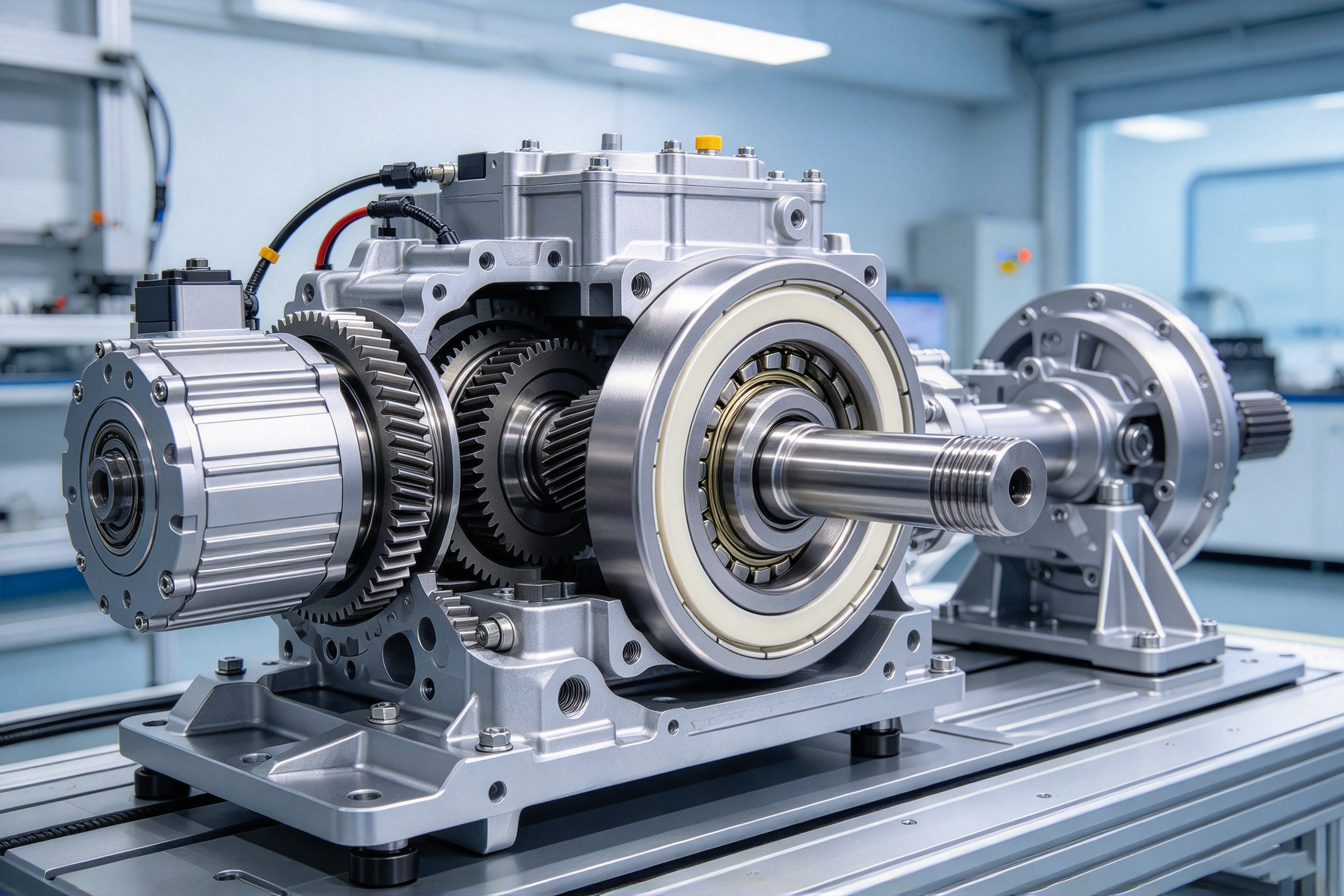
Electric motors operate under conditions that differ sharply from conventional engines. Modern EV traction motors can reach 10,000 to 22,000 RPM, creating higher centrifugal forces, greater heat generation, and faster fatigue cycles. At the same time, high-voltage architectures, especially 800V platforms, increase the risk of stray currents passing through bearing raceways. This can cause electrical pitting, fluting, and premature failure.
Low-torque bearings address these challenges by reducing rotational resistance while maintaining load capacity, sealing performance, and long-term reliability. Because EVs recover and reuse energy through regenerative braking, every reduction in parasitic friction can contribute to measurable efficiency gains.
| EV Challenge | Bearing Impact | Low-Torque Solution |
|---|
| EV Challenge | Bearing Impact | Low-Torque Solution |
|---|---|---|
| High motor speed | Increased friction and heat | Optimized geometry, ceramic hybrids |
| Stray electrical currents | Electrical pitting and noise | Insulated coatings, shunt paths |
| Quiet cabin environment | Bearing noise becomes audible | Precision crowning, low-NVH grease |
| Range targets | Friction reduces efficiency | Low-viscosity grease, advanced seals |
| Compact e-axles | Limited space for cooling and sealing | Integrated hub and e-axle bearings |
How Low-Torque Bearings Improve Efficiency
Friction reduction is the core benefit of low-torque bearings. In EV drivetrains, losses come from rolling resistance, seal drag, grease churning, cage friction, and electrical current leakage. By optimizing internal geometry, seal design, lubrication, and materials, manufacturers can lower the torque required to rotate each bearing assembly.
NTN’s Low Friction Hub Bearing series, for example, uses newly formulated low-torque grease and improved seal designs to reduce rotational friction by up to 64 percent compared with conventional hub bearings. NTN has also demonstrated that improved sealing and lower friction can extend EV range by several kilometers per charge. Schaeffler’s Tapered Roller Unit technology reduces friction by removing the need for traditional preload arrangements, while its insulated and shunt-bearing designs help manage electrical currents in high-voltage e-axles.
These improvements matter because EV efficiency is cumulative. A single bearing may save only a small amount of energy, but a typical electric vehicle contains many bearings across the motor, gearbox, differential, compressor, and wheel ends. Reducing friction across all of these points helps lower energy consumption without increasing battery size.
Silent Drivetrains and NVH Performance
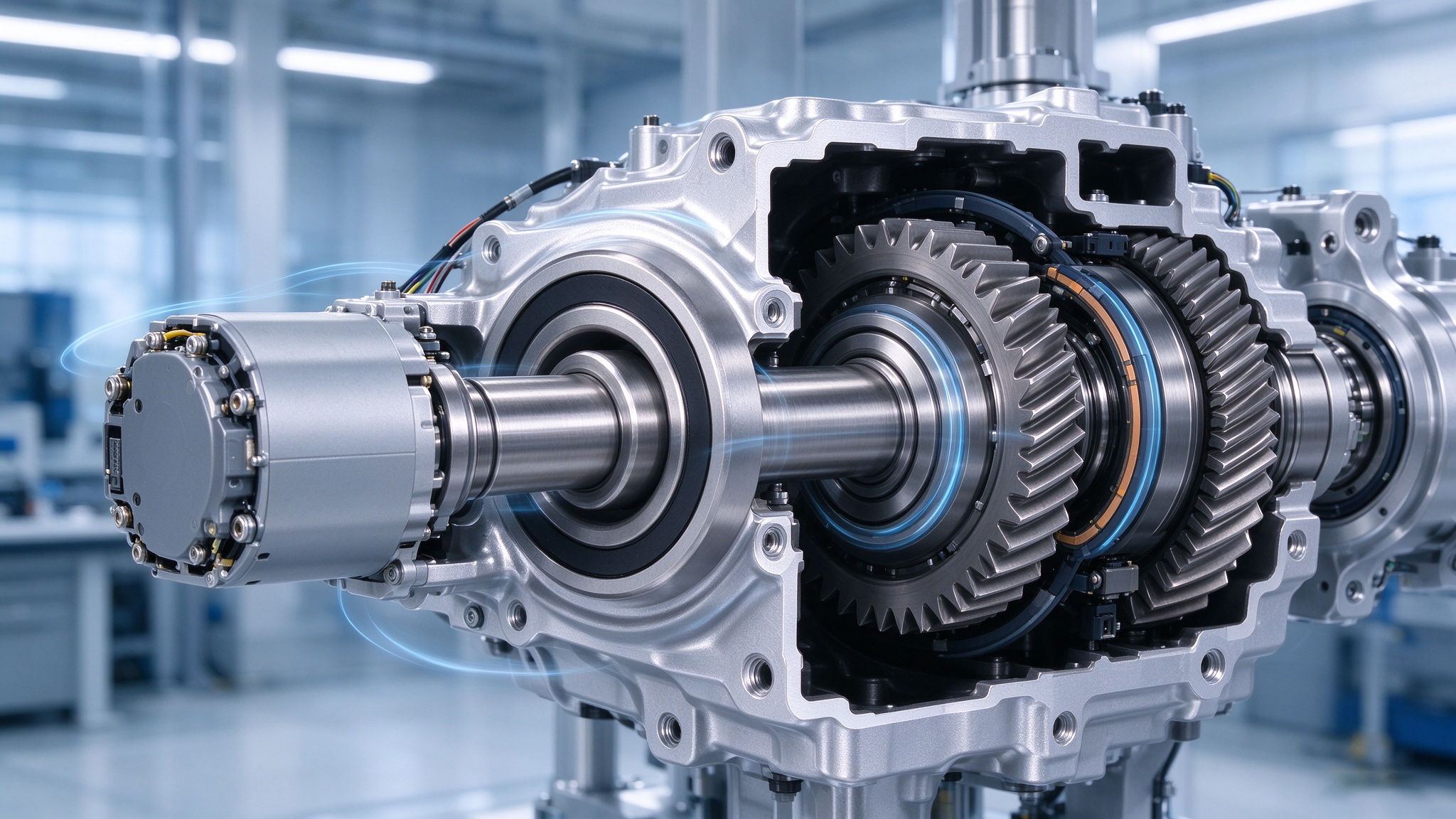
The word “silent” in EV drivetrains does not mean the absence of sound. It means the absence of unwanted sound. When engine noise disappears, gear whine, bearing rumble, and high-frequency vibration become easier to detect. This makes NVH performance a critical engineering target.
Low-torque bearings contribute to quieter drivetrains in several ways. Precision roller crowning reduces edge loading and vibration. Low-friction grease reduces churning noise inside sealed units. Improved cage designs minimize skidding at high speeds. Insulated or hybrid ceramic bearings can also reduce electrical noise caused by current passage. JAJ’s silent needle roller bearing, developed for EV electric components, reportedly reduces bearing noise to one-third of conventional products by improving roller crowning accuracy.
For premium EVs, these improvements are not cosmetic. A smoother, quieter drivetrain strengthens perceived quality and reduces driver fatigue, especially during long highway journeys.
Materials and Design Trends
Low-torque EV bearings rely on advances in materials as much as geometry. Silicon nitride ceramic balls are increasingly used in high-speed motor positions because they are lighter, harder, and electrically insulating. This helps reduce centrifugal load and protects against electrical pitting. Polymer cages, low-viscosity synthetic greases, and non-contact or low-drag seals further reduce friction without sacrificing durability.
| Bearing Technology | Main Benefit | Typical EV Application |
|---|
| Bearing Technology | Main Benefit | Typical EV Application |
|---|---|---|
| Hybrid ceramic balls | High speed, electrical insulation | Motor shaft bearings |
| Insulated outer rings | Prevents current passage | E-axle and inverter-side bearings |
| Shunt bearings | Redirects stray current | High-voltage motor assemblies |
| Low-torque seals | Reduces seal drag | Wheel hub and gearbox bearings |
| Optimized roller crowning | Lowers vibration and noise | Needle and roller bearings |
Market Outlook
Demand for low-friction and low-torque bearings is rising alongside EV production. The global electric vehicle bearings market was valued at approximately USD 2.64 billion in 2024 and is projected to reach USD 5.44 billion by 2034, growing at a CAGR of 8.7 percent. The low-friction wheel hub bearing segment is also expanding, with forecasts estimating growth from USD 860 million in 2026 to USD 1.5 billion in 2036.
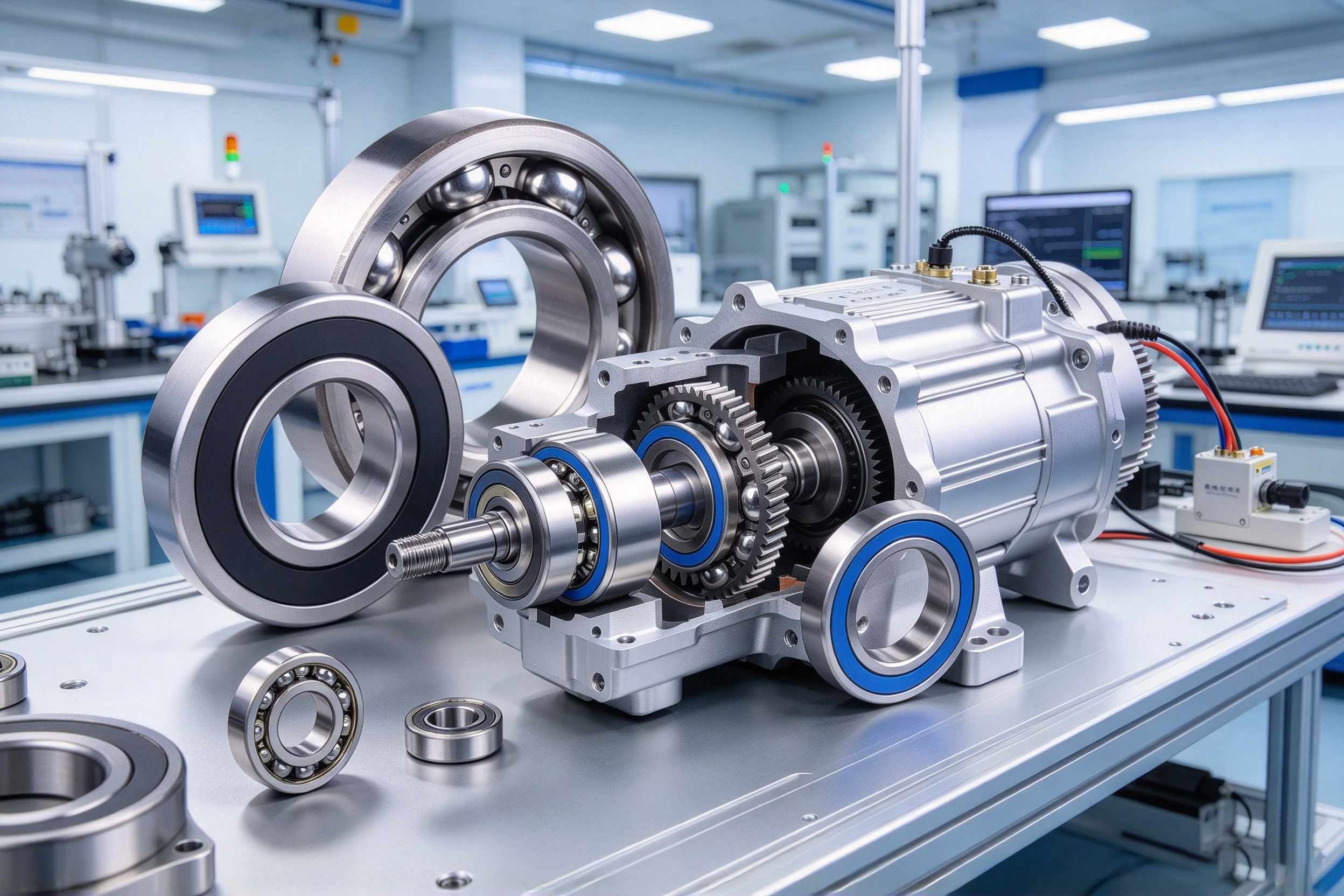
Leading suppliers including SKF, Schaeffler, NTN, NSK, JTEKT, and Timken are developing bearing families specifically for electric drivetrains. The focus is shifting from generic replacement parts to validated system components that meet OEM requirements for efficiency, insulation, noise control, and lifetime durability.
What This Means for EV Manufacturers
Low-torque bearings are no longer optional refinements. They are practical efficiency tools that support longer range, quieter cabins, and more reliable high-voltage drivetrains. For EV platforms, the right bearing strategy can reduce mechanical losses, protect against electrical damage, and improve overall driving refinement.
As electrification accelerates, the quietest drivetrains will not simply be those with the most powerful motors. They will also be those with the lowest internal resistance. In that sense, low-torque bearings are helping electric vehicles become not only more efficient, but genuinely silent.
FAQ: Low-Torque Bearings in EV Drivetrains
What are low-torque bearings?
They are specialized bearings engineered to minimize rotational friction and drag. By using optimized internal geometry, low-viscosity grease, and advanced seals, they reduce energy loss in the drivetrain.
They are specialized bearings engineered to minimize rotational friction and drag. By using optimized internal geometry, low-viscosity grease, and advanced seals, they reduce energy loss in the drivetrain.
How do these bearings improve EV range?
They lower parasitic friction in the motor, gearbox, and wheel hubs. This increases overall powertrain efficiency, allowing the vehicle to travel further on a single charge without requiring a larger battery.
They lower parasitic friction in the motor, gearbox, and wheel hubs. This increases overall powertrain efficiency, allowing the vehicle to travel further on a single charge without requiring a larger battery.
Why are they important for Electric Vehicles?
EVs lack engine noise, making mechanical sounds more noticeable. Low-torque bearings significantly reduce vibration and noise (NVH). They are also designed to withstand high speeds (up to 22,000 RPM) and protect against electrical pitting.
EVs lack engine noise, making mechanical sounds more noticeable. Low-torque bearings significantly reduce vibration and noise (NVH). They are also designed to withstand high speeds (up to 22,000 RPM) and protect against electrical pitting.
What is electrical pitting and how is it prevented?
Electrical pitting is damage caused by stray currents passing through bearing raceways. It is prevented using insulated coatings, hybrid ceramic balls (silicon nitride), or shunt bearings that safely redirect current.
Electrical pitting is damage caused by stray currents passing through bearing raceways. It is prevented using insulated coatings, hybrid ceramic balls (silicon nitride), or shunt bearings that safely redirect current.
Where are low-torque bearings typically used?
They are critical in traction motors, e-axles, gearboxes, reducers, and wheel hub assemblies where efficiency and silence are paramount.
They are critical in traction motors, e-axles, gearboxes, reducers, and wheel hub assemblies where efficiency and silence are paramount.
Do low-torque bearings cost more?
While advanced materials like ceramics or coatings may increase initial costs, the long-term value lies in extended component life, reduced warranty claims, and improved vehicle energy efficiency.
While advanced materials like ceramics or coatings may increase initial costs, the long-term value lies in extended component life, reduced warranty claims, and improved vehicle energy efficiency.
Post time: Nov-04-2026