


In the modern industrial landscape, sustainability and cost-efficiency are no longer optional—they are imperative. For decades, the standard practice for worn or damaged bearings was simple: replace them with new ones. However, as industries worldwide face mounting pressure to reduce carbon footprints and optimize operational expenditures, a powerful alternative has emerged. Industrial remanufacturing is transforming the way companies approach bearing maintenance, offering a sustainable, cost-effective, and high-quality solution that gives bearings a true second life.
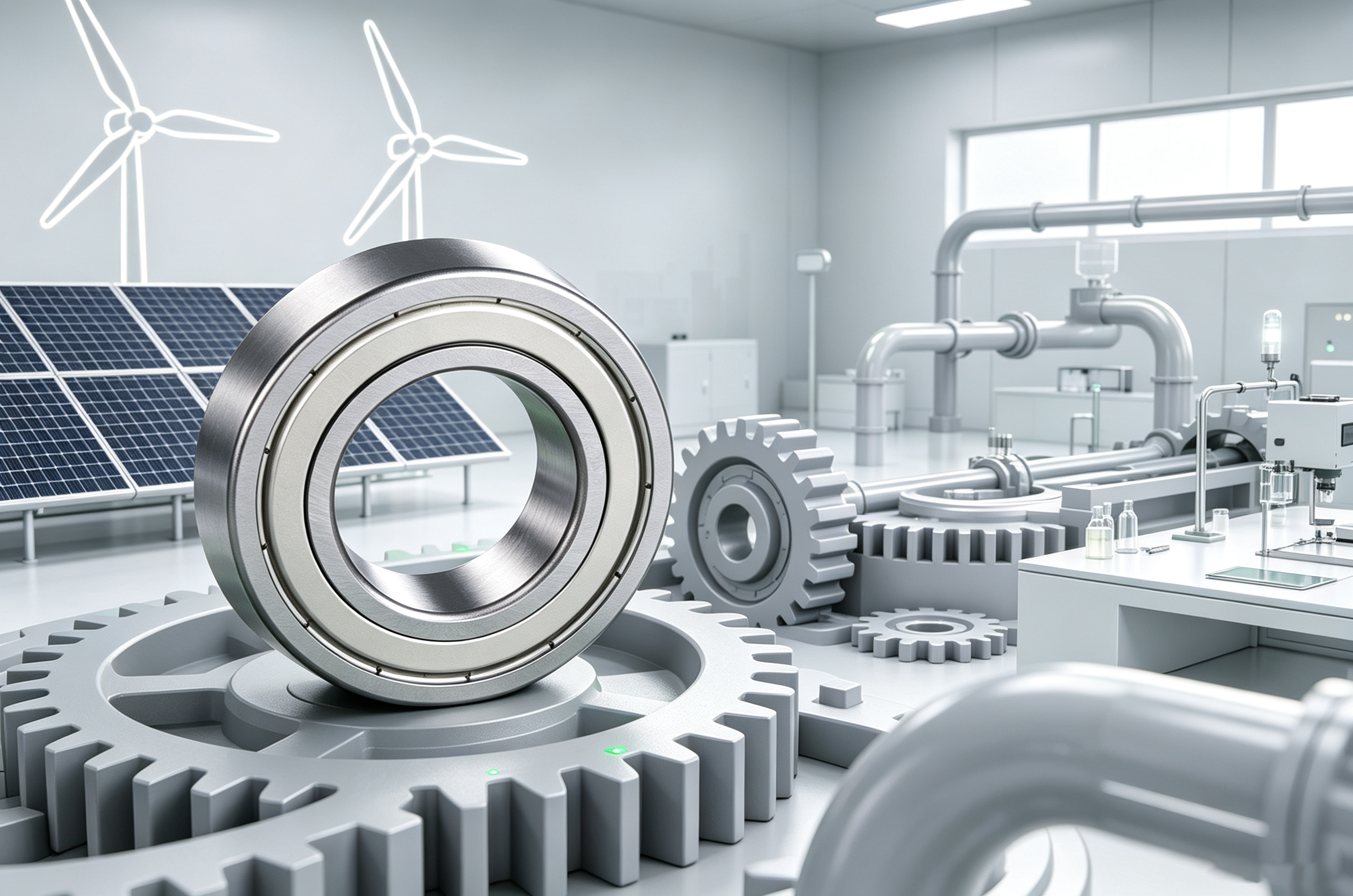
What is Bearing Remanufacturing?
Bearing remanufacturing is not merely repairing or refurbishing a component; it is a comprehensive, factory-grade process that restores a used bearing to its original performance specifications. Unlike simple repair, which might only address a single point of failure, remanufacturing involves a complete disassembly, rigorous cleaning, detailed inspection, and precision re-engineering.
The goal is to return the bearing to a “like-new” condition, complete with updated internal components, fresh lubrication, and new seals. Crucially, remanufactured bearings are held to the same stringent quality standards as newly manufactured ones, ensuring reliability and safety in critical applications.
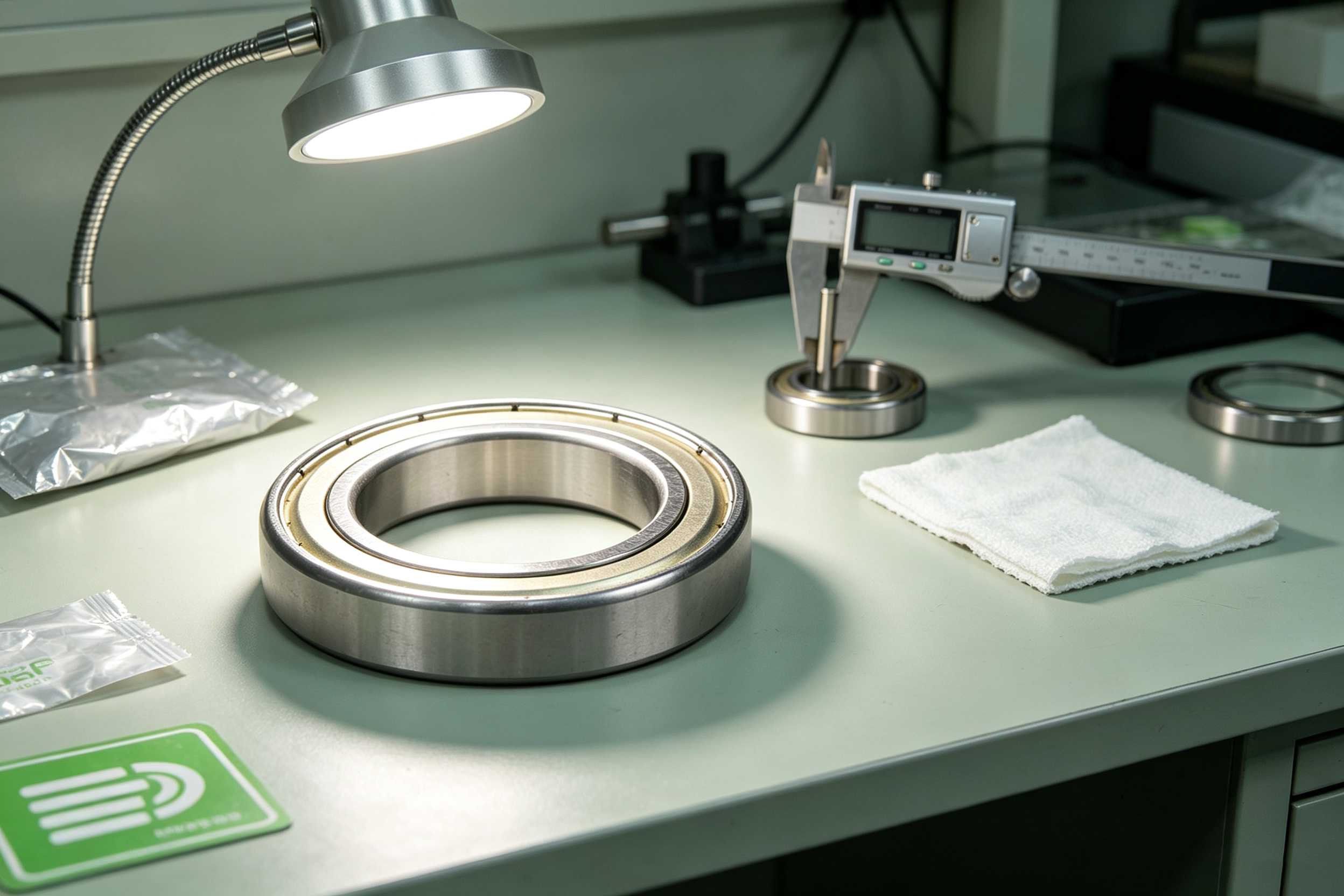
The Compelling Benefits of Remanufacturing
The shift toward remanufacturing is driven by a combination of economic, environmental, and operational advantages. Below is a concise breakdown of why industrial leaders are making the switch.
| Benefit Category | Description | Business Impact |
|---|---|---|
| Cost Savings | Remanufacturing typically costs 40% to 60% less than purchasing a new bearing. | Significant reduction in maintenance budgets and capital expenditure. |
| Sustainability | Extends the lifecycle of steel and other raw materials, reducing waste and energy consumption. | Lowers Scope 3 carbon emissions and supports corporate ESG goals. |
| Lead Time | The remanufacturing process is often faster than manufacturing and shipping a new bearing. | Minimizes unplanned downtime and accelerates return-to-operation. |
| Performance | Restores bearings to original OEM specifications with updated internal components. | Maintains or even improves machine reliability and lifespan. |
The Remanufacturing Process: A Step-by-Step Journey
Transparency is key to building trust in remanufactured products. A professional remanufacturing facility follows a meticulous, multi-step process to ensure every bearing meets exacting standards.
| Process Step | Key Activities | Quality Assurance Check |
|---|---|---|
| 1. Initial Assessment | Visual inspection, dimensional checks, and feasibility evaluation. | Determines if the bearing’s core structure is suitable for remanufacturing. |
| 2. Disassembly & Cleaning | Complete teardown, ultrasonic cleaning, and degreasing. | Removes all contaminants to allow for accurate inspection. |
| 3. Detailed Inspection | Non-destructive testing (NDT), metallurgical analysis, and tolerance measurement. | Identifies micro-cracks, wear patterns, and material fatigue. |
| 4. Re-engineering | Grinding, polishing, replacing rolling elements/rings, and re-lubrication. | Restores geometry and surface finish to original OEM specifications. |
| 5. Final Testing | Vibration analysis, noise testing, and final dimensional verification. | Certifies the bearing meets all performance and safety criteria before release. |
Remanufacturing vs. New: Making the Right Choice
While remanufacturing offers tremendous value, it is not a universal replacement for new bearings. Understanding when to remanufacture and when to replace is critical for optimal asset management.
| Scenario | Recommended Action | Rationale |
|---|---|---|
| Large, expensive bearings (e.g., wind turbine main bearings) | Remanufacture | High cost savings and long lead times for new parts make remanufacturing highly attractive. |
| Bearings with localized, repairable damage | Remanufacture | Surface engineering and re-grinding can effectively restore functionality. |
| Small, standard commodity bearings | Replace | The cost of remanufacturing may approach or exceed the price of a new unit. |
| Bearings with severe structural damage or corrosion | Replace | The core integrity is compromised; remanufacturing is not safe or feasible. |
| Obsolete bearings with no OEM support | Remanufacture | Allows continued operation of legacy equipment without costly machine redesigns. |
Environmental Impact: A Greener Future for Industry
The environmental case for bearing remanufacturing is as strong as the economic one. Steel production is energy-intensive and a significant contributor to global CO2 emissions. By extending the life of existing bearings, remanufacturing dramatically reduces the demand for virgin raw materials.
Studies in related fields, such as engine remanufacturing, have shown that the process can save up to 80% of the energy and materials required to produce a new component. When scaled across millions of industrial bearings, the cumulative effect is a substantial reduction in greenhouse gas emissions and industrial waste. For companies committed to net-zero targets, incorporating remanufacturing into their maintenance strategy is a tangible step toward circular economy principles.
Choosing a Trusted Remanufacturing Partner
Not all remanufacturing services are created equal. To ensure the safety and performance of your assets, it is vital to partner with a provider that adheres to strict industry standards. Look for facilities that offer:
- Full Traceability: Detailed documentation of every step in the remanufacturing process.
- Certified Quality: Compliance with ISO standards and OEM specifications.
- Technical Expertise: Engineers with deep knowledge of bearing metallurgy and failure analysis.
- Warranty: A strong warranty that stands behind the quality of the remanufactured product.
Conclusion
The rise of industrial remanufacturing represents a paradigm shift in asset management. It challenges the outdated “replace-first” mentality and offers a smarter, more sustainable path forward. By giving your bearings a second life, you are not only protecting your bottom line but also contributing to a more resilient and environmentally responsible industrial ecosystem.
As technology advances and the focus on circularity intensifies, remanufacturing will continue to evolve from a niche alternative to a mainstream best practice. The question for modern industry is no longer if bearings can be remanufactured, but how quickly your organization can integrate this powerful solution into your maintenance strategy. Give your bearings a second life, and give your business a competitive edge.
Frequently Asked Questions (FAQ)
Q: Is a remanufactured bearing as reliable as a new one?
A: Yes. Remanufacturing restores the bearing to original OEM performance specifications using the same strict quality standards as new manufacturing.
A: Yes. Remanufacturing restores the bearing to original OEM performance specifications using the same strict quality standards as new manufacturing.
Q: How much can I save by remanufacturing?
A: You can typically save between 40% to 60% on costs compared to purchasing a brand-new bearing.
A: You can typically save between 40% to 60% on costs compared to purchasing a brand-new bearing.
Q: What is the environmental benefit of remanufacturing?
A: It significantly reduces waste and energy consumption, cutting carbon emissions by up to 80% compared to producing a new bearing.
A: It significantly reduces waste and energy consumption, cutting carbon emissions by up to 80% compared to producing a new bearing.
Q: How long does the remanufacturing process take?
A: Lead times vary based on damage, but it is generally much faster than manufacturing and shipping a new replacement.
A: Lead times vary based on damage, but it is generally much faster than manufacturing and shipping a new replacement.
Q: Can all types of bearings be remanufactured?
A: No. Large, high-value bearings are ideal candidates, while small, low-cost commodity bearings are usually better replaced.
A: No. Large, high-value bearings are ideal candidates, while small, low-cost commodity bearings are usually better replaced.
Q: Do remanufactured bearings come with a warranty?
A: Yes, reputable providers offer warranties that stand behind the quality and performance of the remanufactured product.
A: Yes, reputable providers offer warranties that stand behind the quality and performance of the remanufactured product.
Post time: Aug-24-2026