


As global industries face mounting pressure to decarbonize, the concept of the circular economy has shifted from a sustainability buzzword to a critical operational imperative. For heavy manufacturing, energy, and transportation sectors, industrial bearings represent a significant, yet often overlooked, opportunity for environmental impact reduction. Bearing recycling and remanufacturing are no longer just cost-saving maintenance strategies; they are powerful tools for slashing carbon footprints, enhancing supply chain resilience, and driving measurable ESG (Environmental, Social, and Governance) outcomes.
The Carbon Cost of Linear Manufacturing
In a traditional linear economy, a worn bearing is discarded, and a new one is manufactured to replace it. This “take-make-dispose” model carries a massive hidden carbon cost. Manufacturing new industrial bearings is highly energy-intensive, requiring steel production, precision machining, heat treatment, and global logistics. Furthermore, the end-of-life disposal of metal components contributes to landfill waste and additional emissions.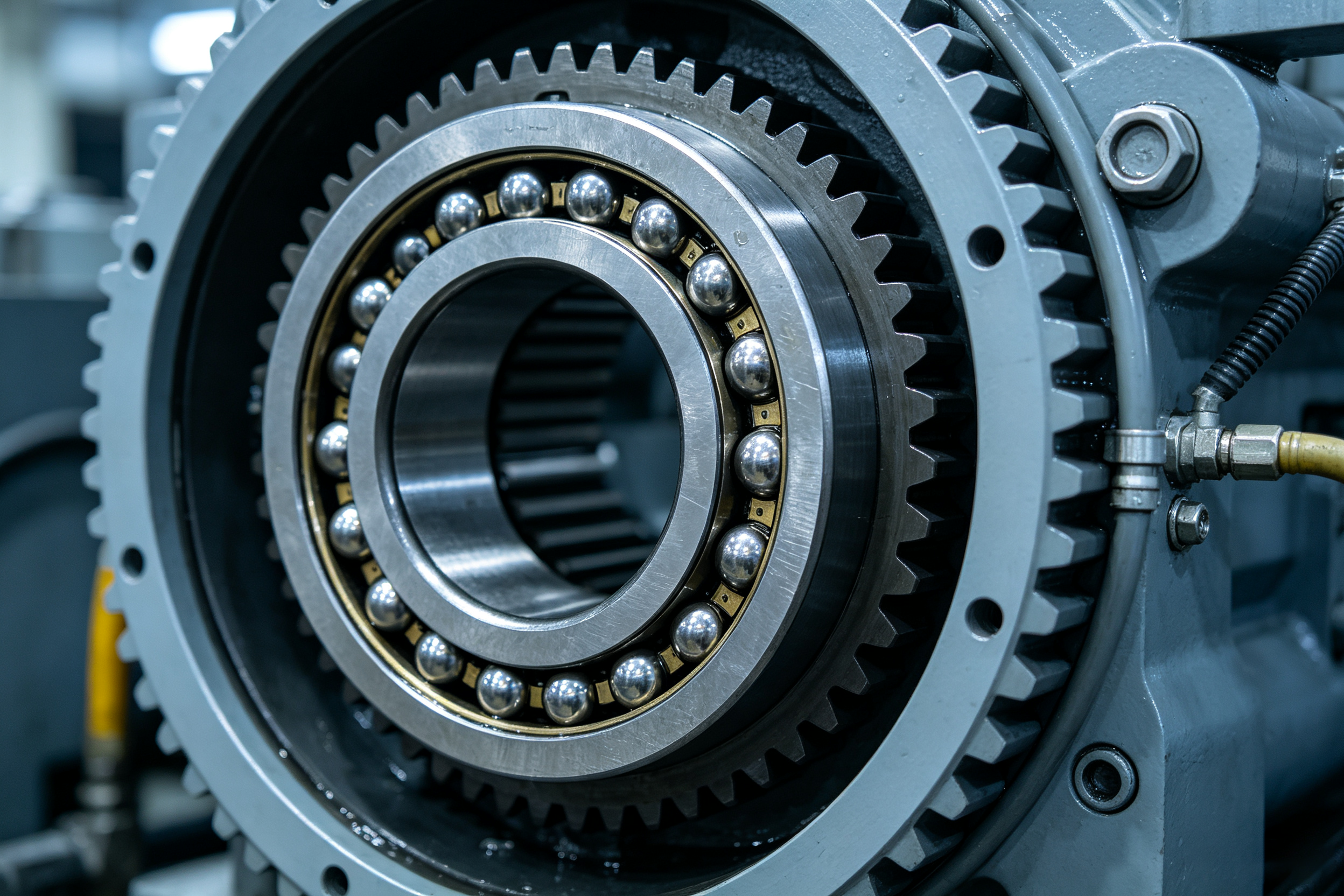
Remanufacturing fundamentally alters this equation. By restoring used bearings to their original functional specifications through rigorous cleaning, inspection, machining, and reassembly, companies can bypass the most carbon-heavy stages of the production lifecycle. Industry data indicates that bearing remanufacturing can reduce carbon emissions by up to 90% compared to manufacturing a new replacement. This dramatic reduction is achieved by preserving the embodied energy of the original steel and minimizing the need for virgin raw materials.
Remanufacturing vs. Replacement: A Clear Environmental Advantage
To understand the tangible impact of bearing recycling, it is essential to compare the lifecycle metrics of remanufactured bearings against new production. The following table illustrates the stark differences in resource consumption and environmental impact:
| Metric | New Bearing Manufacturing | Bearing Remanufacturing | Environmental Benefit |
|---|---|---|---|
| Carbon Footprint | 100% (Baseline) | ~10% of baseline | Up to 90% CO2 reduction |
| Raw Material Usage | 100% virgin steel & alloys | Minimal (only replacement parts) | Conserves natural resources |
| Energy Consumption | High (smelting, forging, machining) | Low (cleaning, grinding, assembly) | Significant energy savings |
| Waste Generation | High (scrap, packaging, disposal) | Near-zero (closed-loop process) | Diverts waste from landfills |
| Lead Time | 6–8 months (subject to supply chain) | Days to weeks | Reduces transport emissions |
Data reflects industry averages for large industrial bearing remanufacturing.
Driving Supply Chain Resilience Through Circularity
Beyond environmental metrics, the circular economy offers a strategic buffer against modern supply chain volatility. Geopolitical tensions, post-pandemic recovery bottlenecks, and raw material shortages have frequently stretched lead times for new bearings to six months or more. In capital-intensive industries like steel production, wind energy, and rail, such delays can result in catastrophic downtime, with maintenance-related costs accounting for 15–20% of total production expenses.
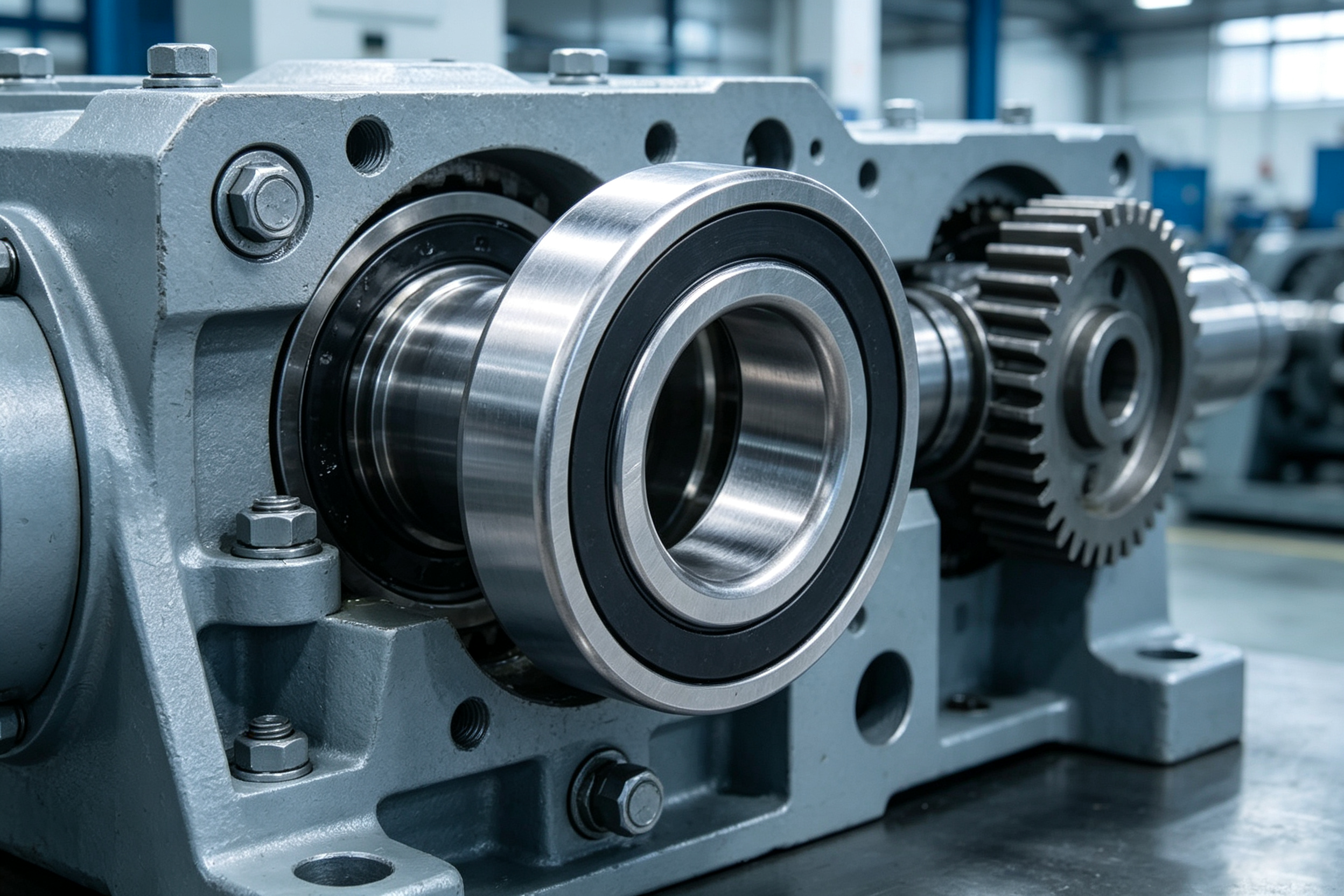
Bearing recycling provides an agile, localized alternative. By maintaining a steady flow of remanufactured components, operators can keep critical assets running without waiting for global supply chains to stabilize. This resilience is particularly evident in the renewable energy sector. Wind farm operators, facing tight project timelines and capital constraints, increasingly source up to 45% of their bearing requirements from liquidators and remanufacturers to avoid extended stockouts.
Regulatory Tailwinds and Corporate Compliance
The shift toward bearing recycling is further accelerated by stringent regulatory frameworks and corporate sustainability mandates. The European Union’s Circular Economy Action Plan, for example, targets a 65% reuse or recycling rate for industrial components by 2030. Similarly, governments in Japan and Sweden have introduced subsidies and tax incentives to encourage SMEs to adopt remanufacturing practices.
For multinational corporations, compliance with frameworks like the EU Taxonomy requires auditable proof of circularity. Modern remanufacturing facilities now integrate advanced traceability systems, providing customers with comprehensive lifecycle data, carbon savings certificates, and quality assurance documentation. This transparency transforms bearing recycling from a back-room maintenance activity into a boardroom-level sustainability strategy.
Technology: The Enabler of Safe Circularity
A common misconception is that recycled bearings compromise on safety or performance. However, advancements in reconditioning technology have made remanufacturing a precision science. Modern facilities utilize AI-driven wear analysis, laser cladding for surface restoration, and IoT-enabled condition monitoring to ensure restored bearings meet or exceed original equipment manufacturer (OEM) tolerances.
Predictive maintenance plays a crucial role in this ecosystem. By continuously monitoring vibration, temperature, and lubrication quality, operators can identify early-stage wear and schedule remanufacturing before catastrophic failure occurs. Studies show that IoT-driven monitoring can reduce unplanned downtime by approximately 27%, ensuring that bearings are recycled at the optimal point in their lifecycle.
Expanding the Scope: Beyond the Bearing Itself
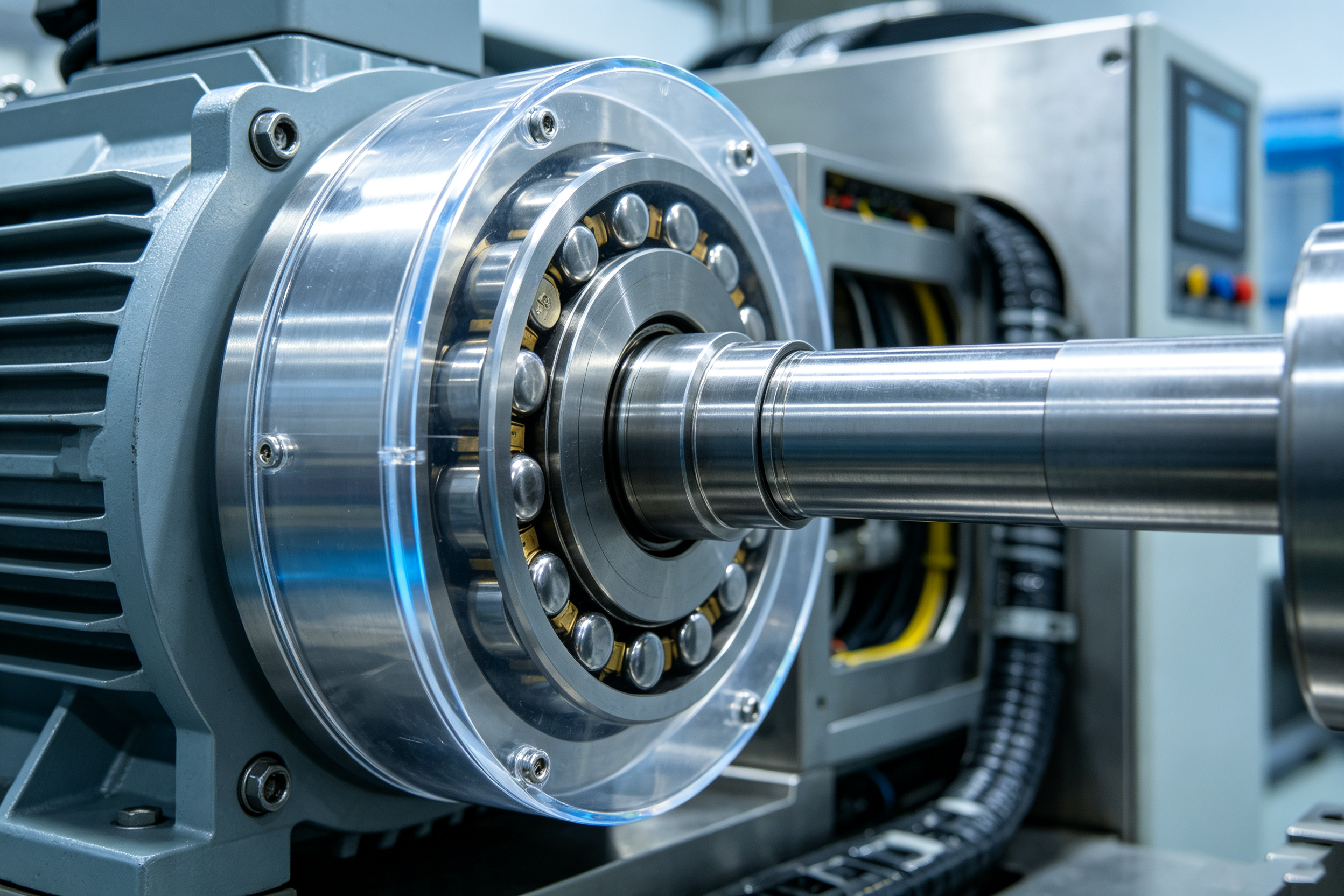
The circular economy in bearing management extends beyond the rolling elements. Bearing housings, seals, and lubrication systems are increasingly part of the recycling loop. Innovative oil filtration technologies, such as RecondOil, can achieve 99% oil cleanliness, allowing industrial lubricants to be reused for up to 20 years. This not only reduces the carbon footprint associated with oil production and disposal but also directly extends bearing service life by preventing micro-contamination.
Furthermore, forward-thinking companies are establishing “patent sharing” initiatives, opening up proprietary sustainable technologies to the broader industry. This collaborative approach accelerates the adoption of circular practices across sectors, from paper mills to semiconductor manufacturing.
Strategic Considerations for Implementation
For organizations looking to integrate bearing recycling into their sustainability strategy, the following framework can guide effective implementation:
| Implementation Phase | Key Actions | Expected Outcome |
|---|---|---|
| Assessment | Audit current bearing consumption, failure modes, and disposal costs | Identify high-value recycling candidates |
| Partner Selection | Evaluate remanufacturers on QA protocols, traceability, and certifications | Ensure safety and compliance |
| Pilot Program | Test remanufactured bearings in non-critical applications first | Build internal confidence and data |
| Scale & Integrate | Incorporate remanufacturing into preventive maintenance schedules | Maximize ROI and carbon savings |
| Report & Optimize | Track and publish ESG metrics related to circularity | Demonstrate stakeholder value |
Conclusion: Circularity as Competitive Advantage
The transition to a circular economy is no longer optional for industrial leaders. Bearing recycling represents a rare convergence of environmental responsibility, economic efficiency, and operational resilience. By reducing carbon footprints by up to 90%, mitigating supply chain risks, and leveraging advanced digital technologies, companies can turn a traditional maintenance cost center into a strategic sustainability asset.
As regulatory pressures intensify and corporate net-zero commitments come under greater scrutiny, the question is no longer whether to adopt circular bearing practices, but how quickly organizations can scale them. In the circular economy, every restored bearing is not just a component saved—it is a tangible step toward a more sustainable industrial future.
Frequently Asked Questions (FAQ)
Q1: How much carbon footprint is reduced by recycling bearings?
A: Bearing remanufacturing can reduce carbon emissions by up to 90% compared to manufacturing a new replacement.
A: Bearing remanufacturing can reduce carbon emissions by up to 90% compared to manufacturing a new replacement.
Q2: Are remanufactured bearings as reliable as new ones?
A: Yes. Modern facilities use AI-driven wear analysis and laser cladding to ensure restored bearings meet or exceed original OEM tolerances.
A: Yes. Modern facilities use AI-driven wear analysis and laser cladding to ensure restored bearings meet or exceed original OEM tolerances.
Q3: Can bearing lubricants also be recycled?
A: Absolutely. Advanced filtration technologies can achieve 99% oil cleanliness, allowing industrial lubricants to be reused for up to 20 years.
A: Absolutely. Advanced filtration technologies can achieve 99% oil cleanliness, allowing industrial lubricants to be reused for up to 20 years.
Q4: How does bearing recycling help with supply chain issues?
A: Remanufacturing provides a localized, agile alternative, significantly cutting lead times from months to just days or weeks.
A: Remanufacturing provides a localized, agile alternative, significantly cutting lead times from months to just days or weeks.
Q5: Is bearing remanufacturing suitable for all types of bearings?
A: Not all. A professional assessment is required to evaluate the bearing’s condition and determine if it is a viable candidate for remanufacturing.
A: Not all. A professional assessment is required to evaluate the bearing’s condition and determine if it is a viable candidate for remanufacturing.
Q6: Does recycling bearings save money?
A: Yes. Besides lowering the carbon footprint, it reduces total lifecycle costs (TCO) and minimizes expensive unplanned downtime.
A: Yes. Besides lowering the carbon footprint, it reduces total lifecycle costs (TCO) and minimizes expensive unplanned downtime.
Post time: Aug-26-2026