


Introduction
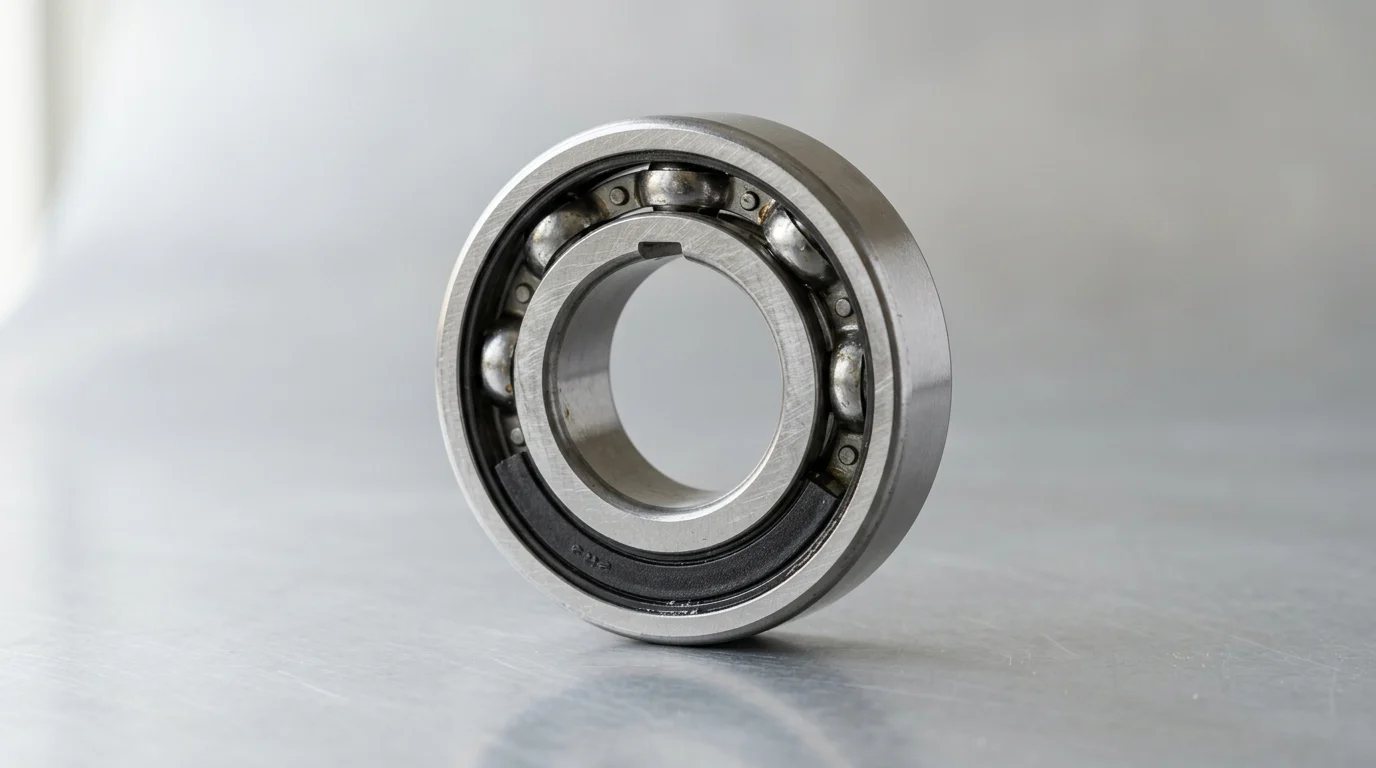
Most industrial bearings are designed to outlast demanding service conditions, yet many fail well before their calculated life because real operating environments rarely match ideal assumptions. To reduce unexpected downtime and avoid repeated replacements, it is essential to identify the specific mechanisms that damage bearings early, from lubrication breakdown and contamination to misalignment, overload, and installation errors. This article examines five common causes of premature bearing failure through a root cause analysis lens, showing how each problem develops, what warning signs to watch for, and which preventive maintenance practices can extend bearing life and improve equipment reliability.
Why Premature Bearing Failure Matters
Industrial bearings are fundamental components designed to facilitate rotational movement while minimizing friction and managing loads. Despite their robust engineering, bearings frequently fail to reach their calculated fatigue life due to adverse operating conditions, improper handling, or maintenance deficiencies. Understanding the mechanisms behind these premature failures is essential for optimizing asset reliability and minimizing unplanned downtime.
How to define premature bearing failure
In mechanical engineering, bearing life is traditionally calculated using the L10 metric, which represents the number of operating hours or revolutions that 90% of a group of identical bearings will complete or exceed before the onset of fatigue flaking. The L10 life assumes ideal conditions: proper lubrication, appropriate loads, and a contamination-free environment.
Premature bearing failure is defined as any operational incapacitation that occurs before the bearing reaches this calculated L10 fatigue life. Industry statistics indicate that fewer than 10% of industrial bearings actually achieve their theoretical lifespan. Instead, the vast majority are removed from service prematurely due to external factors that alter the contact stresses and compromise the raceway surfaces.
Operational, cost, and safety impacts
The consequences of premature bearing failure extend far beyond the procurement cost of a replacement component. In heavy continuous-process industries, such as paper milling, petrochemical refining, or steel manufacturing, the financial penalty for unplanned downtime can easily range from $10,000 to over $50,000 per hour. Secondary damage is also a critical concern; a seized bearing can destroy shafts, housings, and adjacent mechanical seals, compounding repair costs.
Furthermore, unpredictable bearing degradation introduces severe safety hazards. Catastrophic failures can lead to fires in high-friction environments, projectile hazards from fractured cages, or the sudden loss of load-holding capabilities in lifting equipment. Mitigating these risks requires transitioning from reactive component replacement to proactive defect elimination.
Top Causes of Premature Bearing Failure
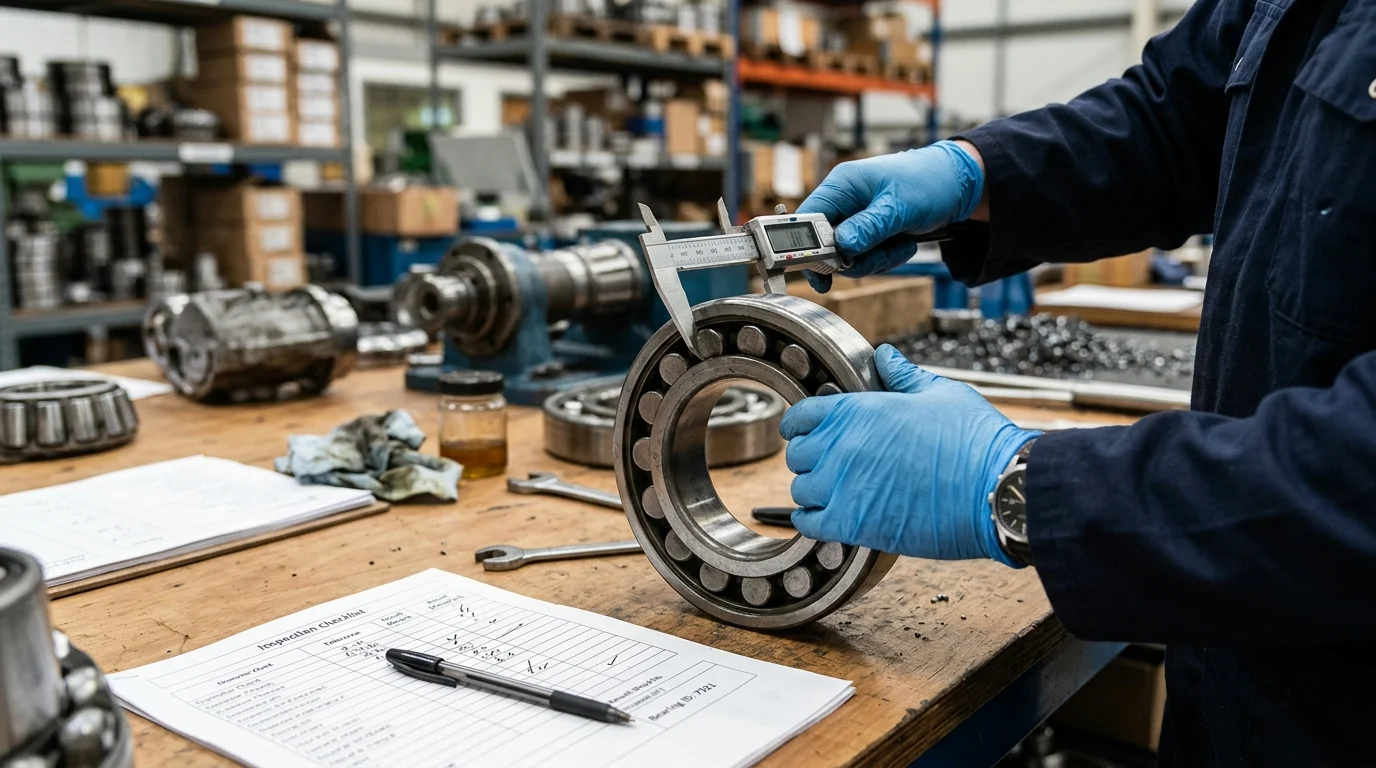
Isolating the root causes of bearing degradation requires an understanding of tribology, mechanical fits, and operational loads. While failure modes often overlap, they can generally be categorized into a few primary mechanisms that disrupt the delicate elastohydrodynamic lubrication (EHL) film or overstress the bearing steel.
Lubrication, contamination, and sealing errors
Lubrication deficiencies account for up to 80% of all premature bearing failures. This encompasses inadequate volume, excessive greasing, incorrect viscosity, and lubricant degradation. If the EHL film thickness drops below the surface roughness of the rolling elements (a lambda ratio of less than 1), metal-to-metal contact accelerates adhesive wear and micropitting.
Contamination is equally destructive. Solid particulate contamination, such as silica dust or metallic wear debris, bridges the lubrication clearance. Particles as small as 5 to 10 microns can breach the fluid film, causing abrasive wear and localized stress concentrations that lead to spalling. Ingress of moisture exceeding 200 parts per million (ppm) drastically reduces bearing life by degrading the lubricant base oil and initiating hydrogen embrittlement in the bearing steel.
Misalignment, installation mistakes, and poor fits
Mechanical misalignment between the shaft and the housing is a leading cause of uneven load distribution. Angular misalignment exceeding 0.001 inches per inch (or 1 milliradian) introduces edge loading on the raceways, localized overheating, and rapid cage wear. Standard deep groove ball bearings are particularly sensitive to these off-axis forces.
Installation errors also severely compromise bearing integrity. Applying mounting force through the rolling elements rather than the press-fit ring causes true brinelling—permanent plastic deformation of the raceway. Additionally, improper shaft or housing tolerances (e.g., an excessively tight interference fit) eliminate the internal radial clearance. This results in severe internal preloading, operating temperatures exceeding 120°C (248°F), and imminent thermal runaway.
Overload, electrical damage, and wrong bearing selection
Subjecting a bearing to loads that exceed its dynamic load rating (C) or static load rating (C0) initiates early subsurface fatigue. However, modern industrial environments increasingly face electrical damage. Variable Frequency Drives (VFDs) can induce high-frequency common-mode voltages on motor shafts. When the shaft voltage exceeds the dielectric breakdown threshold of the lubricant (typically >2V to 5V), electrical discharge machining (EDM) occurs, leaving microscopic craters and characteristic “fluting” patterns on the raceways.
Selecting the wrong bearing for the application is a foundational error. Using a spherical roller bearing for high-speed, low-load applications may result in skidding rather than rolling, while specifying standard bearing steel for highly corrosive environments guarantees rapid oxidative degradation.
| Primary Cause Category | Estimated Frequency | Critical Threshold / Tolerance Example |
|---|---|---|
| Lubrication Issues | 40% – 50% | Lambda ratio < 1.0 (metal contact) |
| Contamination | 20% – 30% | Water content > 200 ppm; Particles > 5μm |
| Mounting / Installation | 10% – 20% | Internal clearance reduction to 0 μm |
| Misalignment / Overload | 5% – 10% | Angular misalignment > 0.001 in/in |
| Electrical Damage (VFD) | < 5% | Shaft voltage > 2V – 5V |
How to Perform Root Cause Analysis
Root Cause Analysis (RCA) transforms a failed bearing from a piece of scrap metal into a valuable diagnostic tool. Adhering to standardized methodologies, such as ISO 15243 for bearing damage classification, ensures that maintenance teams identify the underlying systemic issue rather than merely addressing the superficial symptoms.
Failure evidence, inspection steps, and condition monitoring
Effective RCA begins before the bearing is removed from the shaft. Technicians must document the operating environment, noting excessive vibration, abnormal noise, or elevated temperatures. During removal, the bearing must not be cut with a torch or struck with a hammer, as this destroys critical forensic evidence. The lubricant must be sampled for spectrographic analysis before the bearing is cleaned.
Visual and microscopic inspection follows. Analysts utilize magnification ranging from 10x to 50x to examine the load zones, raceway surfaces, and cage integrity. Condition monitoring data—such as historical vibration spectra and temperature trends—must be correlated with the physical damage to establish a precise timeline of the failure progression.
How to link symptoms to likely causes
Linking visual symptoms to root causes requires pattern recognition based on ISO 15243 classifications. For instance, spalling (macropitting) that occurs heavily on one side of a deep groove ball bearing raceway indicates severe axial overloading. A highly polished raceway with a frosted appearance suggests inadequate lubricant viscosity.
Distinct patterns help differentiate similar causes. True brinelling features indentations matching the exact spacing of the rolling elements, typically caused by a singular impact exceeding the static load capacity. In contrast, false brinelling exhibits similar depressions but is caused by microscopic vibrational fretting while the bearing is stationary. Recognizing these nuances prevents engineers from applying a mechanical fix to a lubrication problem.
Preventive Maintenance Practices That Work
Preventing premature bearing failure requires a transition from reactive firefighting to precision maintenance. By controlling the operating environment and monitoring the physical condition of the bearing, facilities can significantly extend the mean time between failures (MTBF).
Lubrication control, contamination exclusion, and alignment
Precision lubrication is the cornerstone of bearing reliability. Transitioning to acoustic or ultrasonic greasing allows technicians to monitor friction levels in real-time. By establishing a baseline of 20 to 30 decibels (dB), maintainers can apply exactly enough grease to return the ultrasonic signature to baseline, eliminating both starvation and over-pressurization.
Contamination exclusion relies on upgrading standard lip seals to advanced labyrinth or magnetic bearing isolators, which can extend bearing life by up to 150% in highly particulate environments. Furthermore, precision laser alignment tools must be used to ensure shaft alignment tolerances are kept within 0.05 mm (0.002 inches), dramatically reducing parasitic edge loading.
When to use vibration analysis, thermography, and oil analysis
Predictive maintenance (PdM) technologies detect anomalies months before functional failure. High-frequency vibration enveloping (typically in the 5 kHz to 40 kHz range) identifies microscopic raceway defects, allowing for planned interventions. Infrared thermography provides rapid screening; a localized temperature rise of >15°C above the ambient baseline often signals impending lubrication breakdown or internal friction.
Routine oil analysis is vital for circulating systems. Maintaining fluid cleanliness to ISO 4406 targets—such as 16/14/11 for critical gearboxes and bearings—ensures that abrasive particles are filtered out before they initiate third-body wear.
| PdM Technology | Primary Detection Capability | Typical Detection Window | Key Metric / Threshold |
|---|---|---|---|
| Ultrasonic Analysis | Early lubrication starvation | 1 – 6 months prior | > 8 dB above baseline |
| Vibration Analysis | Subsurface fatigue, spalling | 1 – 4 months prior | Acceleration enveloping peaks |
| Oil Analysis | Wear metals, fluid degradation | 1 – 3 months prior | ISO 4406 code (e.g., >18/16/13) |
| Infrared Thermography | Severe friction, misalignment | 1 – 4 weeks prior | > 15°C Delta-T |
| Audible Noise | Advanced catastrophic damage | 1 – 3 days prior | Unquantified (reactive) |
How to prioritize repair or replacement actions
Because resources are finite, maintenance departments must prioritize interventions using a Risk Priority Number (RPN) matrix. An RPN evaluates the severity of the potential failure, the likelihood of occurrence based on PdM data, and the detectability of the fault. A bearing exhibiting early-stage high-frequency vibration on a redundant ventilation fan may be monitored, whereas a sudden 10°C thermal spike on a critical boiler feed pump necessitates immediate shutdown and replacement.
Key Actions for Prevention
Sustaining high bearing reliability is not solely the responsibility of the maintenance execution team. It requires a synchronized, cross-functional strategy that encompasses the entire lifecycle of the component, from initial specification to final installation.
How engineering, procurement, and maintenance should align
Engineering teams must move beyond basic load calculations to specify bearings optimized for the actual operating environment. This includes selecting appropriate internal clearances (e.g., C3 or C4 for high-temperature applications) and specifying electrically insulated bearings (ceramic hybrids or coated outer rings) for VFD-driven motors to prevent EDM fluting.
Procurement and inventory management play equally critical roles. Purchasing decisions must prioritize Total Cost of Ownership (TCO) over the lowest unit price, ensuring bearings are sourced from authorized distributors to avoid counterfeit components. Once in the facility, proper storage is mandatory. Bearings must be stored flat in their original packaging in climate-controlled environments—ideally maintained below 25°C (77°F) with a relative humidity of less than 60%—to prevent micro-corrosion and static fretting before the bearing ever reaches the production floor.
Key Takeaways
- The most important conclusions and rationale for Industrial bearing
- Specs, compliance, and risk checks worth validating before you commit
- Practical next steps and caveats readers can apply immediately
Frequently Asked Questions
What is the most common cause of premature industrial bearing failure?
Lubrication problems are the top cause. Use the correct grease or oil viscosity, avoid over-greasing, and follow relubrication intervals based on speed, load, and temperature.
How can contamination shorten bearing life?
Dust, metal particles, and moisture damage raceways and lubricant film. Improve seals, keep mounting areas clean, and store bearings in sealed packaging until installation.
Why do bearings fail soon after installation?
Incorrect mounting, poor fits, or force applied through rolling elements can cause brinelling and preload. Use proper tools, verify shaft/housing tolerances, and align components before startup.
How do I know if misalignment is damaging a bearing?
Common signs include heat, noise, vibration, and uneven wear patterns. Check shaft and housing alignment, especially in motors, conveyors, and agricultural equipment.
Can DEMY help select the right bearing for my application?
Yes. DEMY offers a broad catalog of ball and roller bearings for OEMs and industrial buyers. Match load, speed, environment, and sealing needs before ordering to reduce early failure.
Post time: Jun-03-2026