


The global bearing market is currently experiencing a dynamic phase of transformation, driven by rapid industrialization, the ongoing transition to electric mobility, and unprecedented advancements in automation. As the mechanical backbone of modern industry, bearings are critical to the efficiency and longevity of machinery across automotive, aerospace, construction, and renewable energy sectors. Based on comprehensive market analysis, the global bearing market was valued at approximately USD 58.6 billion in 2024 and is projected to reach USD 143.6 billion by 2034, expanding at a robust Compound Annual Growth Rate (CAGR) of 9% during the forecast period.
This article explores the primary growth drivers, technological innovations, and emerging opportunities shaping the future of the global bearing industry, providing actionable insights for industry stakeholders and investors.
Key Market Metrics at a Glance
To provide a clear understanding of the market’s trajectory, we have summarized the core financial and growth projections from leading market research data:
| Market Metric | Data / Projection |
|---|---|
| 2024 Market Size | USD 58.6 Billion |
| 2034 Forecasted Size | USD 143.6 Billion |
| Forecast Period CAGR | 9% (2025 – 2034) |
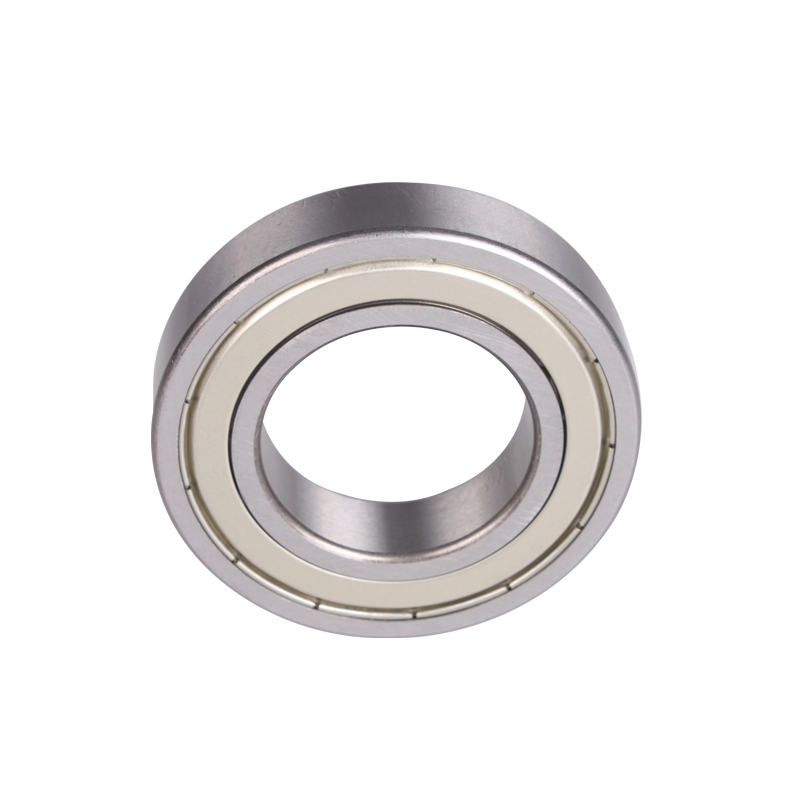
| Dominant Product Segment | Ball Bearings (~40.5% Market Share) |
| Fastest Growing Application | Automotive & Transportation (EVs) |
Primary Growth Drivers: Electrification and Industrial Automation
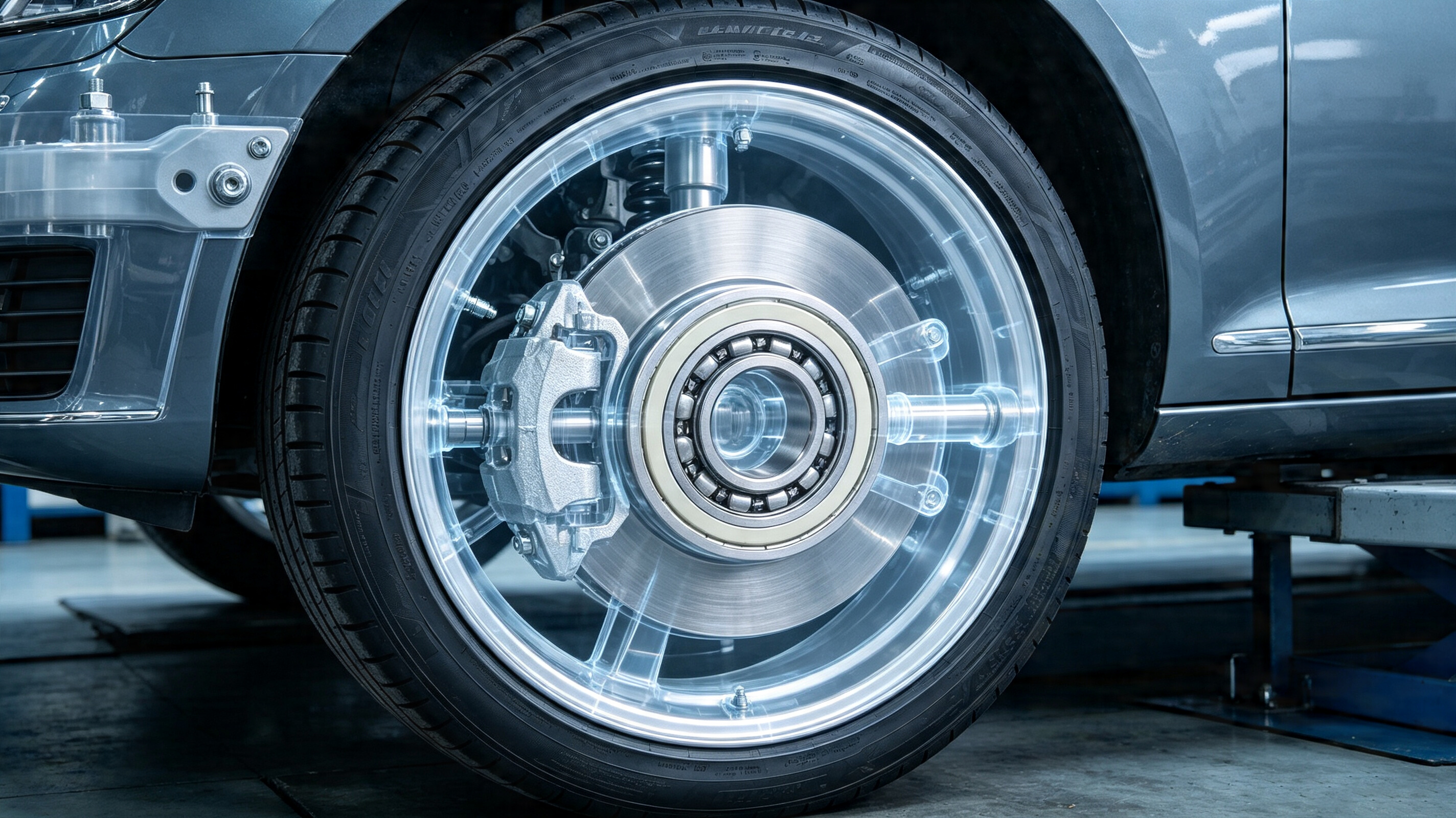
The most significant catalyst for market expansion is the global shift toward automotive electrification. Electric Vehicles (EVs) require specialized, high-performance bearings capable of handling high-speed power delivery, advanced regenerative braking systems, and high-torque environments. Unlike traditional internal combustion engines, EVs demand bearings that minimize friction to maximize battery range while enduring electrical currents. Leading manufacturers are actively responding to this demand; for instance, recent industry developments highlight the introduction of next-generation sensor-integrated bearings designed specifically to solve wear issues caused by the high torque and regenerative braking typical of EVs.
Simultaneously, the acceleration of industrial automation is creating a sustained demand for precision bearings. As factories integrate AI, collaborative robots (cobots), and IoT-enabled machinery, the requirement for components that can withstand high speeds and heavy loads in harsh environments has surged. Bearings are no longer just mechanical parts; they are becoming integral to smart manufacturing ecosystems, enabling predictive maintenance and reducing unplanned downtime.
Technological Innovations: Smart Bearings and Advanced Materials
The bearing industry is currently undergoing a technological renaissance. The traditional model of reactive maintenance is being replaced by smart, sensor-equipped bearings. These advanced components feature built-in diagnostics that monitor load, temperature, and vibration in real time, allowing operators to predict failures before they occur. This shift toward condition monitoring is particularly crucial in sectors like wind energy and heavy rail, where equipment failure can result in massive financial losses.
Furthermore, material science is playing a pivotal role in product innovation. Manufacturers are increasingly adopting lightweight, corrosion-resistant materials such as advanced ceramics, polymers, and specialized coatings like Diamond-Like Carbon (DLC). These innovations not only extend the lifecycle of the bearings but also contribute to the overall energy efficiency of the machinery. For example, recent breakthroughs in low-friction hub unit bearings have demonstrated the ability to reduce friction by up to 40% compared to conventional products, directly translating to extended driving ranges for electric vehicles.
Market Segmentation and Regional Dynamics
Understanding market segmentation is vital for identifying lucrative opportunities. Ball bearings currently dominate the market, holding over 40% of the global share due to their versatility in supporting both axial and radial loads across home appliances, industrial machinery, and automobiles. However, roller bearings are experiencing accelerated growth, driven by heavy-duty applications in mining, railroads, and the expanding wind energy sector.
Geographically, the Asia-Pacific region remains the undisputed leader, accounting for the largest market share. This dominance is fueled by rapid industrialization, massive infrastructure investments, and a booming automotive manufacturing sector in countries like China, India, and Japan. Emerging markets are also heavily investing in rail infrastructure modernization, creating substantial demand for high-load bearing systems.
| Segment Category | Key Insights & Growth Factors |
|---|---|
| Ball Bearings | Largest market share; versatile for radial/axial loads; high demand in EVs and appliances. |
| Roller Bearings | Highest growth rate; essential for heavy-duty mining, rail, and wind energy applications. |
| Asia-Pacific | Largest regional market; driven by manufacturing expansion and infrastructure development. |
| Smart Bearings | Fastest technological adoption; integrates sensors for predictive maintenance and IoT. |
Challenges and Industry Restraints
Despite the optimistic outlook, the global bearing market faces notable challenges. One of the most pressing issues is the fluctuation in raw material prices. The cost of steel, alloy steel, ceramics, and specialty materials like bronze directly impacts production costs, making it difficult for manufacturers to maintain stable pricing.
Additionally, the proliferation of counterfeit bearings remains a severe global threat. Counterfeit products, often manufactured with inferior materials and outdated machinery, compromise machine reliability and pose significant safety risks. Industry associations and leading manufacturers are continuously ramping up anti-counterfeiting efforts and educational initiatives to protect supply chains and end-users from these substandard components.
Future Opportunities: Sustainability and Circular Economy
Looking ahead, sustainability and lifecycle optimization are emerging as top design priorities. Manufacturers are exploring circular economy models, such as advanced remanufacturing technologies that allow bearings to be repeatedly restored to original performance standards. This not only reduces waste but also offers cost-effective alternatives for industrial clients.
Moreover, the integration of additive manufacturing (3D printing) into bearing component production is opening new avenues for rapid prototyping and customized solutions. As industries continue to demand bespoke, high-precision components, companies that leverage these advanced manufacturing techniques will be well-positioned to capture new market share.
Conclusion
The global bearing market is poised for significant growth, underpinned by the twin engines of electric mobility and industrial automation. While challenges such as raw material volatility and counterfeit products persist, the industry’s commitment to innovation—particularly in smart sensor integration and advanced materials—presents immense opportunities. For businesses operating in this space, staying ahead of technological trends and focusing on sustainable, high-efficiency solutions will be the key to long-term success in the evolving global landscape.
Frequently Asked Questions (FAQ)
Q1: What is the projected size of the global bearing market?
The market is expected to reach USD 143.6 billion by 2034, growing at a 9% CAGR.
The market is expected to reach USD 143.6 billion by 2034, growing at a 9% CAGR.
Q2: Which product segment currently holds the largest market share?
Ball bearings lead the market, accounting for over 40% of global revenue.
Ball bearings lead the market, accounting for over 40% of global revenue.
Q3: What is the primary driver for bearing market growth?
The transition to Electric Vehicles (EVs) and the acceleration of industrial automation.
The transition to Electric Vehicles (EVs) and the acceleration of industrial automation.
Q4: Which region is the largest market for bearings?
Asia-Pacific is the dominant region, driven by rapid manufacturing and infrastructure expansion.
Asia-Pacific is the dominant region, driven by rapid manufacturing and infrastructure expansion.
Q5: What are the main challenges facing the industry?
Fluctuating raw material prices and the global threat of counterfeit products.
Fluctuating raw material prices and the global threat of counterfeit products.
Q6: How are bearings adapting to the EV market?
Manufacturers are developing low-friction and sensor-integrated bearings to maximize battery range and handle high torque.
Manufacturers are developing low-friction and sensor-integrated bearings to maximize battery range and handle high torque.
Post time: Jul-13-2026