


In the high-stakes world of food processing, the choice of materials for equipment components, particularly bearings, has long been dominated by a single, seemingly unassailable champion: stainless steel. Its reputation for corrosion resistance and hygiene is well-earned. However, a rigid adherence to this “one-size-fits-all” approach is increasingly proving to be an expensive oversimplification. For a significant number of applications, a more strategic and cost-effective solution is emerging: high-performance carbon steel bearings enhanced with advanced surface coatings.
The True Cost of “Stainless”
- High Material Cost: Stainless steel is significantly more expensive than carbon steel, often 2 to 3 times the cost. For large-scale operations with hundreds of bearings, this initial investment is substantial.
- Mechanical Limitations: While some stainless grades like 440C offer good hardness, they often cannot match the ultimate tensile strength and fatigue life of high-carbon chrome bearing steels (like SAE 52100). In high-load or high-speed applications, this can lead to premature failure.
- A False Sense of Security: Perhaps the most critical issue is the misconception that stainless steel is immune to all forms of corrosion. In reality, it is highly susceptible to specific, insidious failures.
The Achilles’ Heel of Stainless Steel
- Chloride-Induced Pitting and Crevice Corrosion: Common cleaning and sanitizing agents, such as bleach (sodium hypochlorite), are rich in chlorides. These ions can aggressively attack the passive layer, especially in tight spaces like bearing seals or under gaskets, leading to deep, localized pits that can cause sudden component failure. Grade 316 offers better resistance than 304, but it is not invincible and comes at an even higher cost.
- Stress Corrosion Cracking (SCC): The combination of tensile stress (from load or installation) and a corrosive environment (like hot chloride solutions) can cause stainless steel to crack unexpectedly. This is a major failure mode that is difficult to predict and prevent.
The Modern Solution: Coated Carbon Steel
- The Core Strength of Carbon Steel: High-carbon bearing steels are engineered for one primary purpose: to withstand immense stress and repeated loading cycles. They offer superior hardness, fatigue life, and load-bearing capacity compared to most stainless steels.
- The Protective Shield of Advanced Coatings: Modern surface engineering has produced coatings that provide a robust physical and chemical barrier against the harsh environments of food processing.
- Cost Reduction: The base material is far less expensive, leading to potential cost savings of 50-70% compared to a full stainless steel assembly.
- Enhanced Performance: The combination of a tough core and a hard, protective surface often results in better wear resistance and longer service life in demanding applications.
- Targeted Protection: The coating can be specifically engineered to resist the particular chemicals and conditions of your facility.
Making the Right Choice: A Practical Guide
| Feature | Stainless Steel (e.g., 304/316) | Coated Carbon Steel |
|---|---|---|
| Corrosion Resistance | Excellent (general); Poor (against chlorides) | Very Good to Excellent (depending on coating) |
| Mechanical Strength | Moderate | Superior |
| Cost | High | Low to Moderate |
| Primary Failure Mode | Pitting, Crevice Corrosion, SCC | Coating breach (if improperly specified) |
| Application Scenario | Recommended Choice | Rationale |
|---|---|---|
| Direct, constant food contact; frequent high-concentration chloride washdowns. | Stainless Steel (316) | Maximum hygiene and chemical resistance are non-negotiable. |
| High-load, high-speed equipment in a humid or mildly corrosive environment (e.g., mixers, conveyors). | Coated Carbon Steel | Superior strength and fatigue life are prioritized; coating handles the environment. |
| Equipment in a dry or controlled environment with occasional splash exposure. | Coated Carbon Steel | Cost savings are significant with no performance penalty. |
| Applications with heavy vibration or shock loads. | Coated Carbon Steel | The toughness of carbon steel provides better resistance to mechanical failure. |
Beyond the Material: A Systems Approach
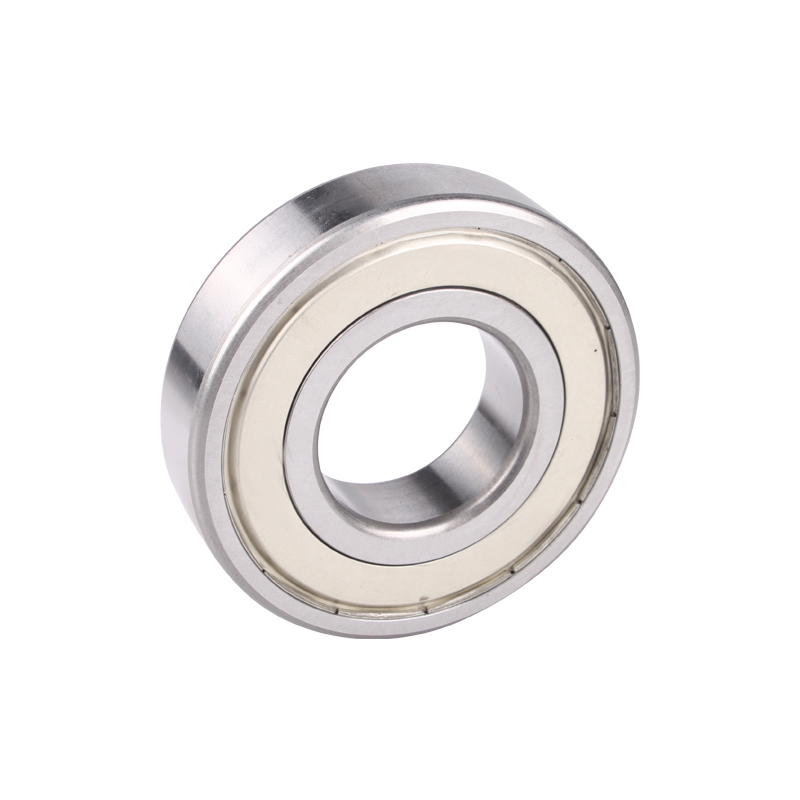
- Sealing: High-quality seals (e.g., 2RS rubber seals) are the first line of defense, physically preventing contaminants from reaching the bearing internals. A well-sealed coated carbon steel bearing will often outlast an unsealed stainless one.
- Lubrication: Using the correct food-grade lubricant (NSF H1 registered) not only ensures safety but also provides an additional protective film against moisture and corrosion.
- Maintenance: Regular inspection and proper handling during installation (e.g., avoiding contamination from hands) are crucial for maximizing the lifespan of any bearing.
Conclusion
Frequently Asked Questions (FAQ)
A: Yes, when specified correctly. High-quality food-grade coatings (such as nitrocarburizing) combined with NSF H1 registered lubricants and proper sealing create a barrier that meets food safety standards, preventing corrosion and contamination just as effectively as stainless steel in appropriate applications.
A: It depends on the coating quality. While stainless steel is vulnerable to chloride-induced pitting from bleach, advanced industrial coatings are specifically engineered to resist chemical attack. However, for environments with constant, high-concentration chemical exposure, 316 stainless steel remains the safest choice.
Q: How does the lifespan compare between the two materials?
A: In high-load or high-speed applications, coated carbon steel often outlasts stainless steel due to its superior core hardness and fatigue strength. In purely corrosive environments without mechanical stress, stainless steel may last longer, but coated steel offers a much better cost-to-life ratio for general machinery.
Post time: Apr-17-2026