


Bearing performance does not depend only on load rating, speed, or lubrication. It also depends on how well the bearing seat matches the shaft and housing. Correct shaft and housing fits help the bearing carry load safely, reduce the risk of creep, limit vibration, and extend service life. Incorrect fits can cause inner ring rotation, outer ring movement, heat buildup, premature fatigue, and even sudden failure.
For bearing engineers, procurement teams, and maintenance professionals, understanding tolerance fits is essential. The right fit is not always the tightest fit. It is the fit that matches the bearing type, load condition, rotation pattern, speed, temperature, and material of the mating parts.
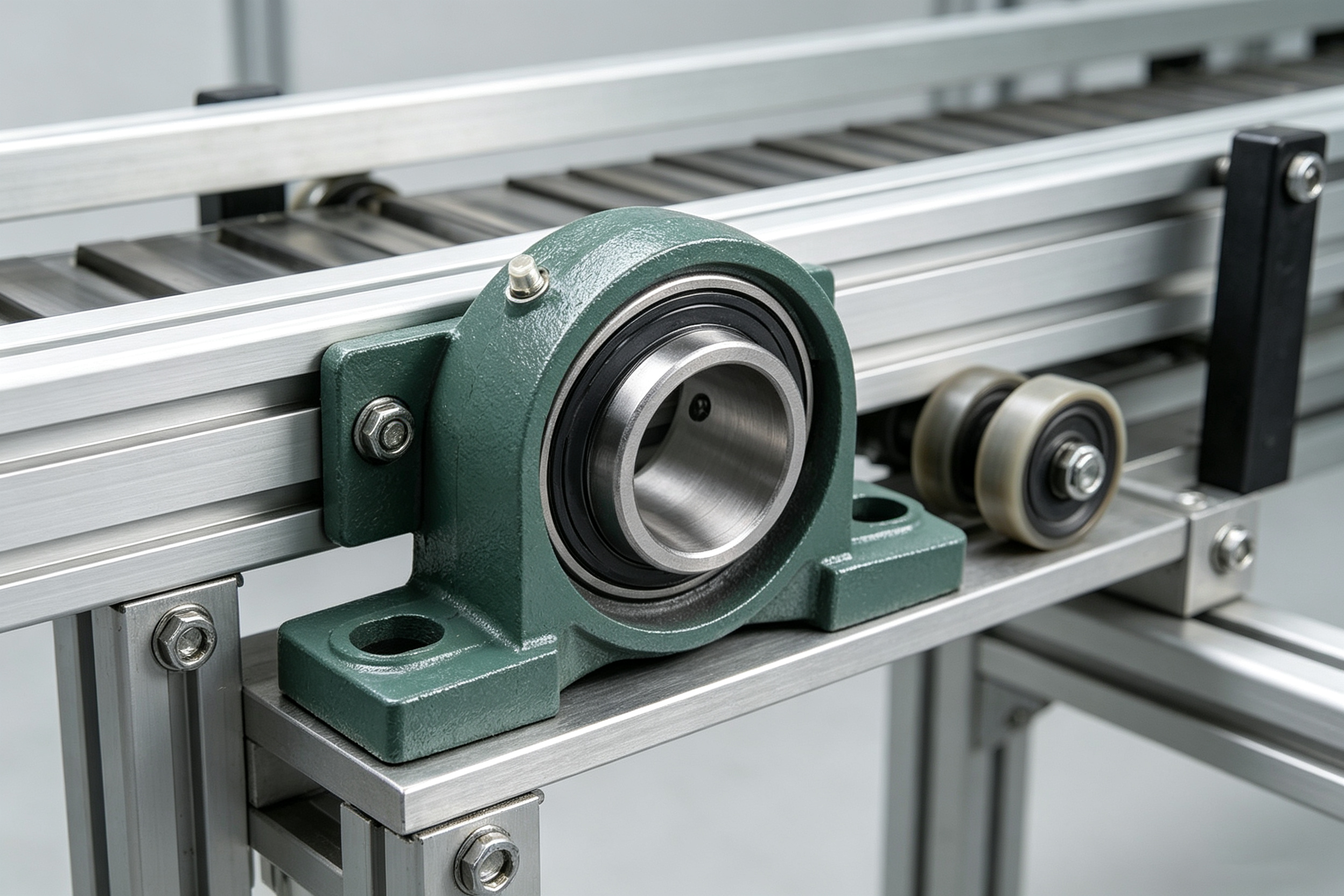
Why Bearing Fits Matter
A rolling bearing usually consists of an inner ring, outer ring, rolling elements, and a cage. When the bearing operates, one ring typically rotates while the other remains stationary. The rotating ring normally needs an interference fit so it cannot slip on its seat. The stationary ring usually needs a looser fit so it can accommodate thermal expansion and minor misalignment.
If the fit is too loose, the ring may creep. Creep produces fretting corrosion, damages the shaft or housing bore, and increases vibration. If the fit is too tight, internal clearance may be reduced, friction may rise, and installation may become difficult. Excessive interference can also cause ring deformation, especially in thin-section bearings or lightweight housings.
Proper fits help achieve three goals:
- Stable positioning of the bearing rings
- Controlled internal clearance after mounting
- Reliable heat transfer from the bearing to the shaft or housing
Common Fit Types
| Fit Type | Description | Typical Effect |
|---|
| Fit Type | Description | Typical Effect |
|---|---|---|
| Clearance fit | Shaft or housing is slightly larger or smaller than the bearing seat | Easier assembly; allows movement or thermal expansion |
| Transition fit | May produce slight clearance or slight interference | Balanced positioning and assembly convenience |
| Interference fit | Mating part is slightly larger than the bearing bore or smaller than the housing bore | Prevents ring slip; improves load transfer |
In most applications, the rotating ring receives an interference fit, while the non-rotating ring receives a clearance or transition fit. However, the final selection must consider load direction, load magnitude, speed, temperature, and whether the shaft or housing is made of steel, cast iron, aluminum, or another material.
How Load Conditions Influence Fit Selection
Load condition is one of the most important factors when selecting shaft and housing fits. Engineers usually classify load conditions into three types.
| Load Condition | Description | Recommended Ring Fit |
|---|
| Load Condition | Description | Recommended Ring Fit |
|---|---|---|
| Rotating inner ring load | Inner ring rotates under radial load | Interference fit on shaft; clearance or transition fit in housing |
| Rotating outer ring load | Outer ring rotates under radial load | Interference fit in housing; clearance or transition fit on shaft |
| Indeterminate or oscillating load | Load direction changes or oscillates | Often requires interference fits on both rings, depending on severity |
When the load rotates relative to a ring, that ring must be prevented from creeping. For example, in a typical electric motor, the inner ring rotates with the shaft and carries a rotating load. The inner ring usually needs an interference fit on the shaft. The outer ring usually sits in a stationary housing and can use a looser fit.
In a wheel hub or pulley application, the outer ring may rotate or the load pattern may change. In these cases, the housing fit may need to be tighter than in a standard motor application.
Shaft Tolerance Recommendations
Shaft tolerances are commonly expressed using ISO tolerance classes. The correct class depends on bearing type, load, and operating conditions.
| Application Condition | Typical Shaft Tolerance | Reason |
|---|
| Application Condition | Typical Shaft Tolerance | Reason |
|---|---|---|
| Light load, stationary inner ring | g6, h6 | Allows easier mounting; reduces risk of excessive clearance loss |
| Normal load, rotating inner ring | j6, k6 | Provides secure seating with moderate interference |
| Heavy load, high vibration, or impact | m6, n6 | Prevents inner ring creep under demanding conditions |
| Very heavy interference required | p6, r6 | Used only when design and clearance allow |
For small bearings, even a small interference can significantly affect internal clearance. For large bearings, thermal expansion and mounting method become more important. When interference fits are used, heating the inner ring or cooling the shaft may be necessary to avoid damaging the bearing during installation.
Housing Tolerance Recommendations
Housing fits are usually selected based on whether the outer ring is stationary or rotating, whether the housing is split or solid, and whether the housing material is steel, cast iron, or aluminum.
| Housing Condition | Typical Housing Tolerance | Reason |
|---|
| Housing Condition | Typical Housing Tolerance | Reason |
|---|---|---|
| Stationary outer ring, normal load | H7, J7 | Allows slight movement; supports heat expansion |
| Outer ring must not rotate | K7, M7 | Provides tighter seating for rotating outer ring load |
| Split housing or thin-walled housing | H7, G7 | Reduces risk of housing distortion |
| Aluminum or light alloy housing | May require tighter class | Compensates for lower stiffness and higher thermal expansion |
Aluminum housings expand more than steel housings when heated. Therefore, a fit that works well in a cast iron housing may become too loose in an aluminum housing at operating temperature. In such cases, a tighter housing tolerance or a specially designed housing seat may be required.
Internal Clearance and Mounting Effects
Selecting the correct fit also requires attention to internal clearance. An interference fit reduces internal clearance because the bearing ring expands or contracts during mounting. If clearance is reduced too much, the bearing may run hot or fail early. If clearance remains too large, vibration and noise may increase.
For general industrial applications, normal internal clearance is often suitable. For applications with high temperature, heavy interference fits, or large temperature differences between the inner and outer rings, a larger clearance class such as C3 may be more appropriate. For precision machine tools or high-speed spindles, tighter clearance or preload may be required.
Mounting method also matters. Press fitting, hydraulic mounting, induction heating, and oil injection methods should be selected according to bearing size and fit severity. Mechanical force should never be transmitted through the rolling elements. Force should be applied to the ring being fitted.
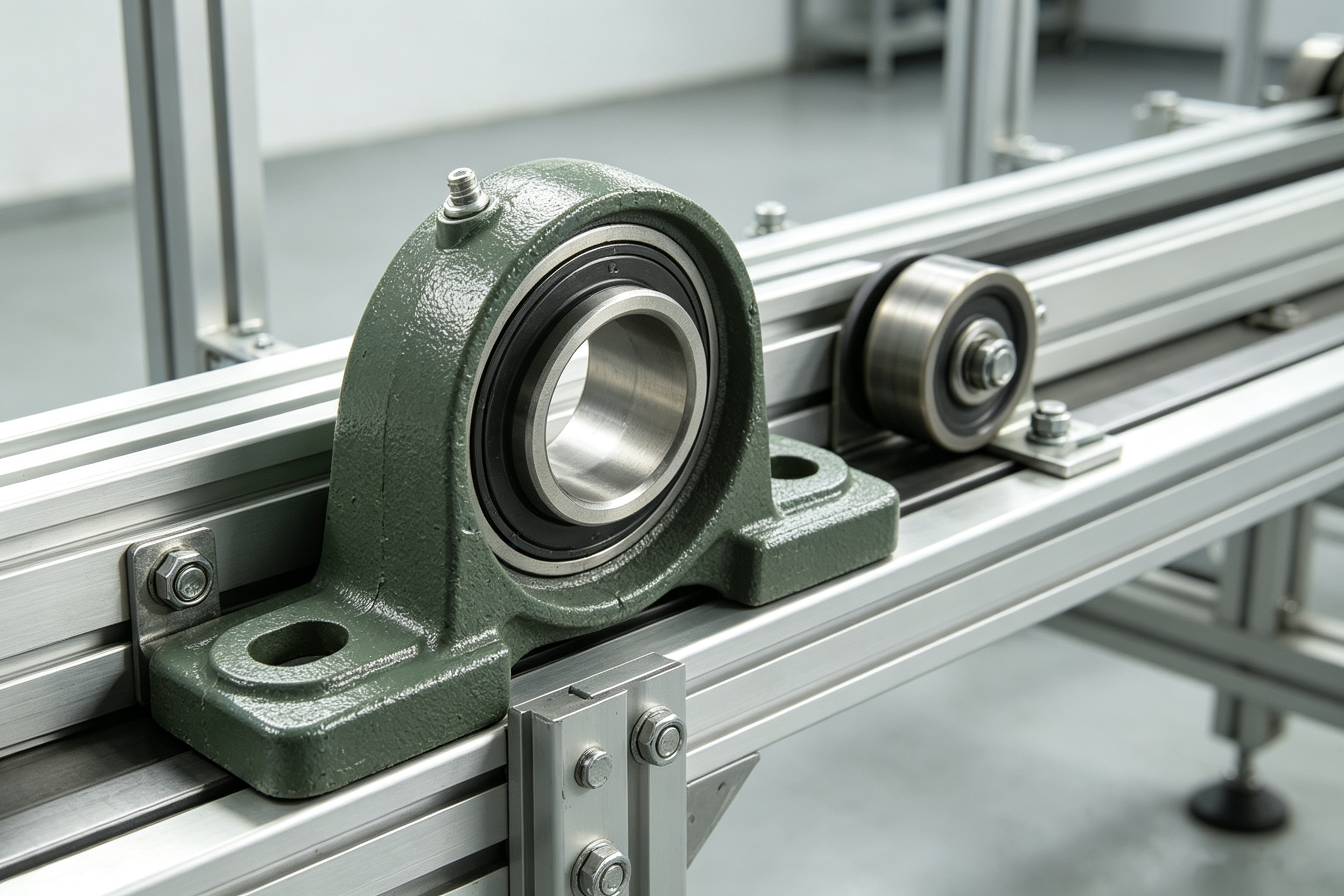
Key Checks Before Finalizing a Fit
Before confirming shaft and housing tolerances, review the following points:
- Which ring rotates under load
- Whether the load is light, normal, heavy, or shock-type
- Operating speed and expected temperature rise
- Shaft and housing materials
- Required internal clearance after mounting
- Mounting and dismounting requirements
- Whether the housing is solid, split, thin-walled, or made of light alloy
Manufacturers’ catalogs and ISO 286 tolerance standards provide detailed guidance. For critical equipment, it is advisable to confirm fit selection with bearing technical data, application history, and, when possible, field measurement results.
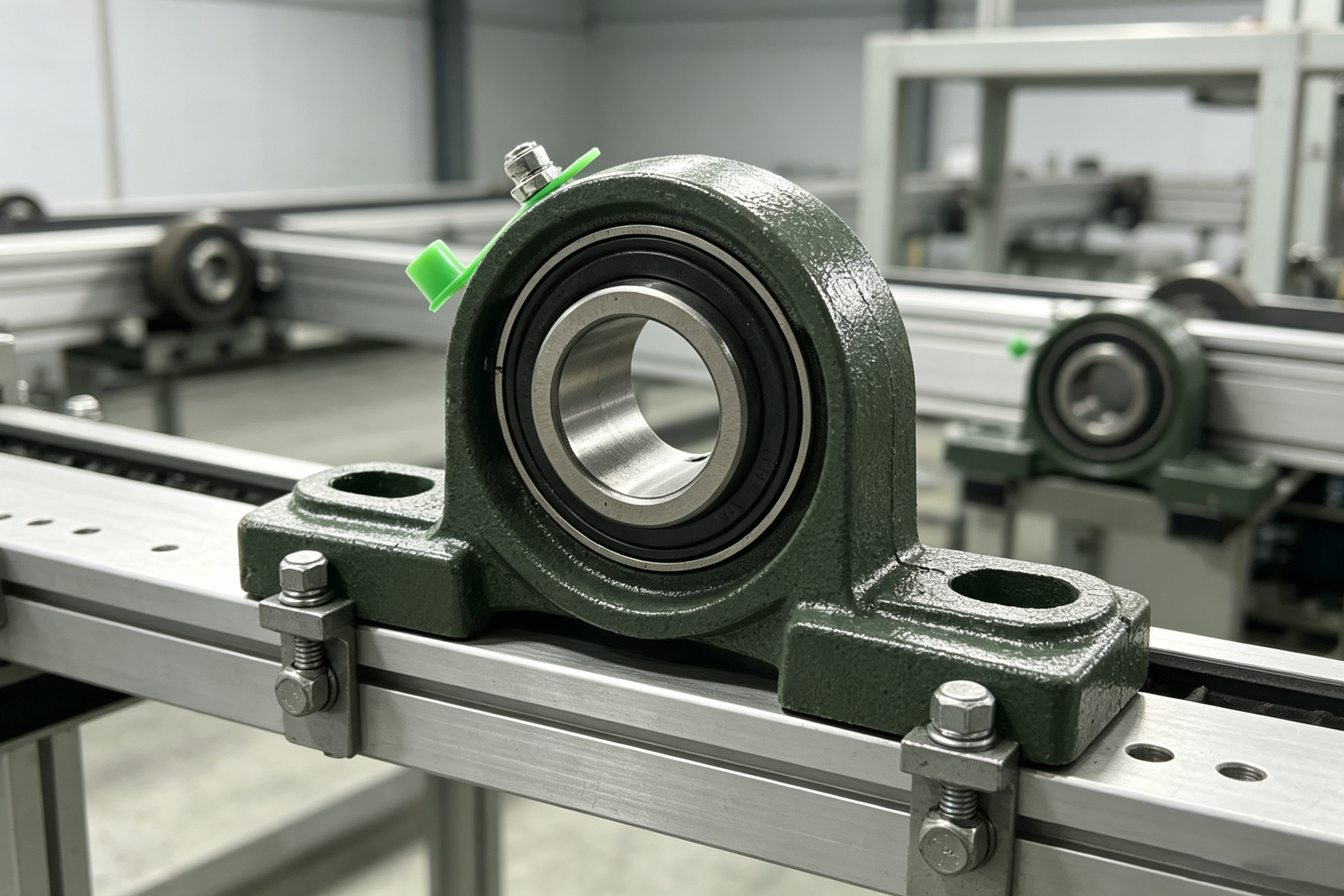
Final Thoughts
Shaft and housing fits are not a small detail. They directly influence bearing stability, temperature, noise, fatigue life, and maintenance cost. A well-chosen fit keeps the rotating ring secure, allows the stationary ring to respond to thermal changes, and preserves the bearing’s designed internal clearance.
For most industrial applications, the inner ring receives an interference fit when it carries a rotating load, while the outer ring uses a looser fit in the housing. However, every application should be evaluated based on real operating conditions rather than copied from a previous design. Proper fit selection, correct mounting, and verified internal clearance together form the foundation of reliable bearing performance.
FAQ: Shaft and Housing Fits for Bearings
Q: What is the difference between a clearance fit and an interference fit?
A: A clearance fit allows easy assembly and slight movement, while an interference fit creates a tight connection to prevent ring slippage.
A: A clearance fit allows easy assembly and slight movement, while an interference fit creates a tight connection to prevent ring slippage.
Q: Which ring should have the interference fit?
A: Generally, the ring that rotates relative to the load direction requires an interference fit to prevent creep.
A: Generally, the ring that rotates relative to the load direction requires an interference fit to prevent creep.
Q: How does an interference fit affect internal clearance?
A: Mounting an interference fit reduces the bearing’s internal clearance, which must be accounted for during selection.
A: Mounting an interference fit reduces the bearing’s internal clearance, which must be accounted for during selection.
Q: Why do aluminum housings often need tighter tolerances?
A: Aluminum expands more than steel or cast iron at operating temperatures, potentially causing a loose fit if not compensated.
A: Aluminum expands more than steel or cast iron at operating temperatures, potentially causing a loose fit if not compensated.
Q: What happens if the fit is too loose?
A: A loose fit can cause ring creep, leading to fretting corrosion, vibration, and damage to the shaft or housing.
A: A loose fit can cause ring creep, leading to fretting corrosion, vibration, and damage to the shaft or housing.
Q: What is the risk of a fit being too tight?
A: Excessive interference can reduce internal clearance too much, causing overheating and premature bearing failure.
A: Excessive interference can reduce internal clearance too much, causing overheating and premature bearing failure.
Q: Which ISO tolerance is common for a rotating inner ring?
A: Tolerances like k6 or m6 are commonly used for rotating inner rings under normal to heavy loads.
A: Tolerances like k6 or m6 are commonly used for rotating inner rings under normal to heavy loads.
Post time: Nov-11-2026