


The global manufacturing landscape is undergoing a seismic shift, driven by the rapid adoption of collaborative robots, or “cobots.” Unlike traditional industrial robots confined behind safety cages, cobots are designed to work safely alongside human operators, handling tasks ranging from precision assembly to delicate packaging. At the heart of this robotics revolution lies a critical, yet often overlooked, component: the thin-section bearing. As a leading manufacturer of precision motion solutions, we recognize that the success of next-generation cobots depends heavily on the performance of these specialized bearings.
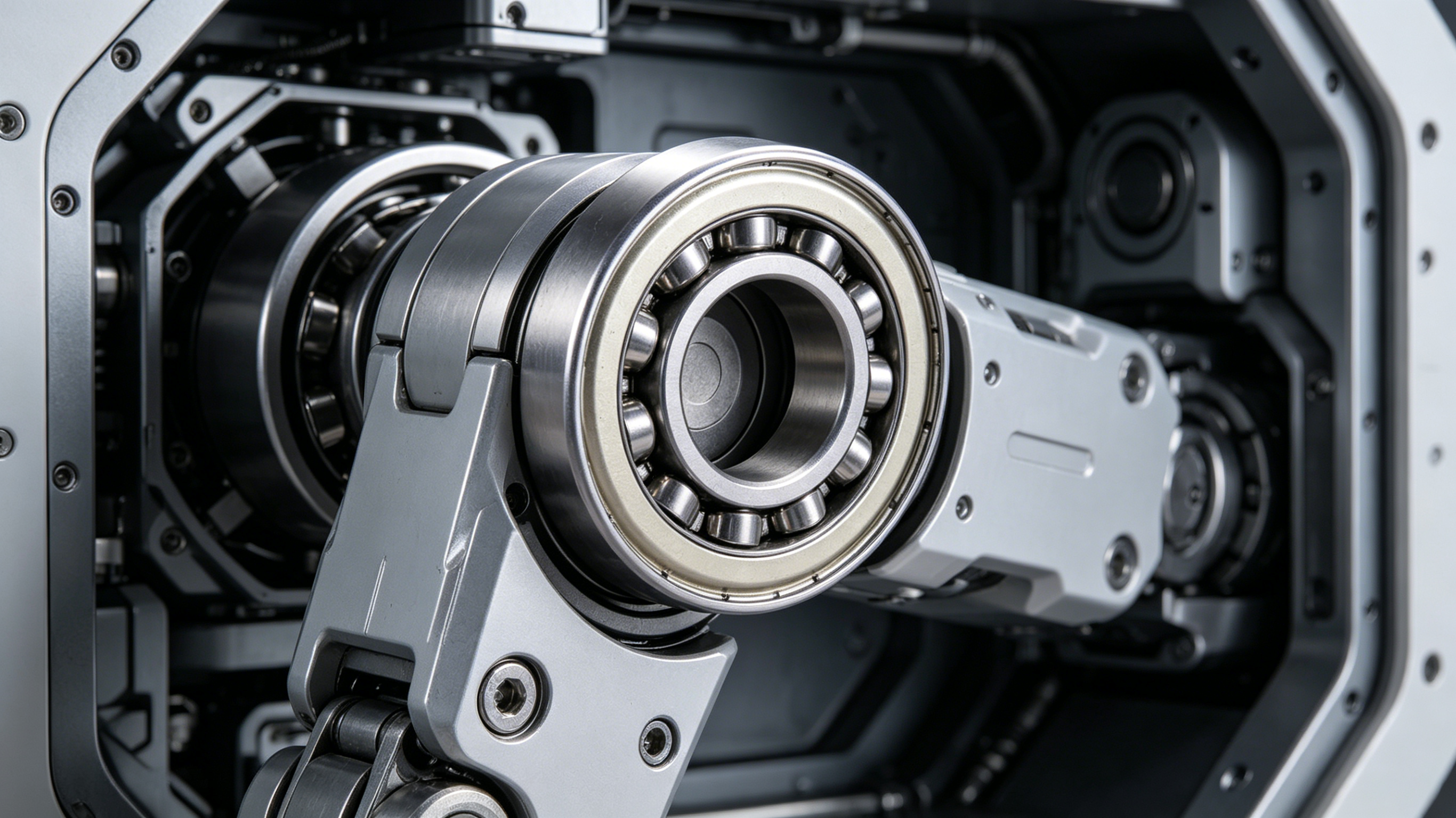
The Engineering Imperative: Why Thin-Section Bearings?
Cobots are fundamentally different from their heavy-duty industrial counterparts. They require high flexibility, lightweight articulation, and exceptional precision. Thin-section bearings—specifically thin-section deep groove ball bearings and cross-roller bearings—are engineered to meet these exacting demands. By utilizing an extremely thin cross-section, these bearings enable significant miniaturization and weight reduction without compromising structural integrity.
The unique geometry of thin-section bearings provides several distinct advantages for robotic joints:
- Space and Weight Savings: The ultra-thin inner and outer rings minimize the footprint of the joint, allowing for sleeker robot arm designs and reduced overall payload weight.
- High Rotational Precision: Utilizing small-diameter steel balls and precision-ground raceways, these bearings offer low friction, high limiting speeds, and superior rotational accuracy, which is vital for precise end-effector positioning.
- Multi-Directional Load Capacity: Advanced designs, such as cross-roller configurations, allow a single bearing to simultaneously handle radial loads, bidirectional axial loads, and overturning moments, simplifying the mechanical design of the robot joint.
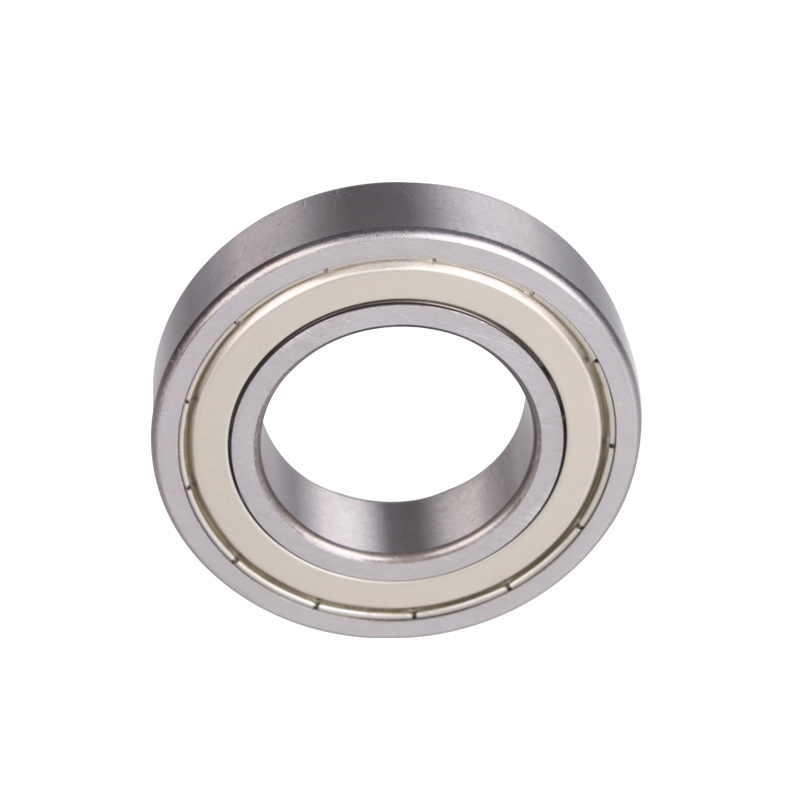
Comparative Analysis: Thin-Section vs. Traditional Bearings
To understand why thin-section bearings have become the mainstream choice for collaborative robots, it is essential to compare them with standard bearing solutions. The following table highlights the critical differences in performance characteristics:
| Feature | Thin-Section Bearings | Standard Deep Groove Bearings | Impact on Cobots |
|---|---|---|---|
| Cross-Section | Extremely thin, uniform | Standard, bulky | Enables lightweight, compact joint design |
| Load Capacity | Radial, axial, and moment loads | Primarily radial loads | Handles complex multi-axis forces in robot arms |
| Rotational Precision | Ultra-high (up to P2 grade) | Standard to High | Ensures accurate path programming and repeatability |
| Friction & Inertia | Very low | Moderate | Reduces motor torque requirements and energy consumption |
Material Science and Manufacturing Excellence
Achieving the delicate balance of thinness and strength requires advanced material science and stringent manufacturing processes. Thin-section bearings for cobots are not merely scaled-down versions of standard bearings; they demand specialized engineering. The selection of high-purity bearing steel, precise heat treatment, and advanced cage design are critical to preventing deformation under load and ensuring long service life.
Recent advancements in bearing technology have focused on optimizing the internal geometry to distribute loads evenly across the rolling elements. This uniform load distribution enhances the bearing’s rigidity and resistance to shock loads, which is particularly important in dynamic cobot applications where sudden movements or unexpected human interaction may occur. Furthermore, integrated sealing solutions protect the precision internals from dust and debris while retaining specialized lubricants, ensuring maintenance-free operation over extended periods.
Application Matrix in Collaborative Robotics
The versatility of thin-section bearings allows them to be deployed across various joints within a collaborative robot. Below is a breakdown of typical applications based on bearing type:
| Bearing Type | Primary Application in Cobots | Key Functional Benefit |
|---|---|---|
| Thin-Section Deep Groove | Wrist joints, end-effector rotation | High-speed rotation, low friction, compact size |
| Cross-Roller Bearings | Base rotation, shoulder/elbow joints | High rigidity, combined load support, high precision |
| Harmonic Drive Bearings | Integrated gear reduction units | Seamless integration, space-saving, torque density |
Future Outlook and Industry Standards
As the collaborative robotics market continues to expand, the demand for higher precision and greater reliability in bearings will only intensify. The industry is currently moving toward more standardized testing and quality control protocols specifically tailored for robotic bearings. Leading manufacturers are investing heavily in R&D to develop next-generation thin-section bearings that offer even lower friction, higher dynamic load ratings, and smarter integration capabilities, such as embedded condition monitoring sensors.
For OEMs designing the next generation of cobots, selecting the right bearing partner is as crucial as selecting the right servo motor or controller. A bearing that fails to meet the precision or durability requirements can compromise the entire robotic system’s performance and safety.
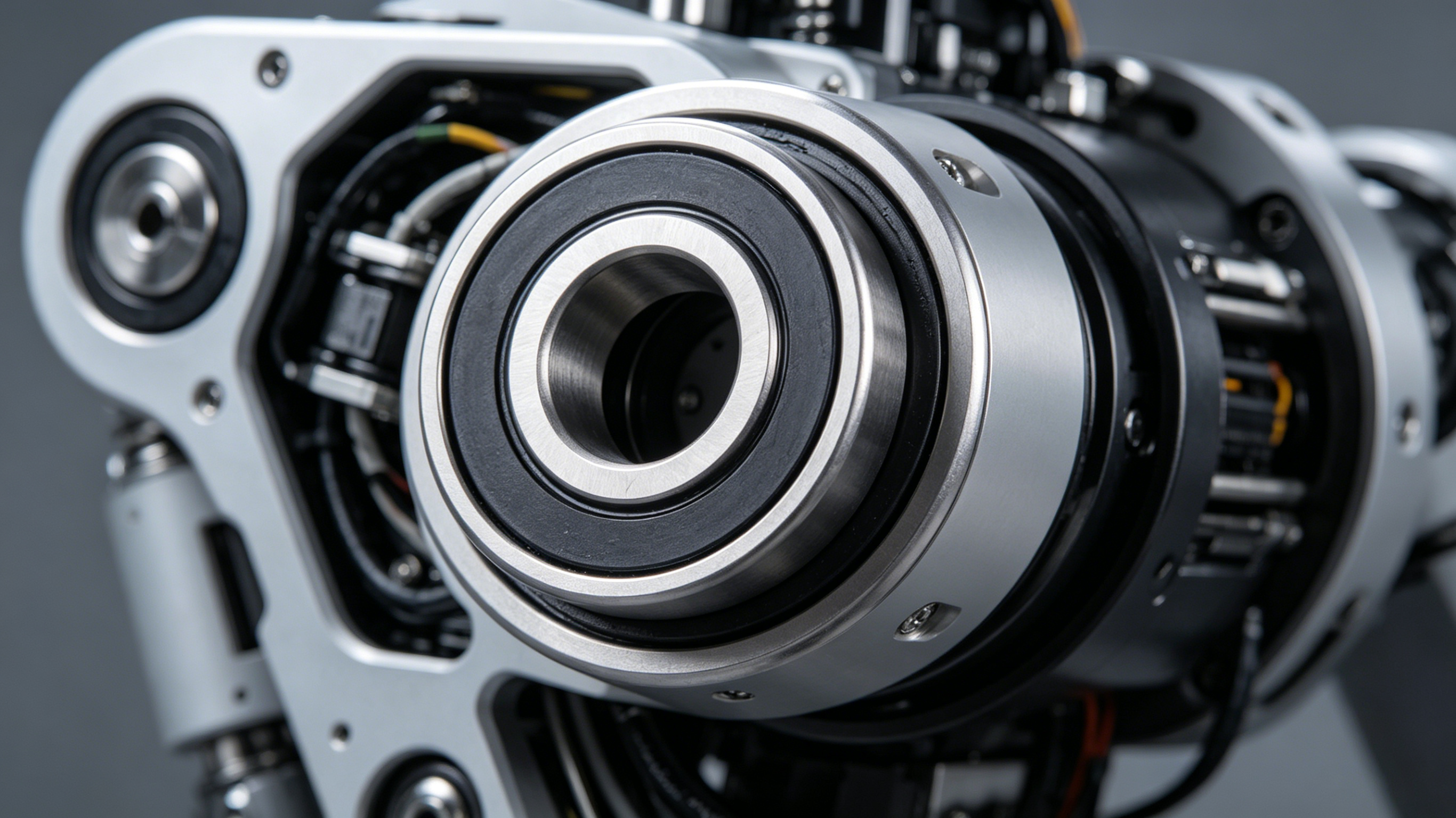 Conclusion
The robotics revolution is being built on a foundation of precision engineering, and thin-section bearings are the unsung heroes of this movement. By enabling lighter, more agile, and highly accurate collaborative robots, these components are directly facilitating safer and more efficient human-machine interaction. As we continue to push the boundaries of what cobots can achieve, the evolution of thin-section bearing technology will remain at the forefront, driving innovation and setting new standards in automated manufacturing.
Frequently Asked Questions (FAQ)
Q: What is a thin-section bearing?
A: It is a specialized precision bearing with an ultra-thin cross-section, designed to save space and reduce weight in compact machinery.
A: It is a specialized precision bearing with an ultra-thin cross-section, designed to save space and reduce weight in compact machinery.
Q: Why are they essential for collaborative robots?
A: They enable lightweight, highly flexible robot joints while maintaining the high precision and multi-directional load capacity required for safe human-robot interaction.
A: They enable lightweight, highly flexible robot joints while maintaining the high precision and multi-directional load capacity required for safe human-robot interaction.
Q: What loads can thin-section bearings handle?
A: Advanced designs, like cross-roller bearings, can simultaneously support radial, axial, and overturning moment loads.
A: Advanced designs, like cross-roller bearings, can simultaneously support radial, axial, and overturning moment loads.
Q: How do they compare to standard bearings?
A: They are significantly lighter and more compact, offering superior rotational precision and lower friction compared to traditional bulky bearings.
A: They are significantly lighter and more compact, offering superior rotational precision and lower friction compared to traditional bulky bearings.
Q: Where are they typically used in a cobot?
A: They are commonly deployed in wrist joints, end-effectors, base rotations, and integrated harmonic drive units.
A: They are commonly deployed in wrist joints, end-effectors, base rotations, and integrated harmonic drive units.
Q: Do they require frequent maintenance?
A: No. Most are equipped with integrated seals and specialized lubricants to ensure long-term, maintenance-free operation.
A: No. Most are equipped with integrated seals and specialized lubricants to ensure long-term, maintenance-free operation.
Post time: Jun-18-2026