


The industrial landscape is undergoing a profound transformation, driven by the relentless pursuit of efficiency, safety, and predictive maintenance. At the heart of this revolution is a critical, yet often overlooked, component: the bearing. Traditionally viewed as simple mechanical parts designed to reduce friction, bearings are evolving into sophisticated “smart” systems. Thanks to embedded sensors and advanced data analytics, smart bearings are redefining how industries monitor equipment health, predict failures, and optimize operational performance.
What Are Smart Bearings?
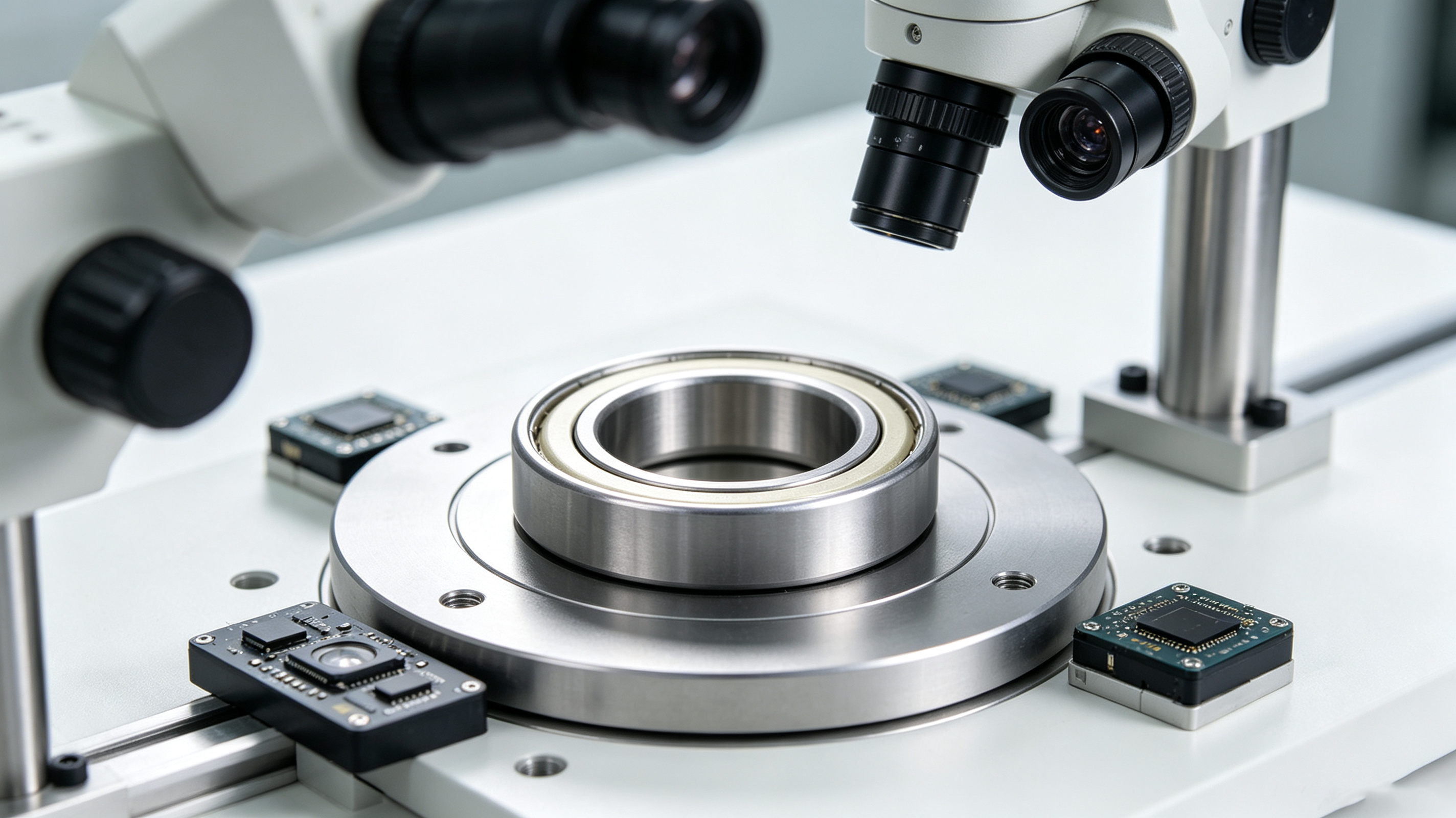
Smart bearings represent the convergence of mechanical engineering and digital technology. Unlike traditional bearings that solely provide mechanical support, smart bearings integrate miniature sensors, signal processing modules, and wireless communication units directly into their structure. This integration enables them to monitor critical operational parameters in real-time, including temperature, vibration, load, rotational speed, and wear conditions.
By transforming a passive mechanical component into an active data-gathering node, smart bearings create a closed-loop “sense-and-respond” capability. This continuous stream of data forms the backbone of predictive maintenance strategies, allowing operators to transition from reactive repairs to proactive, condition-driven management.
The Critical Role of Failure Analysis in the Smart Era
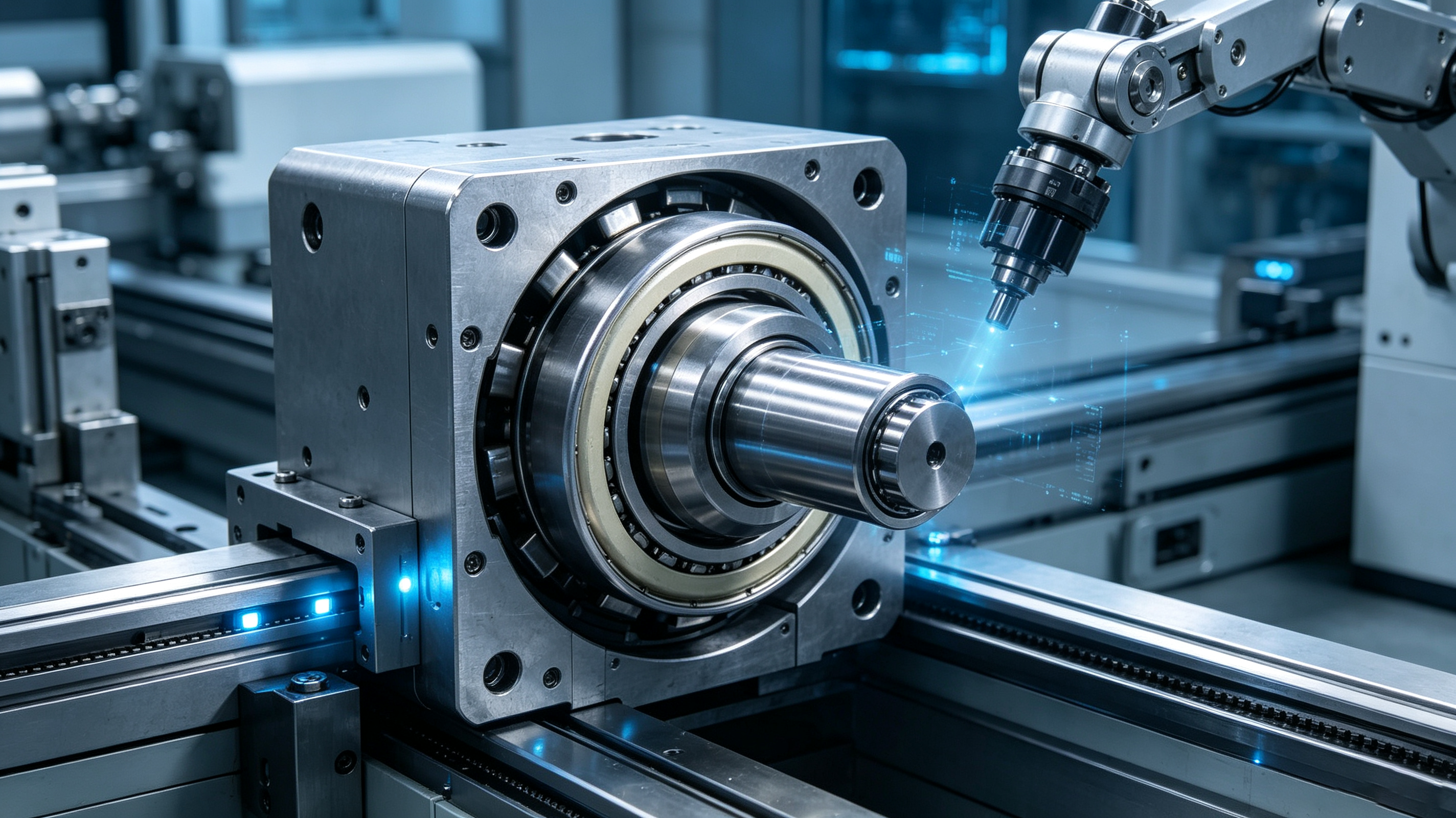
A common misconception in the industry is that smart bearings eliminate the need for traditional bearing failure analysis. In reality, the advent of smart technology makes expert failure analysis more crucial than ever. While smart bearings provide invaluable data—such as irregular vibration patterns or thermal anomalies—interpreting these indicators requires specialized knowledge.
Statistics indicate that approximately 70% of all bearing failures stem from preventable issues like poor fitting, improper lubrication, contamination, misalignment, or overloading. Smart sensors can alert operators to these anomalies, but translating raw data into actionable insights demands human expertise. Precision bearing specialists bridge this gap, leveraging state-of-the-art diagnostic tools and decades of experience to uncover root causes. This synergy between digital monitoring and expert analysis ensures that data is not merely collected, but understood and acted upon to extend equipment life and prevent catastrophic system failures.
Comparing Traditional and Smart Bearings
To understand the magnitude of this technological leap, it is essential to compare traditional bearings with their smart counterparts across several key dimensions.
| Feature | Traditional Bearings | Smart Bearings |
|---|---|---|
| Primary Function | Mechanical support and friction reduction | Mechanical support + Real-time condition monitoring |
| Maintenance Strategy | Reactive or scheduled preventive maintenance | Predictive and condition-driven maintenance |
| Data Availability | None (requires external, often inaccurate, sensors) | Integrated, continuous, and highly accurate internal data |
| Failure Detection | Post-failure or during routine manual inspections | Early warning through continuous parameter tracking |
| Cost Implication | Lower upfront cost, higher long-term downtime risk | Higher initial investment, significant long-term ROI |
Key Technologies Driving the Revolution
The intelligence of a smart bearing relies on several cutting-edge technologies working in harmony. The core of this system is the perception microsystem, which typically includes MEMS (Micro-Electro-Mechanical Systems) accelerometers, temperature sensors, and strain gauges. These components are meticulously embedded into the bearing’s inner ring or cage without compromising its mechanical integrity or load-bearing capacity.
Data transmission is handled via robust industrial wireless protocols such as Bluetooth, LoRa, or Industrial Wi-Fi, sending information to local gateways or cloud platforms. On the analytical side, edge computing and artificial intelligence algorithms process this data to identify specific fault patterns, such as pitting, cracking, or lubrication degradation. Furthermore, some advanced smart bearings now feature self-powering capabilities, utilizing energy harvesting technologies to convert operational vibration or thermal gradients into electricity, thereby enhancing system reliability and deployment flexibility.
Industry Applications and Economic Impact
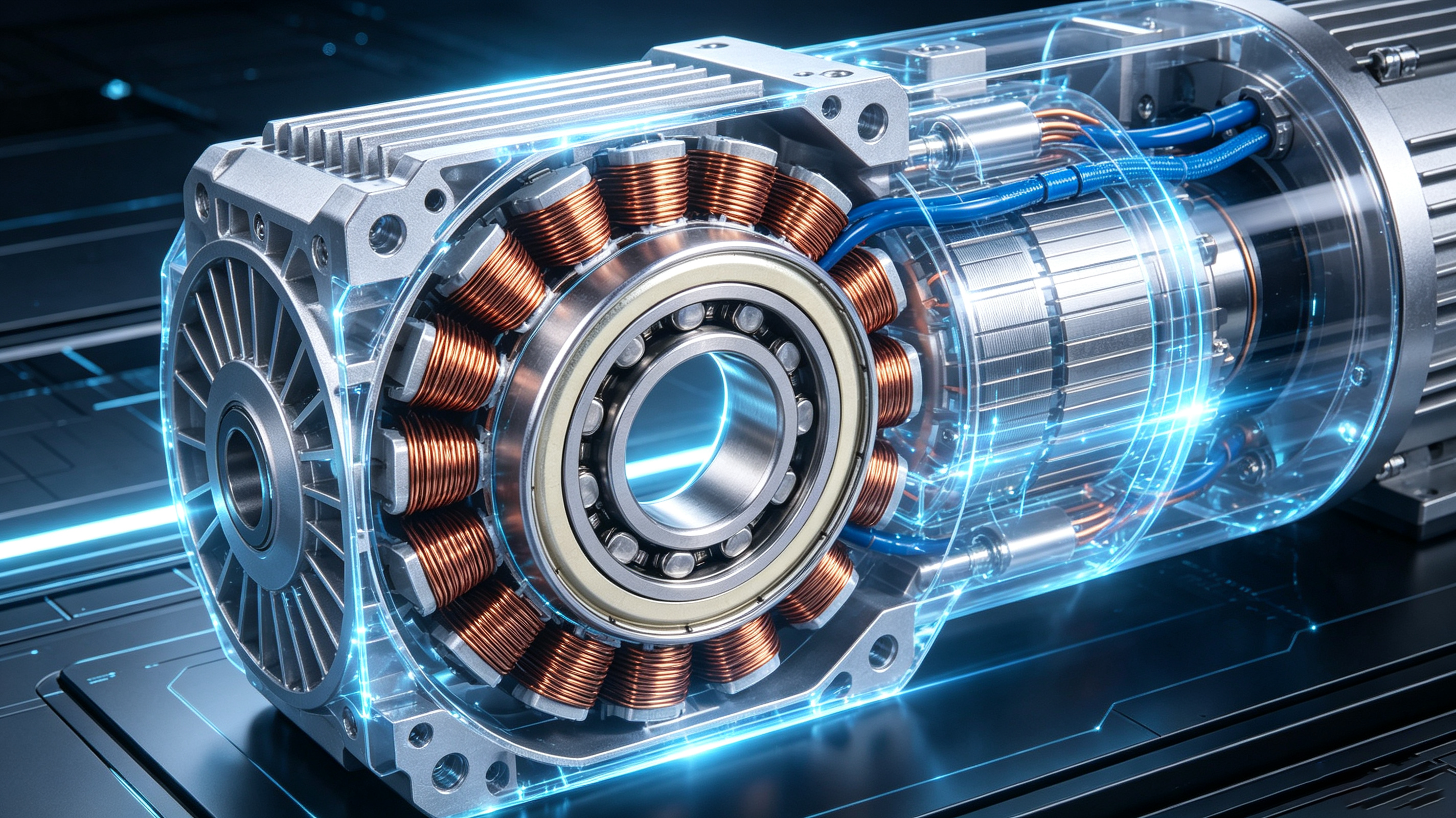
The deployment of smart bearings is delivering tangible value across high-stakes industries. In wind power generation, for instance, replacing a failed main shaft bearing involves massive logistical challenges and exorbitant costs. Smart bearings enable continuous health monitoring, allowing operators to schedule maintenance during low-wind periods, thereby maximizing uptime and energy revenue.
Similarly, in high-precision CNC machining, even microscopic vibrations or temperature fluctuations can ruin product quality. Smart bearings provide the high-fidelity data necessary to optimize machining parameters dynamically, ensuring consistent precision. In rail transportation and heavy machinery, the ability to predict component fatigue prevents derailments and catastrophic equipment damage, directly safeguarding human lives and massive capital investments.
Core Functional Capabilities of Smart Bearings
The value proposition of smart bearings can be categorized into three primary functional pillars that drive industrial digitalization.
| Functional Pillar | Key Capabilities | Business Value |
|---|---|---|
| Condition Monitoring | Real-time tracking of vibration, temperature, and load | Eliminates blind spots in equipment health |
| Predictive Analytics | AI-driven fault pattern recognition and trend forecasting | Prevents unplanned downtime and extends asset life |
| System Integration | Seamless connectivity with MES, ERP, and digital twins | Enables holistic factory-level asset management |
The Future Outlook: Beyond the Component
As we look toward the future, smart bearings will transcend their role as mere data terminals. Driven by the expansion of Industry 4.0 and digital twin technologies, they are poised to become integral nodes in comprehensive asset lifecycle management systems. Market research projects the global smart bearings market to reach $8 billion by 2026, underscoring the accelerating demand for intelligent motion control solutions.
Future advancements will focus on standardized communication protocols, ensuring seamless interoperability between different brands and systems. Moreover, in the context of green manufacturing, smart bearings will play a pivotal role in sustainability. By optimizing lubrication strategies and maximizing service life, they directly contribute to reduced resource consumption and lower carbon emissions.
Conclusion
The revolution brought about by smart bearings is not just about adding sensors to steel; it is about fundamentally changing how we interact with industrial machinery. By combining the relentless vigilance of embedded microsystems with the irreplaceable expertise of human failure analysis, industries can achieve unprecedented levels of reliability and efficiency. As this technology continues to mature, smart bearings will undoubtedly remain the intelligent joints of modern industry, driving us toward a safer, more efficient, and sustainable future.
Frequently Asked Questions (FAQ)
Q: What exactly is a smart bearing?
A: It is a traditional bearing integrated with miniature sensors and wireless modules to monitor real-time data like temperature, vibration, and load.
A: It is a traditional bearing integrated with miniature sensors and wireless modules to monitor real-time data like temperature, vibration, and load.
Q: Do smart bearings completely replace traditional failure analysis?
A: No. While they provide critical data, human expertise is still required to interpret the data and identify the root causes of failures.
A: No. While they provide critical data, human expertise is still required to interpret the data and identify the root causes of failures.
Q: What is the main benefit of using smart bearings?
A: They enable predictive maintenance, helping to prevent unexpected downtime, extend equipment life, and reduce overall maintenance costs.
A: They enable predictive maintenance, helping to prevent unexpected downtime, extend equipment life, and reduce overall maintenance costs.
Q: How do smart bearings get their power?
A: Most use internal batteries, while advanced models feature energy-harvesting technology that generates power from operational vibrations or heat.
A: Most use internal batteries, while advanced models feature energy-harvesting technology that generates power from operational vibrations or heat.
Q: Can smart bearings be used in existing machinery?
A: Yes, they are designed to be retrofitted into various industrial equipment to upgrade traditional systems to smart, condition-monitoring setups.
A: Yes, they are designed to be retrofitted into various industrial equipment to upgrade traditional systems to smart, condition-monitoring setups.
Q: Are smart bearings more expensive than traditional ones?
A: The initial investment is higher, but they offer significant long-term ROI by preventing catastrophic failures and optimizing maintenance schedules.
A: The initial investment is higher, but they offer significant long-term ROI by preventing catastrophic failures and optimizing maintenance schedules.
Post time: Jul-06-2026