


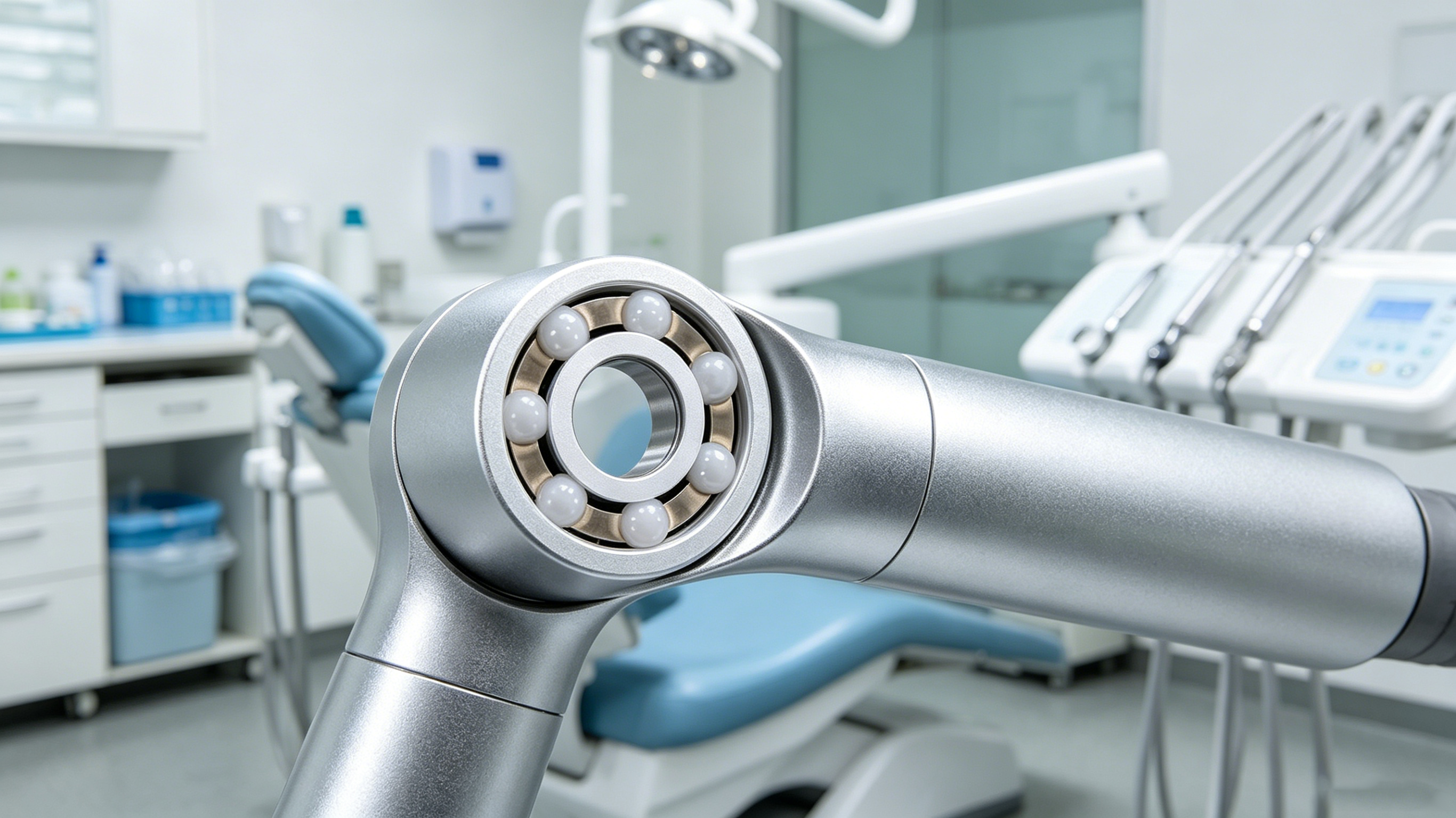
In the high-stakes environment of modern dentistry, precision and patient comfort are paramount. The dental handpiece, often referred to as the “workhorse” of the clinic, operates under extreme conditions: high rotational speeds, intense heat, moisture, and rigorous sterilization protocols. At the heart of this miniature powerhouse lies a critical component that dictates its performance, longevity, and safety—the bearing. In recent years, the industry has witnessed a definitive shift from traditional stainless steel bearings to advanced ceramic bearings. But what makes ceramic bearings the undisputed champion in dental applications?
The Extreme Demands of Dental Handpieces
Dental handpieces are marvels of micro-engineering. A standard high-speed dental turbine can reach rotational speeds of up to 400,000 RPM, with some advanced models pushing even further. To put this into perspective, an F1 race car engine typically maxes out at around 15,000 RPM. Operating at such extreme velocities generates immense centrifugal force, high-frequency vibrations, and significant heat.
Furthermore, dental handpieces are exposed to a harsh operational environment. They are constantly subjected to acidic saliva, blood, and chemical cleaning agents, followed by repeated high-temperature, high-pressure steam sterilization (autoclaving at 134°C). Traditional steel bearings often fail prematurely under these conditions, leading to reduced cutting efficiency, excessive noise, and potential cross-contamination risks. This is where ceramic bearings step in to redefine medical device precision.
The Material Advantage: Silicon Nitride (Si3N4)
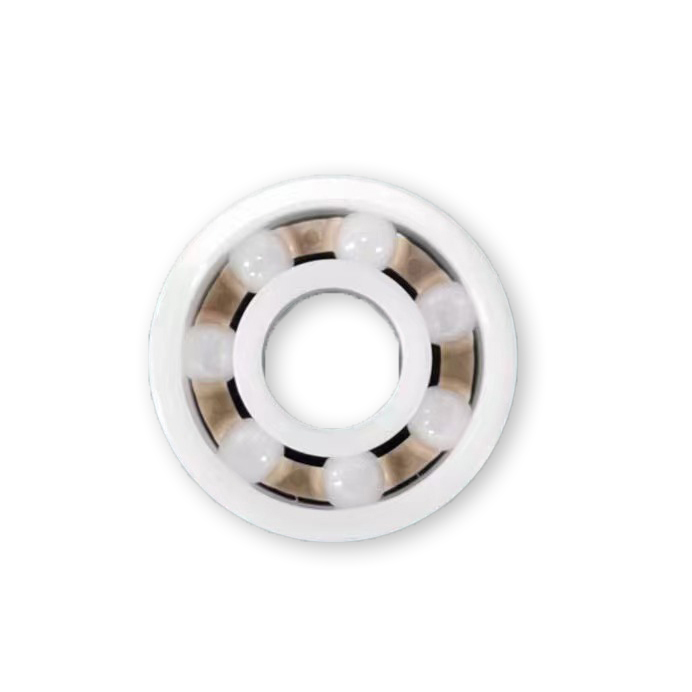
The secret behind the dominance of ceramic bearings lies in the use of Silicon Nitride (Si3N4) rolling elements. Often referred to as the “pearl in the crown of advanced ceramics,” Si3N4 possesses a unique combination of physical properties that perfectly align with the rigorous demands of dental medicine.
Table 1: Silicon Nitride vs. Traditional Bearing Steel
| Property | Silicon Nitride (Si3N4) Ceramic | Traditional Bearing Steel (AISI 52100) | Advantage in Dental Handpieces |
|---|---|---|---|
| Density | ~3.2 g/cm³ (60% lighter than steel) | ~7.8 g/cm³ | Reduces centrifugal force at high RPMs, minimizing wear on the outer ring. |
| Thermal Expansion | Very Low | High | Maintains precise internal clearance even when the handpiece heats up during drilling. |
| Hardness | Extremely High (HV 1500+) | Moderate | Superior wear resistance, significantly extending the service life of the handpiece. |
| Corrosion Resistance | Exceptional (Chemically inert) | Susceptible to rust and pitting | Withstands saliva, blood, and repeated 134°C autoclave sterilization without degradation. |
Enhancing Clinical Performance and Patient Comfort
The transition to hybrid ceramic bearings (featuring ceramic balls and stainless steel or ceramic rings) is not just a mechanical upgrade; it directly translates to better clinical outcomes and improved patient experiences.
1. Unmatched High-Speed Stability
Because silicon nitride balls are significantly lighter than their steel counterparts, they generate less centrifugal force at ultra-high speeds. This allows the handpiece to maintain optimal RPMs even under the heavy axial and radial loads of cutting through enamel or bone. The result is smoother, more efficient cutting with less chatter, reducing procedure time.
Because silicon nitride balls are significantly lighter than their steel counterparts, they generate less centrifugal force at ultra-high speeds. This allows the handpiece to maintain optimal RPMs even under the heavy axial and radial loads of cutting through enamel or bone. The result is smoother, more efficient cutting with less chatter, reducing procedure time.
2. Low Friction and Thermal Management
Ceramic materials inherently possess lower friction coefficients and excellent thermal insulation properties. During high-speed drilling, ceramic bearings generate less heat compared to steel bearings. This not only prevents thermal damage to the patient’s tooth pulp but also protects the bearing’s internal lubrication from breaking down, ensuring consistent torque and preventing the handpiece from stalling.
Ceramic materials inherently possess lower friction coefficients and excellent thermal insulation properties. During high-speed drilling, ceramic bearings generate less heat compared to steel bearings. This not only prevents thermal damage to the patient’s tooth pulp but also protects the bearing’s internal lubrication from breaking down, ensuring consistent torque and preventing the handpiece from stalling.
3. Acoustic Comfort
Dental anxiety is a widespread issue, and the high-pitched whine of a failing steel bearing is a primary trigger. Ceramic bearings operate much more quietly due to their superior surface finish and lower friction. Operating noise levels can be kept below 45dB, creating a calmer, less stressful environment for patients.
Dental anxiety is a widespread issue, and the high-pitched whine of a failing steel bearing is a primary trigger. Ceramic bearings operate much more quietly due to their superior surface finish and lower friction. Operating noise levels can be kept below 45dB, creating a calmer, less stressful environment for patients.
Sterilization and Biocompatibility: The Medical Imperative
In medical devices, hygiene is non-negotiable. Dental handpieces must endure thousands of sterilization cycles without compromising their structural integrity. Traditional steel bearings can suffer from micro-pitting and corrosion over time, creating microscopic crevices where bacteria can hide and survive the sterilization process.
Table 2: Sterilization and Hygiene Comparison
| Feature | Ceramic Bearings | Standard Steel Bearings |
|---|---|---|
| Surface Porosity | Non-porous, ultra-smooth | Microscopic pores can develop over time |
| Chemical Resistance | Immune to dental chemicals & disinfectants | Vulnerable to acidic oral fluids & harsh cleaners |
| Autoclave Durability | No degradation after 1000+ cycles at 134°C | Prone to rust, leading to premature failure |
| Biocompatibility | Inert, non-toxic, zero metal ion release | Risk of metallic debris shedding into the oral cavity |
Furthermore, ceramic materials are completely non-magnetic and electrically insulating. This makes them ideal for use in modern dental clinics that utilize advanced imaging equipment like MRI or CBCT scanners, ensuring zero electromagnetic interference.
Bearing Configurations for Dental Applications
Not all dental handpieces operate under the same mechanical stresses. Manufacturers must select the appropriate bearing configuration based on the specific tool’s function.
Table 3: Radial vs. Angular Contact Bearings in Dentistry
| Bearing Type | Structural Characteristic | Load Capacity | Primary Dental Application |
|---|---|---|---|
| Radial Contact Bearing | Crowned cage, evenly distributed balls | Handles bidirectional axial loads; weaker in single-direction thrust | Low-to-medium speed dental instruments, polishing tools, and lab micromotors. |
| Angular Contact Bearing | Full complement cage, tightly packed balls | Superior combined load capacity (radial + unidirectional axial) | High-speed turbine handpieces (up to 400,000+ RPM) requiring extreme precision under heavy cutting loads. |
The Economic Perspective: Long-Term Value
It is a common misconception that ceramic bearings are too expensive for widespread clinical use. While the initial procurement cost of a hybrid ceramic bearing may be 30% to 50% higher than a standard steel bearing, the Total Cost of Ownership (TCO) tells a different story.
Due to their exceptional wear resistance and corrosion immunity, ceramic bearings can extend the service life of a dental handpiece by 2 to 3 times. This drastically reduces the frequency of repairs, minimizes clinic downtime, and lowers the risk of catastrophic failure during a procedure. For dental practices and medical device manufacturers, investing in ceramic bearings is an investment in reliability, safety, and long-term profitability.
Conclusion
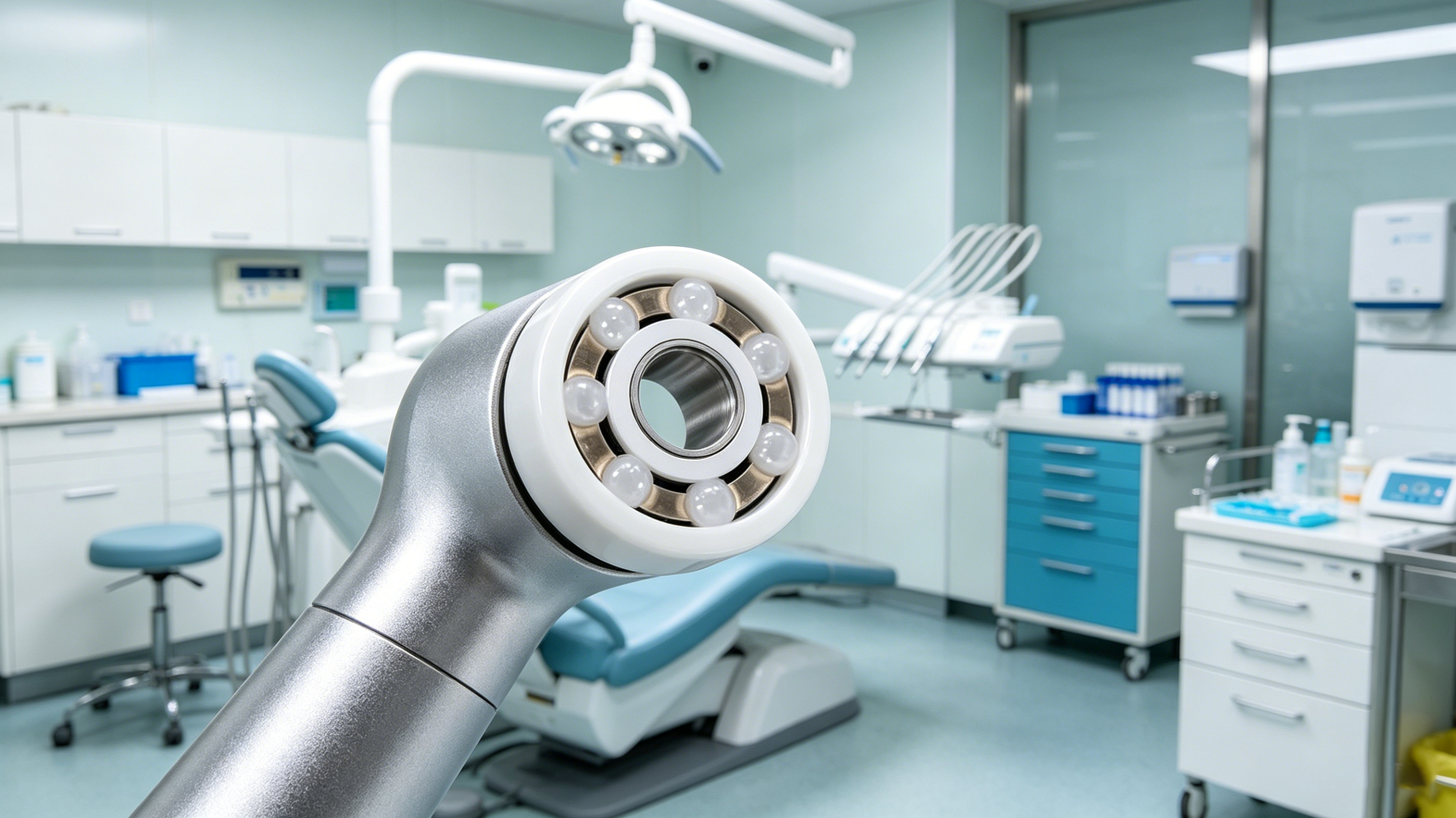
The dominance of ceramic bearings in dental handpieces is a testament to the intersection of advanced materials science and clinical necessity. By leveraging the lightweight, heat-resistant, and biocompatible properties of Silicon Nitride, medical device engineers have solved the most pressing challenges of high-speed dentistry. As patients demand quieter, safer, and more comfortable treatments, and as clinics seek durable, cost-effective equipment, ceramic bearings will undoubtedly remain the gold standard in dental precision engineering. For medical device manufacturers, embracing this technology is no longer an option—it is the benchmark for excellence.
FAQ: Ceramic Bearings in Dental Handpieces
Q: Why do dental handpieces use ceramic bearings instead of steel?
A: Ceramic bearings are lighter, generate less heat, resist corrosion, and offer superior stability at ultra-high speeds (up to 400,000 RPM).
A: Ceramic bearings are lighter, generate less heat, resist corrosion, and offer superior stability at ultra-high speeds (up to 400,000 RPM).
Q: Are ceramic bearings more durable during sterilization?
A: Yes. They are chemically inert and withstand repeated 134°C autoclave cycles without rusting or degrading.
A: Yes. They are chemically inert and withstand repeated 134°C autoclave cycles without rusting or degrading.
Q: Do ceramic bearings reduce patient anxiety?
A: Absolutely. Their low-friction design significantly reduces operating noise and vibration, creating a calmer clinical environment.
A: Absolutely. Their low-friction design significantly reduces operating noise and vibration, creating a calmer clinical environment.
Q: Is the higher upfront cost worth it for clinics?
A: Yes. Ceramic bearings extend the handpiece’s lifespan by 2 to 3 times, reducing repair frequency and long-term operational costs.
A: Yes. Ceramic bearings extend the handpiece’s lifespan by 2 to 3 times, reducing repair frequency and long-term operational costs.
Q: What is the best ceramic material for dental bearings?
A: Silicon Nitride (Si3N4) is the industry standard due to its exceptional hardness, low density, and thermal stability.
Post time: Jun-22-2026