


Choosing the right bearing seal is not just a small design detail. It can determine whether a bearing runs reliably for years or fails prematurely due to contamination, lubricant loss, or excessive heat. Among the most common sealing options, labyrinth seals and contact seals serve different purposes and perform best under different operating conditions.
For industrial buyers, engineers, and maintenance teams, the better choice depends less on which seal is “stronger” and more on whether the application demands low friction, high speed, contamination resistance, or effective sealing in stationary or slow-moving equipment.
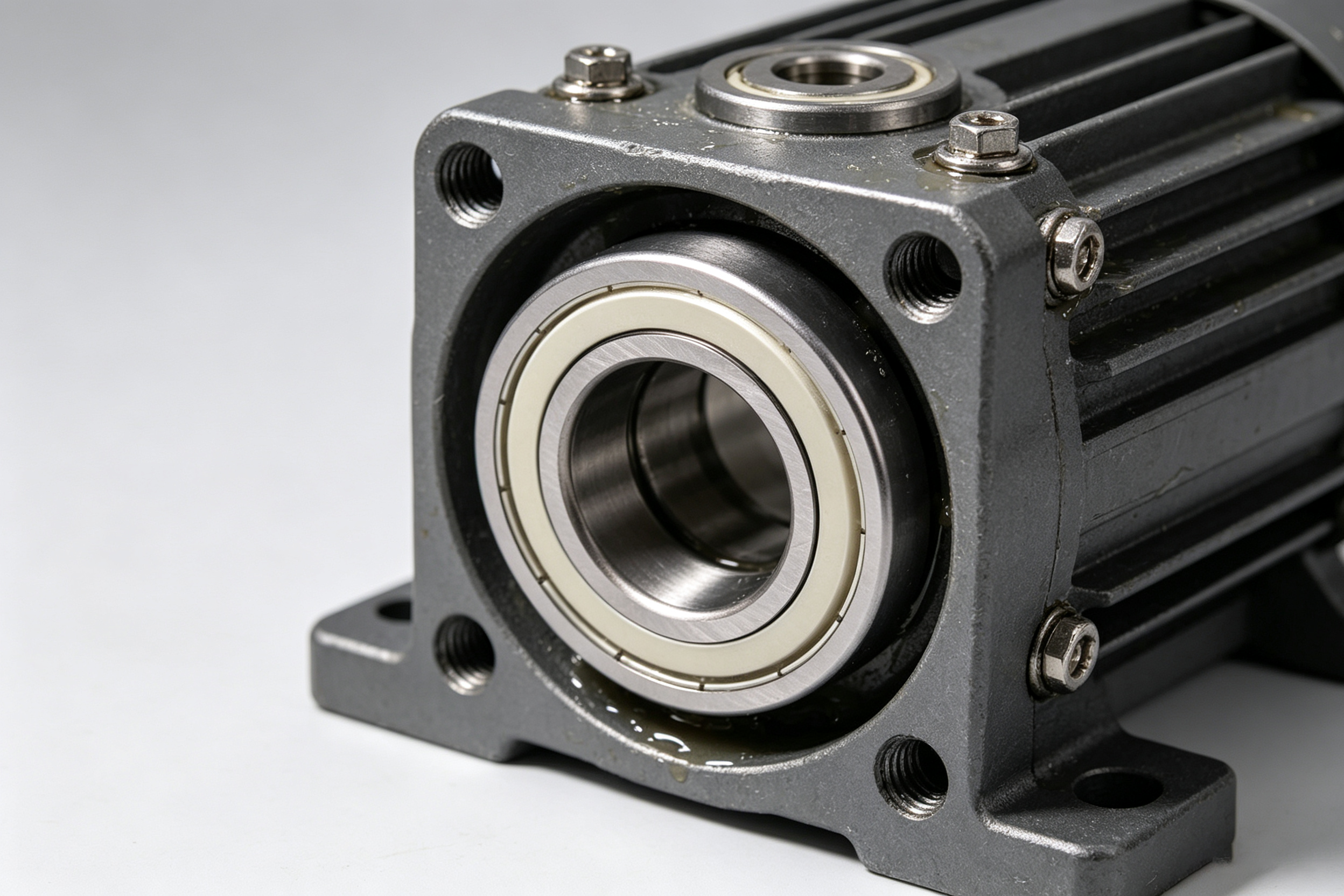
How contact seals protect bearings
Contact seals work by maintaining physical contact between the sealing lip and a rotating component, such as a shaft, inner ring, or housing bore. This contact creates a barrier that helps prevent dust, water, slurry, and other contaminants from entering the bearing while also retaining grease or oil inside the housing.
The main advantage of contact seals is their sealing effectiveness. Because the sealing lip touches the mating surface, they are generally more effective than labyrinth seals at blocking fine particles and liquids in low- to medium-speed applications.
However, this physical contact also creates friction. At higher speeds, contact seals can generate heat, increase torque, and accelerate wear on both the sealing lip and the shaft. For that reason, they are often preferred in applications where speed is moderate but environmental protection is critical.
Common materials for contact seals include nitrile rubber, fluorocarbon rubber, polyurethane, and PTFE-based compounds. Material selection affects chemical resistance, temperature range, friction, and service life.
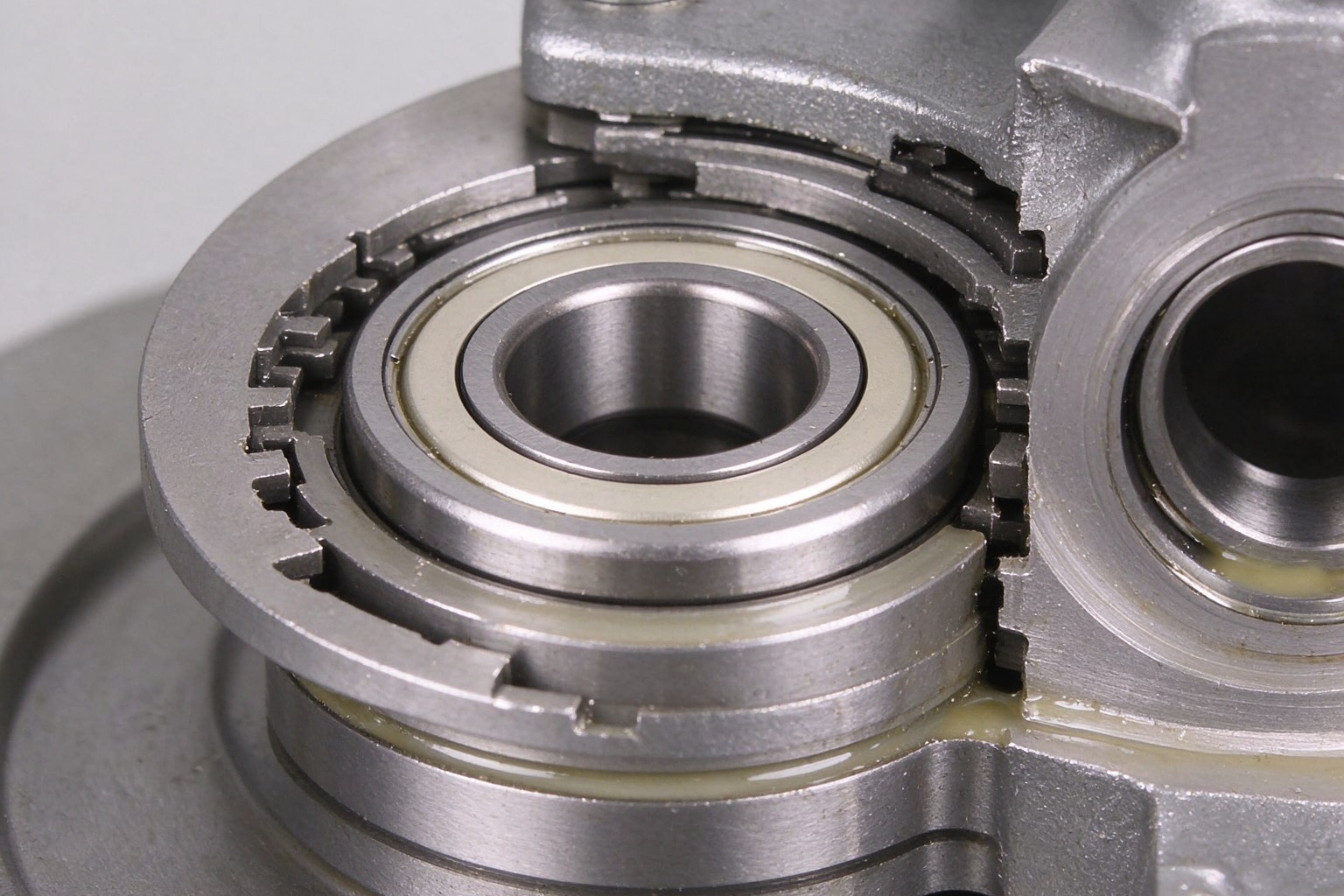
How labyrinth seals protect bearings
Labyrinth seals are non-contact seals. Instead of relying on a sealing lip, they create a tortuous path that contaminants must pass through before reaching the bearing. This path is usually formed by a series of grooves, fins, chambers, or clearances between rotating and stationary components.
Because there is no direct contact, labyrinth seals produce very little friction and generate minimal heat. This makes them suitable for high-speed applications, continuous operation, and environments where heat buildup must be avoided.
Labyrinth seals are also durable. Since they do not depend on a soft lip rubbing against a shaft, they are less prone to wear under clean or moderately contaminated conditions. They are often used in electric motors, turbines, pumps, gearboxes, and heavy industrial equipment where speed, reliability, and long service life are important.
The limitation is that labyrinth seals do not provide absolute sealing. Under heavy contamination, washdown conditions, or very fine dust exposure, some contaminants may still pass through the labyrinth path unless additional protection is added.
Key differences at a glance
| Feature | Labyrinth seals | Contact seals |
|---|
| Feature | Labyrinth seals | Contact seals |
|---|---|---|
| Sealing principle | Non-contact tortuous path | Physical lip contact |
| Friction | Very low | Higher |
| Speed capability | Suitable for high speeds | Better at low to medium speeds |
| Contamination protection | Good, but not absolute | Strong in many dirty environments |
| Heat generation | Minimal | Can be significant at high speed |
| Wear | Low | Higher due to lip contact |
| Lubricant retention | Moderate to good | Generally strong |
| Typical use | High-speed, clean to moderate environments | Low-speed, dirty, wet, or sealed-for-life units |
Which seal offers better protection?
“Better protection” depends on the failure mode most likely to affect the bearing.
If the main risk is contamination from dust, mud, water, or process debris, contact seals usually provide stronger protection. Their physical barrier is more effective at keeping fine particles and liquids out, especially when the shaft speed is not excessively high.
If the main risk is friction, heat, or high-speed operation, labyrinth seals often offer better overall protection. They reduce energy loss, limit heat buildup, and avoid the wear problems that can occur when a contact lip runs continuously at high speed.
In many real-world applications, the best solution is not a simple choice between the two. Some bearing systems combine a labyrinth structure with a light contact element, or use labyrinth seals together with external housing protection, to balance low friction with strong contamination resistance.
Performance comparison for typical applications
| Application condition | Recommended seal type | Reason |
|---|
| Application condition | Recommended seal type | Reason |
|---|---|---|
| High-speed motors and spindles | Labyrinth seal | Low friction and low heat generation |
| Food processing or washdown areas | Contact seal or combined seal | Strong resistance to water and cleaning agents |
| Dusty mining or cement equipment | Contact seal or protected labyrinth | Better barrier against fine particles |
| Continuous-operation pumps and fans | Labyrinth seal | Long life with minimal wear |
| Agricultural machinery | Contact seal | Strong protection against mud and debris |
| Clean industrial gearboxes | Labyrinth seal | Adequate protection with lower energy loss |
How to choose the right seal for your bearing
When evaluating labyrinth seals and contact seals, consider these factors:
- Operating speed: Higher speeds favor labyrinth seals.
- Contamination level: Heavier contamination often favors contact seals.
- Temperature: Heat-sensitive applications benefit from low-friction labyrinth designs.
- Lubrication type: Grease-retention needs may favor contact or hybrid seals.
- Maintenance access: Hard-to-service bearings benefit from durable, low-wear seals.
- Environmental exposure: Water, chemicals, and washdown cycles require careful material selection.
- Energy efficiency: Lower friction can reduce operating costs over time.
Summary
Neither labyrinth seals nor contact seals are universally superior. Contact seals generally provide stronger protection against contamination and lubricant loss in low- to medium-speed applications. Labyrinth seals generally deliver better performance in high-speed, low-friction, and long-life applications where heat and wear are major concerns.
The most reliable bearing protection comes from matching the seal type to the actual operating environment. For demanding applications, a hybrid or multi-stage sealing arrangement may offer the best balance of protection, efficiency, and service life.
FAQ: Labyrinth Seals vs. Contact Seals
Q: Which seal is better for high-speed bearings?
A: Labyrinth seals are usually better because they are non-contact and generate less heat.
A: Labyrinth seals are usually better because they are non-contact and generate less heat.
Q: Which seal offers stronger contamination protection?
A: Contact seals generally provide stronger protection against dust, water, and fine particles.
A: Contact seals generally provide stronger protection against dust, water, and fine particles.
Q: Do labyrinth seals touch the shaft?
A: No. Labyrinth seals are non-contact and rely on a tortuous flow path.
A: No. Labyrinth seals are non-contact and rely on a tortuous flow path.
Q: Do contact seals increase friction?
A: Yes. Contact seals create more friction than labyrinth seals due to lip contact.
A: Yes. Contact seals create more friction than labyrinth seals due to lip contact.
Q: Can labyrinth seals completely block water?
A: Not always. They resist ingress but may need additional protection in washdown or wet environments.
A: Not always. They resist ingress but may need additional protection in washdown or wet environments.
Q: Which seal lasts longer?
A: Labyrinth seals often last longer in clean or moderate conditions because they have less wear.
A: Labyrinth seals often last longer in clean or moderate conditions because they have less wear.
Q: When should I choose a contact seal?
A: Choose a contact seal when contamination risk is high and operating speed is low to medium.
A: Choose a contact seal when contamination risk is high and operating speed is low to medium.
Q: Can both seal types be used together?
A: Yes. Hybrid or multi-stage designs can combine low friction with stronger sealing.
A: Yes. Hybrid or multi-stage designs can combine low friction with stronger sealing.
Q: Which seal is better for grease retention?
A: Contact seals usually retain grease more effectively, especially in stationary or slow-moving applications.
A: Contact seals usually retain grease more effectively, especially in stationary or slow-moving applications.
Q: Are labyrinth seals suitable for dirty environments?
A: They can be used, but heavy dust, slurry, or washdown conditions may require extra protection.
A: They can be used, but heavy dust, slurry, or washdown conditions may require extra protection.
Post time: Nov-18-2026