


In the ever-evolving landscape of industrial machinery, the quest for enhanced durability and efficiency has always been at the forefront of engineering. Bearings, the unsung heroes facilitating smooth motion in everything from wind turbines to aerospace engines, are undergoing a revolutionary transformation. Recent advancements in material science and manufacturing technologies have culminated in a significant breakthrough, enabling modern bearings to extend their service life by up to 50% compared to traditional steel counterparts. This milestone not only promises reduced maintenance costs but also marks a pivotal step toward sustainable industrial operations.
The Evolution of Bearing Materials
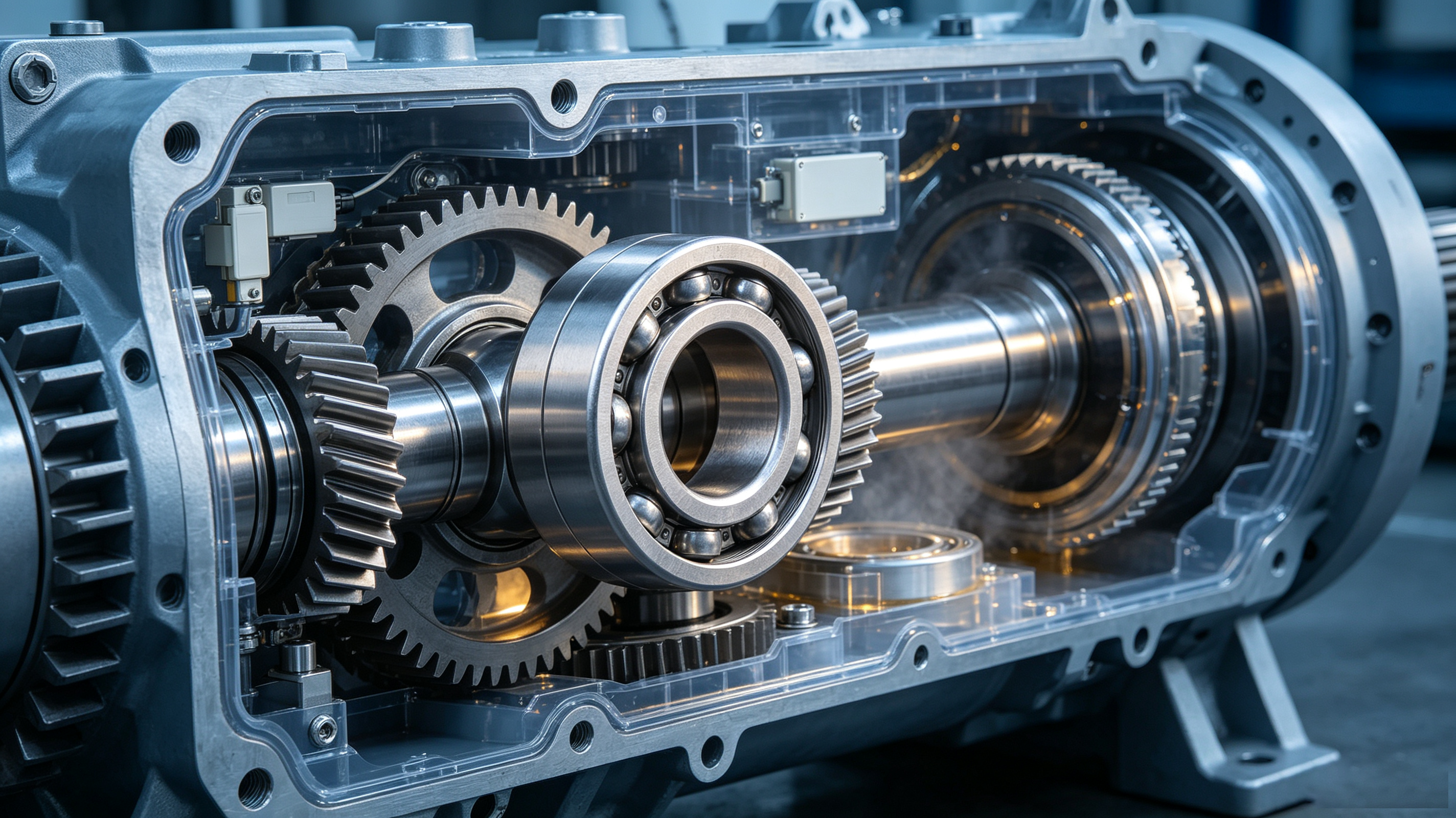
For decades, high-carbon chromium steel (such as GCr15) has been the industry standard for bearing manufacturing due to its excellent load-carrying capacity and fatigue strength. However, as machinery demands higher speeds, heavier loads, and operation in harsher environments, traditional steel began to show its limitations. The new wave of bearing materials is designed to overcome these exact barriers, focusing on three core pillars: advanced ceramics, hybrid designs, and specialized surface coatings.
Hybrid Ceramic Bearings: The Best of Both Worlds
Hybrid bearings represent a monumental leap in performance. By retaining tough steel rings but replacing the rolling elements with silicon nitride (Si₃N₄) ceramic balls, engineers have created a component that leverages the strengths of both materials. Silicon nitride is approximately 40% lighter than steel, which drastically reduces centrifugal forces at high speeds. This lower inertia minimizes friction, heat generation, and sliding wear, directly contributing to the extended lifespan. Furthermore, ceramic balls are electrically insulating, effectively preventing the damaging “fluting” or electrical erosion caused by stray currents in variable frequency drives (VFDs).
Advanced Surface Coatings: The Invisible Shield
Surface engineering has also played a critical role in pushing bearing longevity past previous limits. Physical Vapor Deposition (PVD) technologies allow for the application of ultra-thin, highly durable coatings like Diamond-Like Carbon (DLC) and Tungsten Carbide/Carbon (WC/C). These coatings, often only 0.5 to 5 micrometers thick, provide extreme surface hardness and exceptionally low friction coefficients. In boundary lubrication conditions where oil films might fail, DLC coatings prevent cold welding and abrasive wear. Real-world applications have shown that applying these specialized coatings to gearbox bearings can increase service intervals by 50%, significantly reducing downtime in critical infrastructure like rail and heavy manufacturing.
High-Performance Polymers and Composites
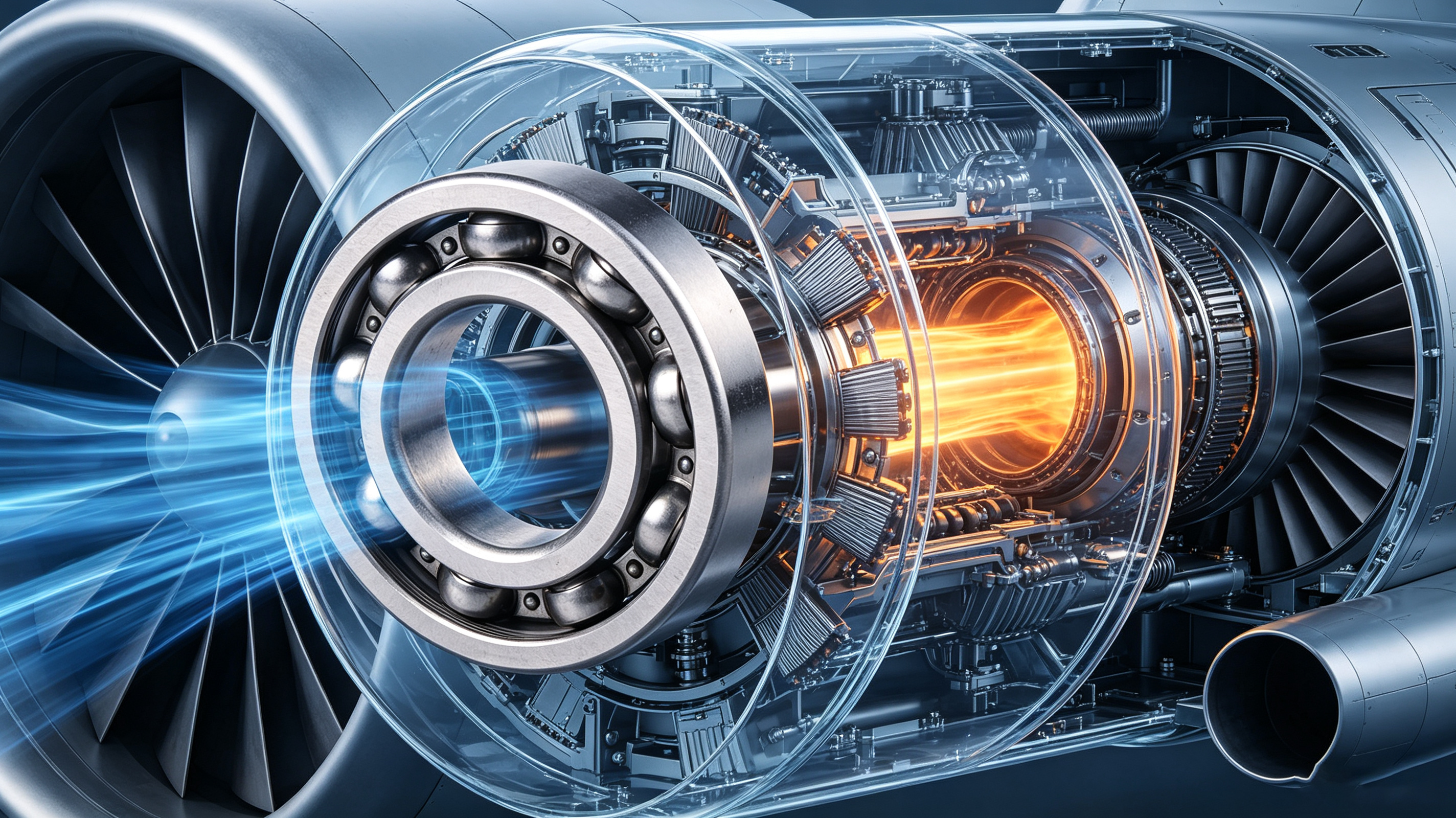
In environments where corrosion or extreme weight reduction is a concern, advanced polymers like PEEK (Polyether Ether Ketone) and carbon-fiber-reinforced resins are emerging as viable alternatives. PEEK bearings offer remarkable chemical resistance and can operate in temperatures ranging from -200°C to 260°C without degrading. Their inherent self-lubricating properties eliminate the need for external greases, reducing maintenance overhead and environmental contamination risks. In specific high-speed applications, such as aviation fuel pumps, these composite materials have pushed operational lifespans to unprecedented levels, demonstrating that non-metallic bearings can rival, and sometimes surpass, traditional metals in specialized niches.
Comparative Analysis of Modern Bearing Materials
To understand why these new materials are extending service life so dramatically, it is essential to compare their physical properties against traditional bearing steel. The following table highlights the key advantages driving this industry shift:
| Material Type | Key Advantages | Primary Application Focus |
|---|---|---|
| Traditional Steel | High load capacity, cost-effective | General industrial machinery, automotive |
| Hybrid Ceramic | 40% lighter, electrically insulating, high-speed capable | Wind turbines, EV motors, CNC spindles |
| DLC / WC/C Coated | Extreme surface hardness, low friction, anti-corrosion | Gearboxes, robotics, harsh chemical environments |
| PEEK / Composites | Self-lubricating, corrosion-resistant, lightweight | Chemical processing, food & beverage, aerospace |
The Role of Precision Manufacturing and Microstructure
Material innovation alone is not enough; the way these materials are processed dictates their ultimate lifespan. Recent metallurgical research has focused on tailoring the microstructure of bearing steels to resist rolling contact fatigue. By strategically controlling the distribution of carbides and creating localized “toughness buffers” around microscopic inclusions, manufacturers can delay the initiation of fatigue cracks.
Coupled with this is the advent of ultra-precision manufacturing. Modern super-finishing techniques now achieve surface roughness levels as fine as Ra ≤ 0.01 μm. This mirror-like finish reduces microscopic asperities that cause friction and wear. When combined with controlled atmosphere heat treatments, these precision manufacturing techniques ensure that the theoretical life of the material is fully realized in the physical product, helping bearings achieve ISO 281 L10 lifespans exceeding 10,000 hours under demanding conditions.
Economic and Environmental Impact
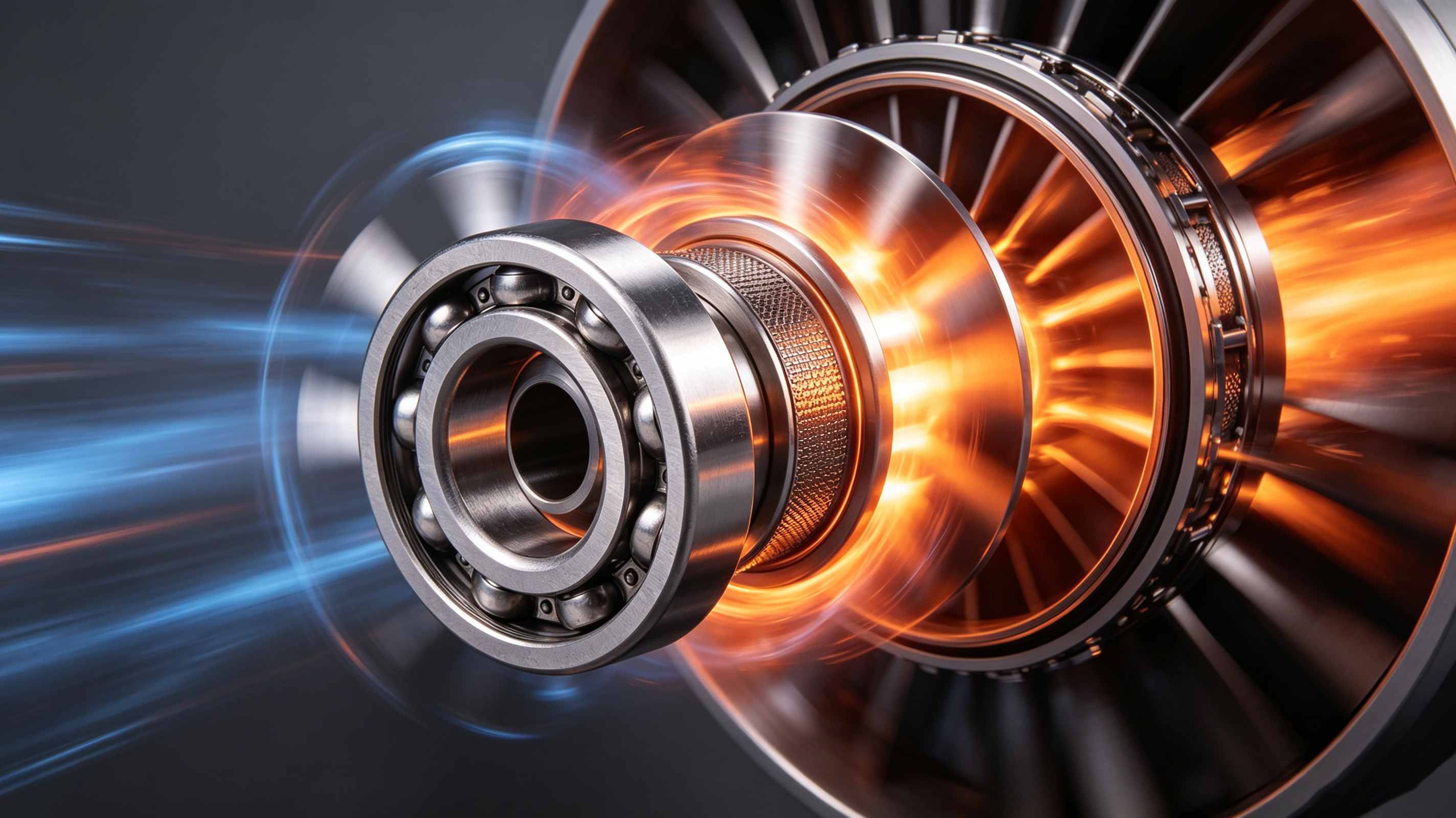
The 50% extension in service life translates directly to the bottom line and environmental sustainability. Fewer replacements mean less material waste, lower carbon footprints associated with manufacturing and shipping, and reduced lubricant disposal. For a wind turbine operator, extending maintenance intervals by 50% can save tens of thousands of dollars in crane rental and labor costs annually. In the automotive sector, lightweight hybrid bearings reduce rotational inertia, improving fuel efficiency and extending EV battery range.
| Benefit Category | Traditional Bearings | Advanced Material Bearings |
|---|---|---|
| Maintenance Frequency | Standard intervals | Extended by up to 50% |
| Energy Efficiency | Standard friction losses | Up to 20% reduction in energy usage |
| Environmental Impact | Higher waste, frequent lubrication | Reduced waste, eco-friendly self-lubrication |
| Total Cost of Ownership | Higher due to downtime and replacements | Significantly lower over equipment lifecycle |
Looking Ahead: Smart Bearings and the Future
As we look to the future, the integration of smart technology will further amplify the benefits of advanced materials. Modern bearings are increasingly being embedded with miniature sensors that monitor temperature, vibration, and load in real-time. When paired with the inherent durability of hybrid ceramics or coated steels, these smart bearings enable true predictive maintenance. Instead of relying on fixed schedules, operators can run bearings to their absolute safe limit, extracting every bit of their extended lifespan without risking catastrophic failure.
The breakthrough in bearing materials is not merely a technical achievement; it is a fundamental shift in how we approach mechanical reliability. By embracing hybrid ceramics, advanced coatings, and high-performance polymers, industries can now operate with unprecedented confidence. As these technologies become more accessible and cost-effective, the 50% lifespan extension will soon become the new industry standard, driving a new era of efficiency, sustainability, and innovation in global manufacturing.
Frequently Asked Questions (FAQ)
Q: How do advanced materials extend bearing life by 50%?
A: New materials like hybrid ceramics and advanced coatings significantly reduce friction, heat, and wear, allowing bearings to operate much longer before needing replacement.
A: New materials like hybrid ceramics and advanced coatings significantly reduce friction, heat, and wear, allowing bearings to operate much longer before needing replacement.
Q: Are hybrid ceramic bearings more expensive than traditional steel?
A: Yes, the initial cost is higher. However, they save money in the long run by reducing maintenance frequency and energy consumption.
A: Yes, the initial cost is higher. However, they save money in the long run by reducing maintenance frequency and energy consumption.
Q: Can these new bearings handle extreme temperatures?
A: Absolutely. Materials like PEEK and silicon nitride ceramics can withstand extreme heat and cold far better than standard steel.
A: Absolutely. Materials like PEEK and silicon nitride ceramics can withstand extreme heat and cold far better than standard steel.
Q: Do I need special lubrication for these advanced bearings?
A: No. Many advanced polymer and ceramic bearings are self-lubricating or require minimal lubrication, reducing maintenance overhead.
A: No. Many advanced polymer and ceramic bearings are self-lubricating or require minimal lubrication, reducing maintenance overhead.
Q: Which industries benefit most from this breakthrough?
A: Key beneficiaries include wind energy, electric vehicles, aerospace, and heavy manufacturing, where downtime is extremely costly.
A: Key beneficiaries include wind energy, electric vehicles, aerospace, and heavy manufacturing, where downtime is extremely costly.
Post time: Jul-10-2026