


While a single deep groove ball bearing may be small and seemingly inexpensive, in aggregate, they form the literal and figurative bearings of the global industrial economy. The market for these components is a massive, dynamic ecosystem that reflects broader trends in manufacturing, trade, and technological advancement. Understanding this landscape is crucial for anyone involved in strategic sourcing, manufacturing, or market analysis.
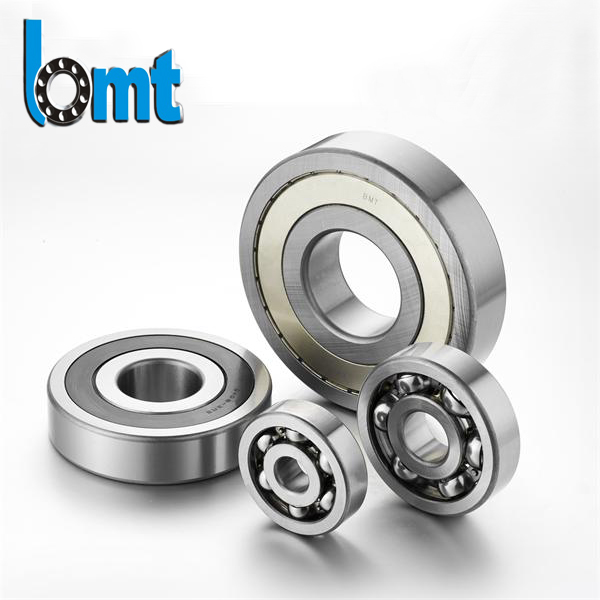
A Market of Scale and Precision
The global ball bearing market, with deep groove ball bearings constituting the largest segment by volume, is valued in the tens of billions of dollars annually. Its growth is directly tied to the health of key downstream sectors:
Automotive & Electric Vehicles: The largest consumer. Every vehicle uses 50-150 bearings. The shift to EVs creates new demands for high-speed, quiet, and efficient bearings for traction motors and ancillary systems.
Industrial Machinery & Renewable Energy: As automation expands and wind/solar power generation grows, so does the demand for reliable, heavy-duty bearings.
Aftermarket & Maintenance: This represents a huge, stable market. The constant need for replacement in existing machinery provides a steady demand stream independent of new capital investment cycles.
The Global Supply Chain: A Geographically Concentrated Network
Production is heavily concentrated, creating both efficiencies and vulnerabilities:
The Manufacturing Powerhouses: China, Japan, Germany, the United States, and Italy are the dominant producers. Each region has a profile: Japan and Germany lead in high-precision and specialty bearings; China dominates in volume production of standard series; the US has a strong aerospace and defense focus.
The Raw Material Link: The industry is highly sensitive to the quality and price of specialty steel. Supply disruptions or tariffs on steel can ripple through the bearing supply chain rapidly.
Logistics and Just-in-Time: Bearings are critical components in global just-in-time manufacturing. Any disruption in logistics—from port closures to shipping container shortages—can halt production lines worldwide, highlighting their strategic importance.
Competitive Landscape: From Giants to Specialists
The market is characterized by a mix of:
Global Titans: Large, diversified corporations (e.g., SKF, Schaeffler, NSK, JTEKT, NTN) that offer full portfolios and extensive R&D. They compete on technology, global supply networks, and integrated solutions.
Focused Specialists: Companies that excel in specific niches, such as miniature bearings for medical devices, ceramic bearings for extreme environments, or ultra-quiet bearings for appliances. They compete on deep expertise and customized service.
Commodity Producers: Numerous manufacturers, particularly in Asia, producing standard series bearings competing primarily on price and delivery for the replacement and price-sensitive OEM markets.
Key Market Drivers and Future Challenges
Drivers:
Industrial Automation & Industry 4.0: Drives demand for precision, reliability, and sensor-integrated “smart” bearings.
Energy Efficiency Regulations: Worldwide mandates push for lower-friction bearings to reduce motor energy consumption.
Electrification of Everything: From e-bikes to EVs, new motorized products create new bearing applications.
Challenges:
Cost Pressure: Intense competition, especially in standard series, squeezes margins.
Counterfeit Products: A significant problem in the aftermarket, posing major risks to equipment safety and reliability.
Skills Gap: A shortage of trained bearing application engineers and maintenance technicians.
Conclusion: More Than a Component, a Critical Commodity
The deep groove ball bearing market is a vital microcosm of global industrial activity. Its health indicates manufacturing output, its innovations enable new technologies, and its supply chain stability is crucial for continuous production. For procurement and strategy professionals, viewing the deep ball bearing not just as a part number, but as a strategic commodity within a complex global system, is essential for making informed, resilient, and cost-effective decisions that support long-term operational success.
Post time: Dec-26-2025