


OEM (Original Equipment Manufacturer) and ODM (Original Design Manufacturer) bearing services play crucial roles in the manufacturing sector, especially when sourced from a custom industrial bearing factory. Traders benefit from these services by accessing specialized products tailored to their needs. Understanding the differences between OEM and ODM is essential for making informed decisions that align with business strategies.
Key Takeaways
- OEM services allow traders to create fully customized products tailored to their specific needs, enhancing performance and customer satisfaction.
- ODM services provide cost efficiency and quicker time-to-market by leveraging existing designs, making them ideal for traders prioritizing speed and reduced development costs.
- Understanding the differences between OEM and ODM is crucial for traders to align their manufacturing choices with their business strategies and market demands.
Understanding OEM Bearing Services
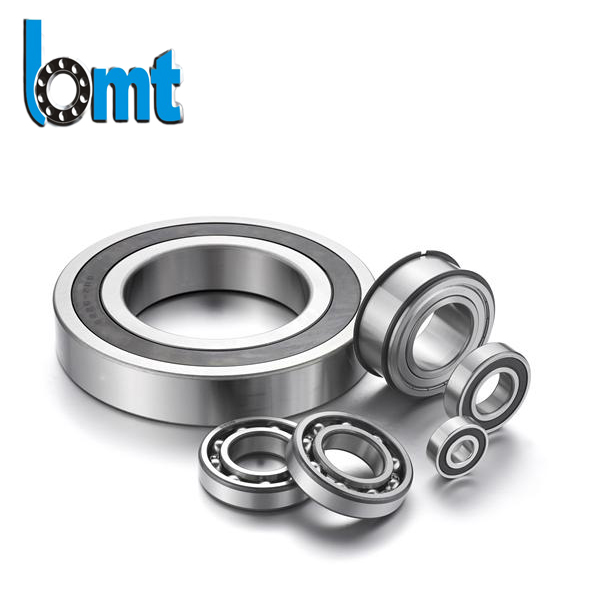
OEM bearing services focus on manufacturing products based on the specifications provided by clients. These services allow traders to obtain high-quality bearings tailored to their unique requirements. The process typically involves several key features and steps, which are essential for understanding how OEM services operate.
Here are the main features and processes involved in OEM bearing services:
| Feature/Process | Description |
|---|---|
| Manufacturing Processes | Includes forging, annealing, turning, heat treatment, and grinding. |
| Customization Options | Fully customized bearing products according to client specifications, including material selection, sizing, and branding. |
| Quality Control Processes | Comprehensive quality control to meet stringent standards and industry regulations. |
| Production Capacity Adaptation | Ability to adjust production from small batch trials to large-scale manufacturing. |
| Collaboration Steps | Steps include submission of application materials, negotiating terms, building inventory, and sales support. |
| Non-Disclosure Agreements | Signing strict agreements to protect clients’ business secrets and partnership details. |
Traders across various industries utilize OEM bearing services. These industries include:
| Industry | Description |
|---|---|
| High Tech / High Performance | Requires mini bearings for office automation, semiconductor processing, and microturbines. |
| Agriculture | Needs high-quality conveyor bearings for harsh operating environments to ensure reliability and durability. |
| Medical and Dental | Demands high-precision bearings for instruments like dental handpieces and diagnostic machines. |
| Robotics and Automation | Utilizes bearings for robot arms and automated systems, requiring high accuracy and performance. |
| Electric Motors | Requires reliable roller and deep groove ball bearings to withstand various stresses. |
| Machine Tool and Spindle Repair | Relies on high-precision tools needing regular maintenance and quality bearings for optimal performance. |
The significance of OEM bearing services lies in their ability to provide customized solutions that meet specific operational needs. Traders can leverage these services to enhance their product offerings and maintain a competitive edge in the market. By partnering with a custom industrial bearing factory, they can ensure that their bearings meet the highest standards of quality and performance.
Understanding ODM Bearing Services
ODM bearing services provide a unique approach to manufacturing by allowing clients to leverage existing designs or create new ones tailored to specific applications. Unlike OEM services, which focus on producing products based on client specifications, ODM services emphasize design and innovation. This flexibility enables traders to access a broader range of products that can meet diverse market demands.
Key features and processes involved in ODM bearing services include:
| Feature/Process | Description |
|---|---|
| Customization Options | Ability to modify designs for specific applications, including non-standard dimensions and special clearances. |
| Quality Control Standards | Adherence to international standards like ISO 9001 and CE marking to ensure consistent quality. |
| Technology and Innovation | Investment in R&D for smart bearings and advanced designs that enhance performance and efficiency. |
Traders often choose ODM services for several reasons:
- Design Flexibility: ODM services allow traders to modify existing designs or create entirely new ones. This flexibility can lead to innovative products that stand out in the market.
- Cost Efficiency: By utilizing existing designs, traders can reduce development costs and time. This efficiency can be crucial in competitive markets where speed to market is essential.
- Access to Expertise: ODM manufacturers often have specialized knowledge and experience in bearing design and production. Traders can benefit from this expertise, ensuring high-quality products that meet industry standards.
In addition, ODM services often involve a collaborative approach. Traders work closely with manufacturers to refine designs and ensure that the final product aligns with their brand identity and market needs. This partnership can lead to enhanced product offerings and improved customer satisfaction.
Overall, ODM bearing services provide traders with a strategic advantage. By focusing on design and innovation, they can create unique products that cater to specific market demands. Partnering with a custom industrial bearing factory can further enhance this process, ensuring that the bearings produced meet the highest quality standards.
Key Differences Between OEM and ODM
Understanding the distinctions between OEM and ODM bearing services is crucial for traders. Here are the primary differences:
- Customization and Flexibility:
- OEM allows businesses to create completely customized products that meet specific customer needs.
- ODM involves the manufacturer creating the product design, which the purchasing company can brand and sell, leading to limited customization.
- Control Over Design:
- OEM services provide full control over product design and customization. This enables unique products tailored to specifications.
- ODM services have limited customization due to predetermined designs by the manufacturer. This restriction can hinder alignment with brand identity.
- Market Positioning:
- OEM is ideal for companies seeking unique offerings that differentiate them in the market.
- ODM is advantageous for those prioritizing speed and efficiency, allowing quicker time-to-market with established designs.
- Cost Implications:
- OEM services often require higher initial investments due to the extensive customization and development processes.
- ODM services can be more cost-effective, as they leverage existing designs, reducing development costs and time.
Pros and Cons of OEM Services
OEM bearing services offer several advantages and disadvantages for traders. Understanding these can help traders make informed decisions.
Pros of OEM Services
- Customization: OEM services allow traders to create products tailored to their specific needs. This customization can enhance product performance and customer satisfaction.
- Quality Assurance: Traders can expect high-quality products due to stringent quality control processes. Manufacturers often adhere to industry standards, ensuring reliability.
- Branding Opportunities: OEM services enable traders to brand products as their own. This branding can strengthen market presence and customer loyalty.
Cons of OEM Services
Despite the benefits, OEM services come with potential drawbacks:
- Delays in Delivery: Traders may experience delays in receiving parts. Some have reported waiting over a month for components to arrive.
- Reliance on Local Machinists: Many OEM processes depend on local machinists for milling. If these machinists are overloaded with work, it can lead to unexpected delays.
- Quality Concerns: Some traders discovered that OEM parts were not manufactured to specifications in Japan but were instead milled locally. This raised concerns about quality and cost-effectiveness.
Pros and Cons of ODM Services
ODM bearing services offer several advantages and disadvantages for traders. Understanding these factors can help traders make informed decisions.
Advantages of ODM Services
| Advantage | Description |
|---|---|
| Cost Efficiency | Reduces costs through direct factory connections. |
| Direct Trade Control | Self-managed export process saves 20% delivery time. |
| Customization Options | Offers tailored solutions to meet specific trader needs. |
| Risk Mitigation | Ensures quality with 100% pre-shipment inspection. |
| Global Support | Provides multilingual engineers for technical consultation. |
Traders often appreciate the cost efficiency of ODM services. By connecting directly with manufacturers, they can lower expenses significantly. Additionally, the ability to manage the export process directly can lead to faster delivery times, enhancing overall operational efficiency. The customization options available allow traders to tailor products to their specific needs, which can improve market competitiveness. Furthermore, the risk mitigation aspect ensures that products undergo thorough inspections before shipment, maintaining high quality.
Disadvantages of ODM Services
Despite the benefits, traders may encounter several drawbacks when utilizing ODM bearing services. One significant concern is the absence of exclusivity. Traders cannot claim ownership of the intellectual property associated with the designs. This limitation can hinder brand differentiation in a competitive market. Additionally, traders may face restrictions regarding minimum order quantities and product pricing, which can affect their flexibility in managing inventory and costs.
Choosing the Right Option for Traders
Market Dynamics
Traders must consider current market dynamics when selecting between OEM and ODM bearing services. The automotive wheel hub bearing market, for example, is evolving due to technological advancements and changing consumer preferences. Key factors include:
- The rising demand for versatile bearings that accommodate electric and hybrid vehicles.
- A shift towards integrated hub-units, which enhance assembly efficiency.
- Strict quality and compliance standards that OEM suppliers must meet.
These dynamics influence how traders position their products in the market.
Brand Identity Considerations
Brand identity plays a crucial role in the decision-making process. Choosing a partner who focuses exclusively on ODM or OEM can protect the client’s brand. This strategy ensures no competition arises, maintaining confidentiality. It allows the client to concentrate on brand growth without distractions. Traders should evaluate how each service aligns with their branding strategies. For instance, global brands benefit from lower labor costs in regions like China, which leads to competitive pricing and flexible customization options.
Long-term Business Goals
Long-term business goals significantly impact the choice between OEM and ODM services. Companies with high precision and customization needs may prefer OEM services. In contrast, those prioritizing quick market entry and lower costs might opt for ODM services. Factors influencing this decision include:
- Customization requirements
- Speed to market
- Cost considerations
Understanding these goals helps traders align their manufacturing choices with their overall business strategy.
Custom Industrial Bearing Factory Considerations
When selecting a custom industrial bearing factory, traders must evaluate several critical factors. Quality assurance stands at the forefront of these considerations. Factories should adhere to recognized standards to ensure product reliability and performance. Below is a summary of essential quality assurance standards:
| Quality Assurance Standard | Description |
|---|---|
| IATF 16949 | Defines quality system requirements for automotive-related products. |
| ISO 9001 | General quality management system standard. |
| ISO 14001 | Establishes criteria for environmental management systems. |
| Lot Traceability | Ensures products are traceable from raw material to finished products. |
| Quality Assurance Testing | Involves multiple testing methods to ensure product quality, including automated measurements and X-ray inspections. |
In addition to quality, production lead times significantly impact traders’ decisions. Understanding typical lead times helps in planning and inventory management. The following table outlines common lead times for various order types:
| Order Type | Lead Time |
|---|---|
| Complex custom bearings | 8 to 10 weeks |
| Simple custom orders (small mods) | as little as 2 weeks |
| Made-to-order bearings | 4 to 6 weeks |
| Urgent delivery (production line down) | 7 to 10 days |
Traders should also consider the factory’s capacity for customization. A factory that offers flexible design options can better meet specific market demands. Furthermore, evaluating the factory’s technological capabilities can provide insights into their ability to innovate and adapt to changing industry trends.
Ultimately, selecting the right custom industrial bearing factory involves balancing quality, lead times, and customization capabilities. This strategic choice can significantly influence a trader’s success in the competitive bearing market.
Traders must recognize the key differences between OEM and ODM bearing services. OEM focuses on manufacturing products based on client designs, while ODM involves designing and manufacturing products that can be rebranded. Choosing the right service depends on specific needs, such as customization and market positioning. Traders should assess their priorities carefully before making a decision.
| Feature | OEM (Original Equipment Manufacturer) | ODM (Original Design Manufacturer) |
|---|---|---|
| Role | Produces products based on another company’s designs | Designs and manufactures products that can be rebranded by another company |
| Design Rights | Client owns the design and intellectual property | ODM typically retains the design rights |
| Focus | Manufacturing based on client designs | Comprehensive service including design and manufacturing |
FAQ
What is the main difference between OEM and ODM services?
OEM services focus on manufacturing products based on client specifications, while ODM services involve designing and producing products that clients can rebrand.
Which service is more cost-effective for traders?
ODM services are generally more cost-effective due to reduced development costs and faster time-to-market with existing designs.
Can traders customize products with ODM services?
Yes, traders can modify existing designs to meet specific needs, but customization options may be more limited compared to OEM services.
Post time: Mar-02-2026