


As the global industrial sector races against the clock to meet the ambitious net-zero targets set for 2030 and beyond, the focus has largely been on macro-level shifts: electrification of fleets, massive solar farms, and green hydrogen initiatives. However, a quiet revolution is taking place within the very heart of machinery itself. In 2026, the mandate for green manufacturing has shifted from optional optimization to critical necessity, and at the center of this transition lies a component often overlooked: the low-friction bearing.
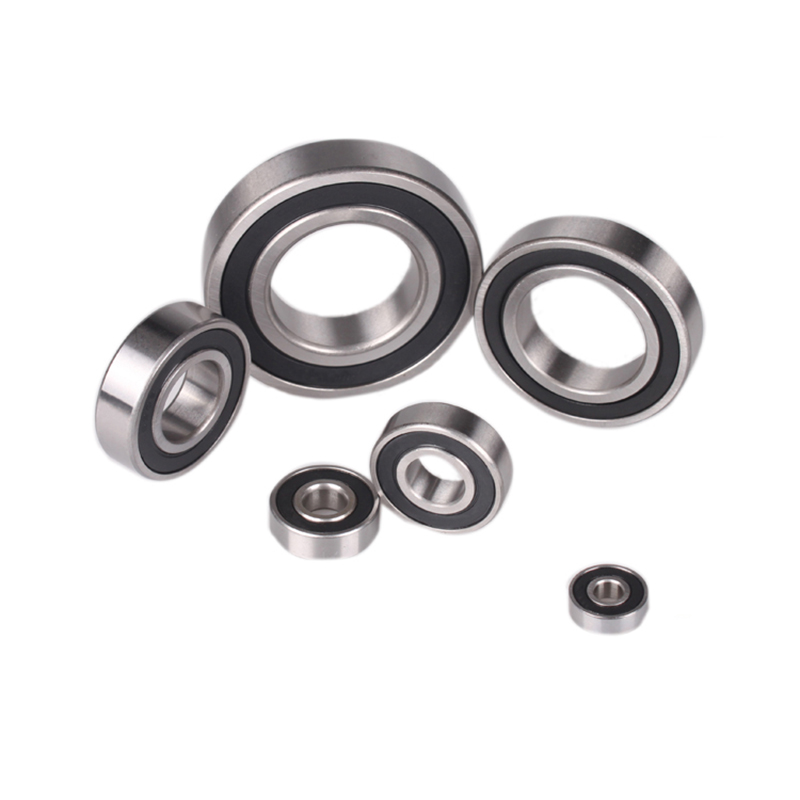
With the International Energy Agency (IEA) reporting that global energy intensity improvements in 2025 reached only 1.8%—still lagging behind the 4% annual target required to meet COP28 goals—the industrial sector is under immense pressure. Electric motors, which account for nearly 45% of global electricity consumption, are the primary battleground. While motor efficiency standards (like IE4 and IE5) have improved the electromagnetic conversion of energy, significant losses still occur mechanically. This is where advanced low-friction bearing technologies become not just an engineering choice, but a strategic imperative for achieving net-zero goals this year.
The Hidden Energy Drain: Friction in Industrial Systems
Friction is the silent enemy of efficiency. In a standard industrial motor operating under typical loads, traditional bearing solutions can account for a disproportionate amount of energy loss through heat generation and drag. As we move through 2026, regulatory frameworks in the EU, North America, and Asia are tightening, mandating not just efficient motors, but efficient systems.
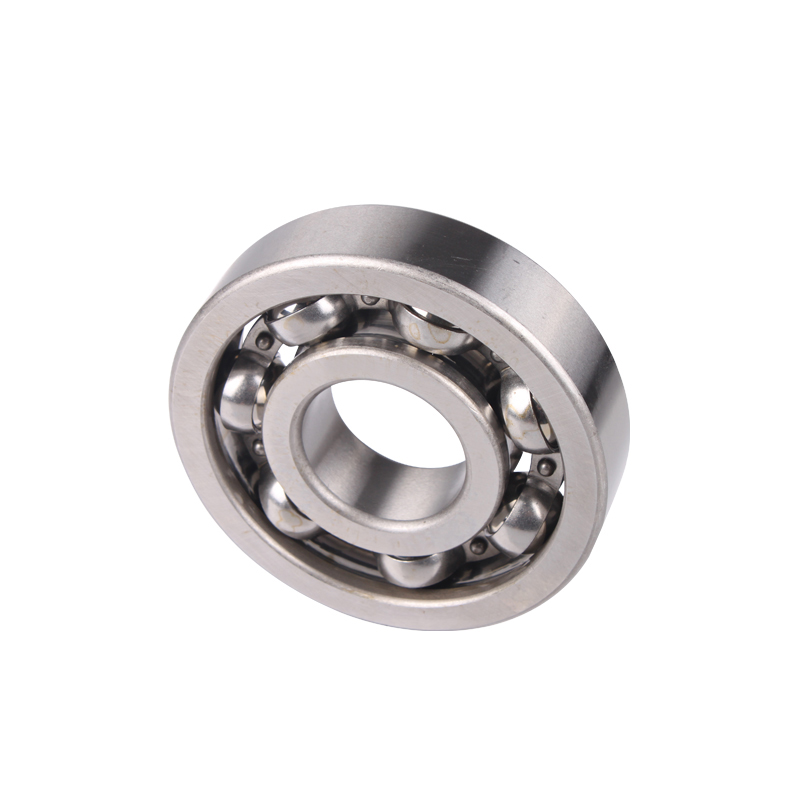
Recent data indicates that upgrading from standard steel bearings to advanced low-friction solutions—such as hybrid ceramic bearings or those utilizing specialized polymer cages and optimized lubrication—can reduce bearing friction by up to 70%. While this percentage might seem incremental in isolation, the cumulative effect across a global industrial base running 24/7 is staggering.
Table 1: Comparative Energy Performance of Bearing Technologies in Standard Industrial Motors (15kW)
| Bearing Technology Type | Estimated Frictional Loss (Watts) | Annual Energy Consumption (kWh)* | CO2 Emissions (Tonnes/Year)** | Efficiency Gain vs. Standard |
|---|---|---|---|---|
| Standard Steel Ball Bearing | 45 W | 131,400 | 58.5 | Baseline |
| Optimized Steel (Low Friction) | 32 W | 128,496 | 57.2 | +2.2% |
| Hybrid Ceramic Bearing | 18 W | 125,280 | 55.8 | +4.6% |
| Advanced Polymer/Magnetic | 12 W | 123,840 | 55.1 | +5.7% |
Based on 24/7 operation, 365 days/year. v>**Assuming a global average grid carbon intensity of 0.45 kg CO2/kWh.
The table above illustrates a critical reality: a simple component swap can yield energy savings comparable to installing variable frequency drives (VFDs) in some applications, but with a significantly lower retrofit cost and complexity. For facility managers facing strict carbon taxation in 2026, these savings translate directly to the bottom line.
The 2026 Regulatory Landscape and Compliance
This year, the “Green Manufacturing Mandate” is no longer a slogan; it is codified in law. New directives requiring comprehensive Scope 1 and Scope 2 emissions reporting mean that every watt of wasted energy is a compliance risk. Industries such as automotive manufacturing, food processing, and logistics are finding that their path to net-zero is blocked by the thermal inefficiency of legacy equipment.
Furthermore, the push for electrification in heavy transport and aviation relies heavily on high-speed, low-torque applications where traditional bearings fail to perform efficiently. Hybrid bearings, which combine steel rings with silicon nitride rolling elements, offer lower density and higher hardness, reducing centrifugal forces and allowing for higher speeds with minimal heat generation. This is crucial for the next generation of electric aircraft and high-efficiency EV powertrains, sectors that are pivotal to the 2030 climate agenda.
Table 2: Key Operational Benefits of Low-Friction Bearings Beyond Energy Savings
| Operational Metric | Impact of Low-Friction Technology | Relevance to Net-Zero Goals |
|---|---|---|
| Operating Temperature | Reduced by 15°C – 30°C | Lower cooling requirements (HVAC load reduction); extended lubricant life reduces chemical waste. |
| Lubricant Consumption | Extended intervals by 2x-3x | Reduced frequency of oil changes lowers hazardous waste disposal and supply chain carbon footprint. |
| Maintenance Downtime | Decreased by up to 40% | Longer asset lifecycles reduce the embodied carbon associated with manufacturing replacement parts. |
| Noise & Vibration | Significantly reduced | Improved workplace environment; indicates higher mechanical efficiency and less energy dissipation. |
Strategic Implementation for Industry Leaders
For industrial leaders, the message for 2026 is clear: do not wait for the end-of-life cycle of your current machinery to upgrade. The return on investment (ROI) for retrofitting high-consumption assets with low-friction bearings often falls within a 12-to-18-month window, driven purely by energy cost avoidance. In regions with high carbon taxes, this period is even shorter.
Moreover, the integration of these bearings supports the broader “circular economy” model. By reducing wear and tear, extending lubricant life, and lowering operating temperatures, these components keep machinery in service longer, delaying the carbon-intensive process of manufacturing new motors and gearboxes.
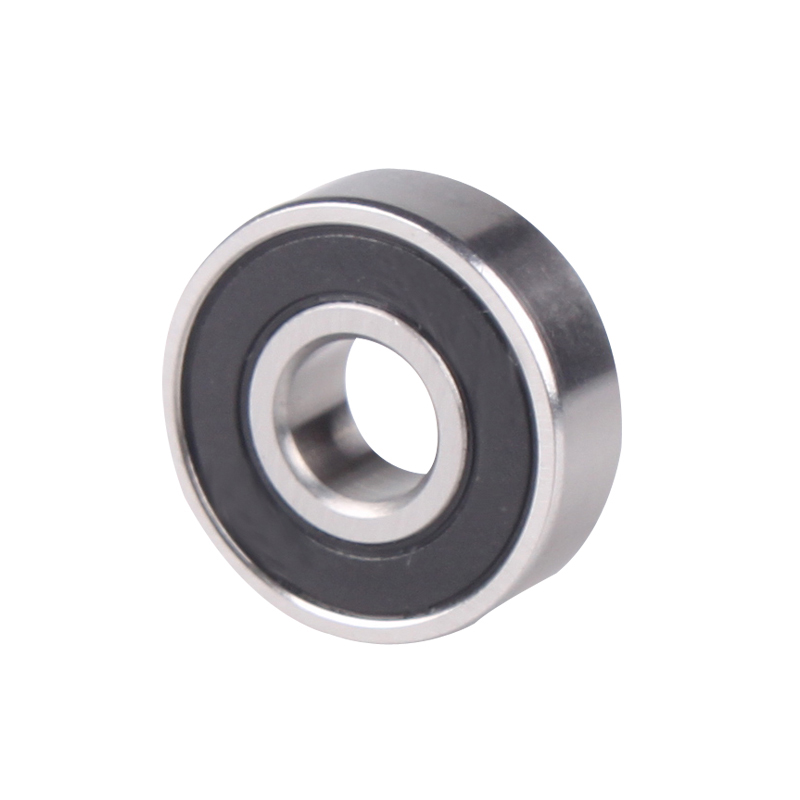
Conclusion: The Small Component with a Massive Impact
As we navigate the critical year of 2026, the path to net-zero will be paved by millions of small decisions. Choosing low-friction bearings is one of the most impactful, yet accessible, decisions a manufacturer can make. It bridges the gap between current operational realities and future climate commitments.
The technology exists, the economic case is proven, and the regulatory mandate is active. The question is no longer if industries should adopt these solutions, but how quickly they can deploy them to secure a sustainable, profitable, and net-zero future. At [Your Company Name], we are committed to leading this charge, providing the advanced bearing solutions necessary to turn the tide on industrial carbon emissions, one revolution at a time.
Frequently Asked Questions (FAQ)
Q: How quickly can low-friction bearings deliver a return on investment (ROI)?
A: In most high-utilization industrial applications, the ROI is achieved within 12 to 18 months purely through energy cost savings. In regions with high carbon taxes, this period can be even shorter.
A: In most high-utilization industrial applications, the ROI is achieved within 12 to 18 months purely through energy cost savings. In regions with high carbon taxes, this period can be even shorter.
Q: Are low-friction bearings compatible with existing motors?
A: Yes. Advanced low-friction bearings are designed as direct drop-in replacements for standard ISO-sized bearings, requiring no modification to existing motor housings or shafts.
A: Yes. Advanced low-friction bearings are designed as direct drop-in replacements for standard ISO-sized bearings, requiring no modification to existing motor housings or shafts.
Q: Do hybrid ceramic bearings require special lubrication?
A: While they can operate with standard lubricants, their full potential is realized when paired with specialized low-viscosity greases that further reduce drag and extend maintenance intervals.
A: While they can operate with standard lubricants, their full potential is realized when paired with specialized low-viscosity greases that further reduce drag and extend maintenance intervals.
About BMT: As a global leader in precision bearing technology, BMT is dedicated to engineering solutions that drive efficiency, sustainability, and reliability across diverse industrial sectors. Our R&D team focuses exclusively on low-friction innovations aligned with global net-zero targets.
Post time: Mar-27-2026