In the intricate machinery that powers our modern world, few components are as unassuming yet critical as the deep groove ball bearing. Often hidden within the hum of a factory motor or the silent vacuum of space, these precision-engineered rings are the unsung heroes of rotational motion. From the heavy-duty conveyors assembling electric vehicles on Earth to the life-support systems rotating in the International Space Station (ISS) and beyond, deep groove bearings provide the reliability necessary to keep civilization moving.
As we advance further into 2026, the demands placed on these components have never been higher. The gap between terrestrial industrial requirements and the extreme conditions of outer space is narrowing, driven by advancements in material science and manufacturing precision. This article explores how deep groove bearings bridge the divide between the factory floor and the final frontier.
The Backbone of Industry: Performance on Earth
On Earth,
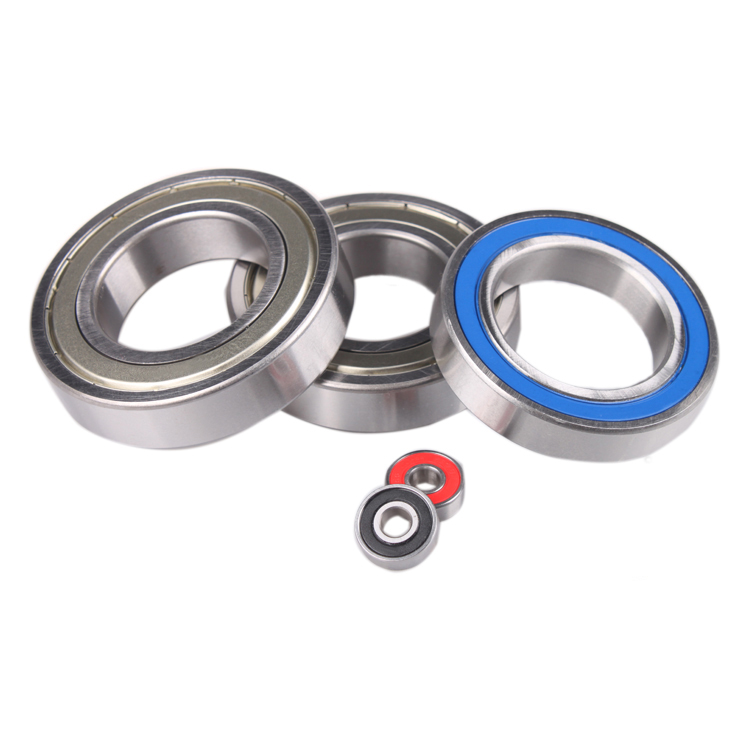
deep groove ball bearings (DGBB) are the workhorses of the industrial sector. Their design, characterized by deep raceway grooves that allow for high radial load capacity and moderate axial loads in both directions, makes them versatile enough for almost any application. In 2026, with the rise of Industry 4.0 and fully automated smart factories, the tolerance for failure has dropped to near zero.
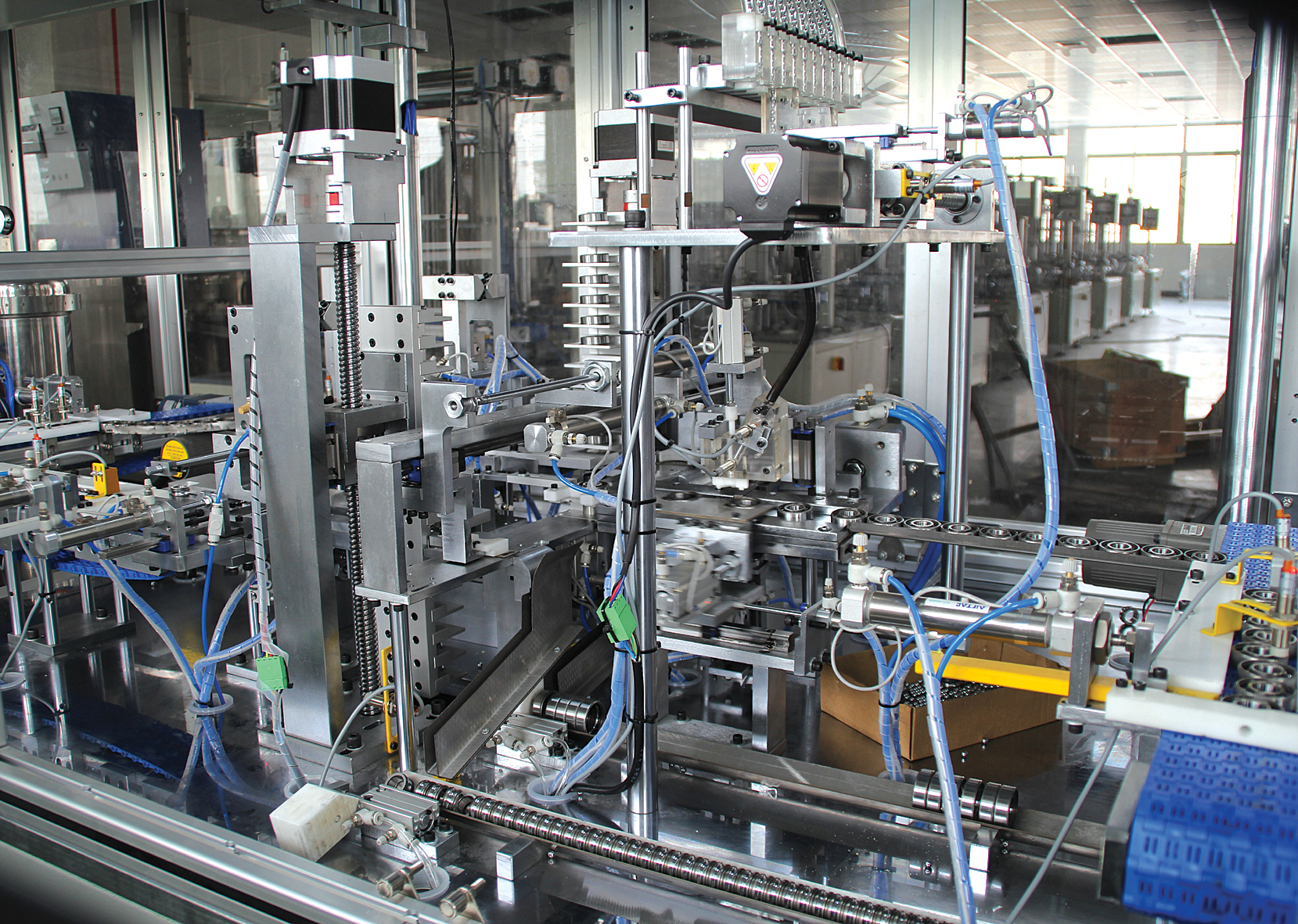
Modern manufacturing lines operate at speeds previously thought impossible. A single bearing failure in an automotive assembly line can cost thousands of dollars per minute in downtime. Consequently, the latest generation of DGBBs features advanced sealing technologies and specialized lubricants designed to last the lifetime of the machinery. Whether it is a high-speed spindle in a CNC machine or the wheels of an autonomous logistics robot, the bearing must withstand contamination, vibration, and thermal expansion without faltering.
The shift toward electrification in heavy machinery has also altered the landscape. Electric motors generate different electrical currents that can cause arcing damage inside standard bearings. To combat this, manufacturers now integrate ceramic hybrids and conductive grease channels directly into the bearing structure, ensuring longevity in high-voltage environments.
Table 1: Comparative Analysis of Industrial vs. Standard Bearings
To understand the leap in technology required for modern applications, consider the differences between standard commercial bearings and those engineered for high-performance industrial use in 2026.
| Feature |
Standard Commercial DGBB |
High-Performance Industrial DGBB (2026 Spec) |
| Material |
Chrome Steel (SAE 52100) |
Ceramic Hybrid (Si3N4 balls) or Vacuum Degassed Steel |
| Sealing |
Rubber Contact Seals (2RS) |
Triple-Labyrinth with Magnetic Fluid Exclusion |
| Lubrication |
Standard Mineral Grease |
Synthetic Perfluoropolyether (PFPE) or Solid Lubricant |
| Speed Rating (dmn) |
~300,000 |
>800,000 |
| Electrical Protection |
None (Prone to fluting) |
Insulated Outer Ring or Conductive Pathway |
| Expected Lifespan |
20,000 – 40,000 hours |
100,000+ hours (L10 Life) |
The Final Frontier: Surviving the Void
While factories present challenges of dust and speed, space presents the ultimate hostile environment. In orbit, bearings must operate in a hard vacuum where traditional lubricants would instantly evaporate (outgas), leaving metal-to-metal contact that leads to cold welding and catastrophic seizure. Furthermore, they must endure temperature swings ranging from -150°C in the shadow of a satellite to +120°C in direct sunlight, all while surviving the violent vibrations of a rocket launch.
Deep groove bearings used in space stations and satellite deployment mechanisms are not merely “stronger” versions of industrial parts; they are fundamentally different. They often utilize solid lubricants like molybdenum disulfide (MoS2) coatings or specialized cage designs that prevent ball-to-ball contact. In the context of the Artemis program and upcoming Mars missions scheduled for the late 2020s, the reliability of these components is a matter of life and death. A failed bearing in a solar array drive mechanism could leave a crew without power; a failure in a gyroscope could result in the loss of vehicle orientation.
Recent developments in 2025 and 2026 have seen the adoption of Environmental Product Declarations (EPDs) for bearing manufacturing, highlighting a global push for sustainability even in aerospace supply chains.
Table 2: Environmental and Operational Extremes
The following table illustrates the stark contrast in operating conditions that a single bearing technology family must address, showcasing the versatility of modern deep groove engineering.
| Operational Parameter |
Factory Floor Environment |
Low Earth Orbit (Space Station) |
| Atmosphere |
Air (potential dust, moisture, oil mist) |
Hard Vacuum (<10^-7 Torr) |
| Temperature Range |
-20°C to +80°C (Controlled) |
-150°C to +120°C (Uncontrolled/Solar) |
| Lubrication Challenge |
Contamination ingress, washout |
Outgassing, radiation degradation |
| Load Dynamics |
Constant high radial load, shock loads |
Micro-gravity, precise positioning loads |
| Maintenance Access |
Accessible for replacement |
Impossible (Must last mission duration) |
| Primary Failure Mode |
Fatigue, Contamination, Corrosion |
Cold Welding, Lubricant Depletion |
Bridging the Gap: The Technology Transfer
The synergy between terrestrial and aerospace engineering is a two-way street. Technologies developed for the rigors of space often trickle down to improve factory efficiency. For instance, the ceramic materials first perfected for satellite bearings are now standard in high-speed electric vehicle motors, reducing weight and increasing efficiency. Conversely, the mass-production techniques refined in automotive factories have lowered the cost of precision aerospace components, making space exploration more economically viable.
In 2026, the definition of
a “premium” deep groove bearing is one that can seamlessly transition between these worlds. Advanced simulation software allows engineers to model stress factors from both industrial vibration and launch G-forces simultaneously. This holistic approach ensures that whether a bearing is spinning a wind turbine blade in the North Sea or orienting a communication satellite above the equator, the margin of error is virtually non-existent.
Conclusion: The Silent Revolution
As we look toward the future of human expansion—both in our industrial capabilities on Earth and our presence in the cosmos—the deep groove ball bearing remains a constant. It is a testament to human ingenuity that a component so small can support such immense weight and responsibility.
From the rhythmic clatter of the assembly line to the silent drift of a space station, deep groove bearings make the difference between stagnation and progress. As manufacturing standards continue to rise and our reach extends further into the stars, these precision components will continue to evolve, ensuring that the wheels of industry and exploration never stop turning. In the grand machinery of the 21st century, they are truly the pivot points upon which our future rotates.
Frequently Asked Questions (FAQ)
Q: How do modern industrial bearings handle electrical damage from EV motors?
A: They incorporate ceramic hybrid balls or insulated outer rings to prevent electrical arcing and fluting, significantly extending lifespan in high-voltage environments.
Q: What is the expected lifespan of a 2026-spec high-performance industrial bearing?
A: Under optimal operating conditions, these bearings are engineered to achieve an L10 life of over 100,000 hours, drastically reducing maintenance downtime.
Q: Why is maintenance impossible for bearings in space stations?
A: Due to the hard vacuum and remote location, physical replacement is not feasible; therefore, space bearings must be designed to last the entire mission duration without failure.
Post time: Mar-25-2026